Last updated November 18, 2026





Free written scope consultation - allowances, timeline, and change-order rules on paper before a single trade is scheduled
Construction Emergency Preparedness Guide for Grand Prairie Homes
Many Grand Prairie homeowners prepare for emergencies by buying supplies, not by understanding their own house. After the February 2021 freeze, the longest repair backlogs in Grand Prairie weren’t mostly for burst pipes. They were for homeowners who didn’t know where their shut-offs were, turned a small pipe failure into a full drywall replacement, and then competed for contractors in a market with no available crews. Preparation isn’t a kit in a closet. It’s knowing your home’s structure, systems, and paperwork before anything goes wrong. This guide walks through the real emergencies this area produces – hail, flash flooding, tornadic wind, and rare deep freezes – and how to build a plan around them.
Quick Answer
Emergency preparedness for a Grand Prairie home means documenting your roof, exterior, and foundation before a storm, mapping every shut-off in the house, and having a vetted contractor relationship before you need one. The four emergencies that actually hit Grand Prairie homes are hail damage, flash-flood water intrusion, wind damage to roof decking, and burst pipes from a hard freeze. A written plan for those four, plus dated photos and a shut-off map, is the whole job.
Styles & brands we work with
- Kitchen remodeling
- Bathroom remodeling
- Home additions & ADU
- Roofing
- Windows & doors
- Driveway & pavers
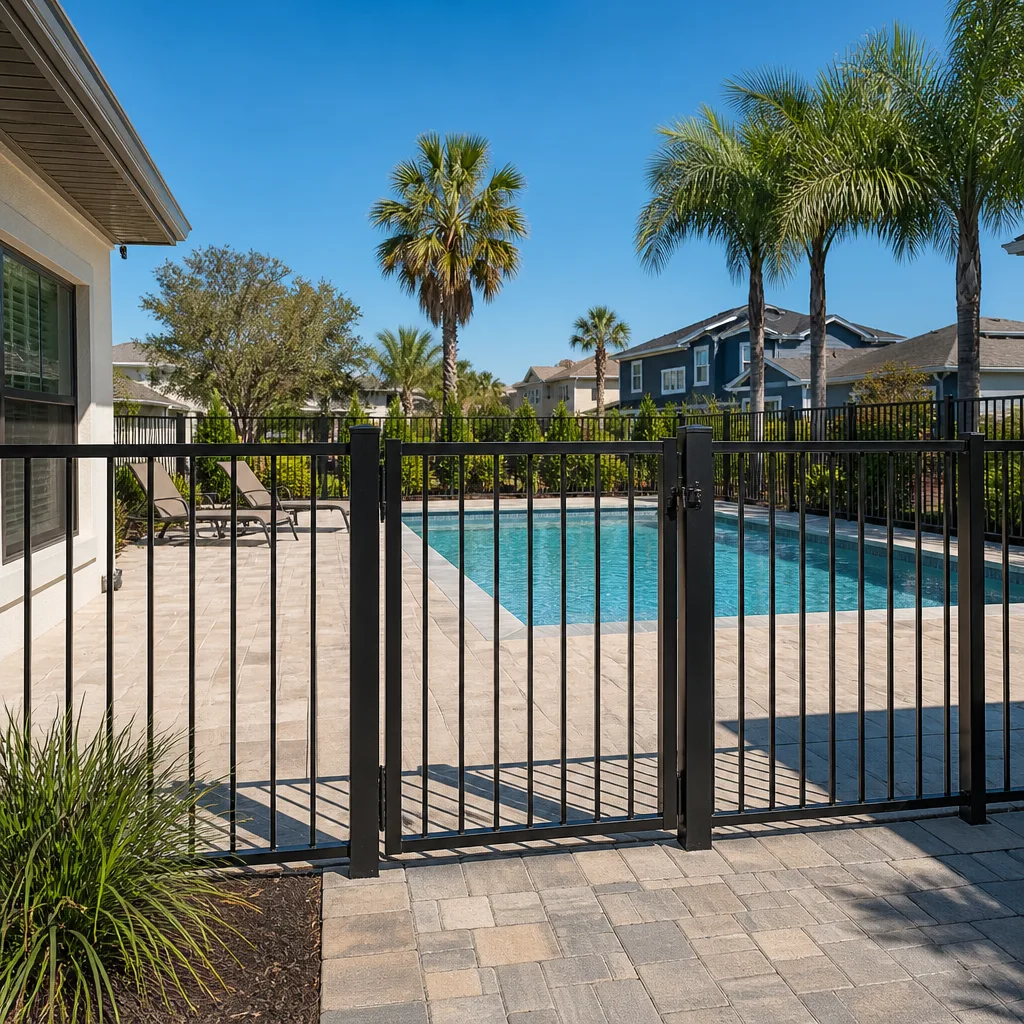
- Fence
Table of Contents
- Pre-Storm Documentation: Your Insurance Baseline
- The Home Systems Shut-Off Map Every Homeowner Needs
- Hail Damage Triage: The First 24 Hours
- Flash Flood and Water Intrusion Response
- Wind Damage to Roof Decking and Exterior
- Deep Freeze and Burst Pipe Planning
- How to Vet Emergency Contractors After a Disaster
- Why an Established Contractor Relationship Matters
Pre-Storm Documentation: Your Insurance Baseline
Insurance claims are won or lost on evidence, and the strongest evidence is a dated baseline taken before anything happens. A carrier’s adjuster will compare damage against what they can prove existed beforehand. If you can’t show the condition of your roof, siding, and foundation on a specific date, you’re arguing from memory against an adjuster’s opinion. Ten minutes with a phone, once a year, closes that gap.
What a documented baseline needs to capture:
- Roof: Wide shots of every slope from the ground, plus close-ups of ridge caps, flashing around chimneys and vents, and any existing granule loss or lifted shingles.
- Exterior walls and siding: Each elevation, with a fixed reference point (a fence corner, a utility meter) so a later photo proves the same wall.
- Foundation and grade: The visible slab edge or pier-and-beam perimeter, plus the soil line along each side of the house. This also helps when tracking drainage problems after heavy rain.
- Windows and doors: Condition of frames, seals, and screens, with model information visible where you can capture it.
- Driveway, fence, and hardscape: Cracks, settling, or lifted pavers that a storm could be blamed for later.
Timestamp every photo. Most phones embed the date automatically, but a screenshot of the batch alongside a newspaper or a texted date helps. Store the set in cloud backup, not just on the phone. Repeat the process after any major project – a new roof, a new fence, a repaved driveway – because that resets your baseline and gives you proof of the improvement’s condition on day one. A documented baseline is also the difference between a fast claim and a months-long dispute over what was already damaged when the storm hit.
The Home Systems Shut-Off Map Every Homeowner Needs
Every Grand Prairie homeowner should know the location and operation of their main water, gas, and electrical shut-offs before an emergency, and should have them labeled and reachable. In a burst pipe or a gas smell, seconds matter, and you won’t have time to search. Build the map once, teach everyone in the house, and keep a paper copy in a drawer the whole family knows.
How to build it, step by step:
- Find the main water shut-off. It’s usually where the water line enters the house – often near the foundation on an exterior wall, in a utility closet, or at the meter near the curb. Test it gently by turning it and turning it back. If it’s stiff, have it serviced before you need it.
- Locate the gas shut-off. The main gas valve is typically at the meter. It has a lever that turns a quarter turn to shut off. Don’t operate it as a test unless you’re prepared to have the gas company relight pilot lights. Just know where it is and which way it turns.
- Know your electrical panel. Label every breaker in plain language – “kitchen outlets,” “garage,” “water heater.” In a flooding situation, the main breaker is what you’d switch off, but only if you can reach the panel without standing in water. If the panel is wet or you’re standing in water, leave it alone and call a licensed electrician.
- Map the interior valves. Sinks, toilets, and the water heater each have their own supply valve. Label them, and check that the angle stops actually close rather than just spinning.
- Draw the map. Sketch the floor plan, mark each shut-off, add a photo of each, and tape a copy inside a kitchen cabinet and near the panel.
Safety note: gas and electrical systems are genuinely dangerous. If you smell gas, leave the house and call your gas utility from outside. Don’t flip breakers in a flooded area or open a panel that’s wet. A licensed electrician or plumber should handle anything beyond closing a labeled valve.
Appliances age, and so do shut-offs. A yearly walk-through with the map in hand catches the valve that’s frozen or the panel label that’s faded. That walk-through takes fifteen minutes.
Hail Damage Triage: The First 24 Hours
Hail damage in Grand Prairie is the most common insurance claim a homeowner will file, and the first 24 hours determine how smooth the claim goes. When hail hits, the roof takes it first, then gutters, downspouts, siding, and anything on the ground – vehicles, HVAC units, and window screens. What you do in the first day is about protecting the house and proving the damage, not fixing it.
What to do in the first 24 hours:
- Stay off the roof. Wet shingles and hail-slick surfaces are a fall risk, and walking a damaged roof can void a claim. Look from the ground with binoculars.
- Photograph everything. Ground-level shots of the roof from every angle, close-ups of dents in gutters and downspouts, cracks or chips in siding, and the condition of the HVAC condenser fins and screens.
- Note the date, time, and storm. Save the weather report or radar image from that day. Hail claims hinge on proving a specific event.
- Cover breaks temporarily. If a shingle is lifted or a vent boot is cracked, a tarp from the hardware store protects the deck until a roofer can inspect. Don’t climb up there yourself – ask a pro to do the temporary cover.
- Call your insurer early. Report the claim and ask what documentation they want. Keep a log of every call, adjuster name, and date.
- Get a professional roof inspection. Hail damage is often invisible from the ground – bruised mat, granule loss, and cracked shingles show up close. A roofer who installs GAF, CertainTeed, or Owens Corning systems can inspect and document what the adjuster needs to see.
Hail season in North Texas runs through spring and early summer, but storms can hit in any warm month. The best time to inspect the roof is before the season starts, when a small issue is still a small issue. On a roofing page, that’s the moment to talk through Construction Grand Prairie and what a full exterior scope actually covers.
Flash Flood and Water Intrusion Response
Flash flooding in Grand Prairie is a drainage story more than a river story. Heavy rain on flat, clay-heavy ground can overwhelm gutters, swales, and the grade around a foundation in minutes. Water that reaches the slab edge or seeps under a door finds drywall, insulation, and flooring fast. The first response is water control, not repair.
Immediate steps when water intrudes:
- Stop the source if you can. If the intrusion is from a failed supply line or a backed-up appliance, close the nearest shut-off. If it’s from outside, sandbags or a quick barrier at the threshold can slow it.
- Cut power to flooded areas at the panel – but only if you can reach it without standing in water. Otherwise, keep clear and call an electrician.
- Move furniture and rugs up and out. Water wicks into fabric and wood flooring within hours.
- Extract standing water with a wet/dry vac or towels, then start air movement. Fans and a dehumidifier, if you have one, reduce the chance of mold.
- Photograph before you clean. The waterline on drywall is evidence for your claim. Note the height at each wall.
- Take up saturated baseboards or flooring only if instructed by your insurer or a water-damage pro. Cutting the wrong thing can complicate the claim.
After the water is out, the real question is why it got in. Gutters that overflow because they’re undersized, downspouts dumping next to the foundation, a driveway crowned the wrong way, or a grade that slopes toward the house are all correctable. That’s the conversation a full-scope contractor has with you after the emergency – fixing the entry point, not just the soggy drywall. A properly built driveway & pavers system, for example, can be graded to shed water away from the slab instead of toward it.
Wind Damage to Roof Decking and Exterior
Tornadic and straight-line wind does a specific kind of damage in Grand Prairie: it lifts shingles, peels fascia, racks fences, and sometimes exposes the roof decking itself. The danger is what happens after – once decking is exposed, the next rain soaks the attic, insulation, and ceilings. That’s when a wind event becomes a water event, and the repair cost doubles.
Red flags that mean a professional inspection today, not next week:
- Shingles or ridge caps visibly lifted, curled, or missing.
- Granules in the gutters or piled at downspout outlets after a storm.
- Daylight visible through the roof deck from inside the attic.
- Water staining on attic sheathing or ceiling drywall that wasn’t there before.
- Fence panels leaning, posts lifted, or pickets missing (most commercial-grade fence systems, including Master Halco and Ameristar lines, hold up better than builder-grade, but nothing is wind-proof).
- Siding panels loose or popped, especially at the corners.
Your job in the first day is containment and documentation. Cover exposed decking with a tarp if a roofer can’t get there immediately. Photograph the damage from the ground. Call your insurer and get the claim moving. Then get a roofer who installs full systems – decking, underlayment, flashing, and shingles as one assembly – because a wind claim repaired shingle by shingle tends to fail again at the next storm.
Windows and doors are part of the same wind story. A failed seal lets water past the frame, and a broken window during a wind event is a safety issue. Impact-rated and energy-efficient product lines do better in high-wind events, and any window replacement should be done by someone who understands the flashing and sealing detail, not just the glass.
Deep Freeze and Burst Pipe Planning
Deep freezes are rare in Grand Prairie, which is exactly why they cause so much damage. The February 2021 event exposed the gap: homes here aren’t built with the freeze-hardening that northern climates expect, and when the temperature drops hard, pipes in attics, exterior walls, and garages are the first to fail. The repair backlog that followed wasn’t only about broken pipes – it was about homeowners who didn’t know how to stop the water, and then couldn’t find a plumber because every crew in the region was booked.
Before a freeze warning:
- Know your main water shut-off and test it. A shut-off you can’t turn is useless. If it’s stiff, have it serviced now.
- Insulate exposed pipes in the attic, garage, and along exterior walls. Foam sleeves from the hardware store are cheap and effective.
- Disconnect hoses and cover exterior faucets.
- Find the water heater shut-off and label it.
- Have a plan for a pipe failure: shut-off location, a plumber’s number, and a way to move valuables out of the affected room.
When a freeze warning is issued, the common guidance is to drip a few faucets on exterior walls, open cabinet doors under sinks, and keep the heat on. If you’ll be away, know who can check the house and shut the water off. When a pipe does burst, shut off the main immediately, then call a plumber – and photograph the water damage before cleanup so the claim is documented. Emergency preparedness for Grand Prairie homes has to include the freeze scenario even though it feels unlikely most years, because the one year it happens is the year everyone needs help at once.
How to Vet Emergency Contractors After a Disaster
After a major storm in Grand Prairie, the market floods with out-of-state crews, unlicensed door-knockers, and “storm chasers” who collect deposits and disappear. The homeowner’s best defense is a simple vetting checklist applied before signing anything. A real professional expects these questions and answers them without flinching.
The checklist:
- Verify the license and insurance. In Texas, certain trades (electrical, plumbing, HVAC) require state licensing; roofing and general contracting have local requirements. Ask for the license number and proof of general liability and workers’ comp insurance. Call the insurer to confirm the policy is active.
- Get it in writing. A written scope, a line-item estimate, and a contract that states what’s included and what isn’t. No verbal promises.
- Check the local address and presence. A legitimate contractor has a verifiable local business identity. A crew that arrived yesterday with out-of-state plates and no local references is a warning sign.
- Never pay the full amount up front. A deposit is normal; paying the entire job before work starts is not.
- Ask who does the work. Whether the contractor’s own team or a subcontractor performs the job matters for accountability.
- Get references from nearby jobs and, where possible, look at completed work in person.
- Don’t let anyone rush you. “Today only” pricing is a pressure tactic, not a deal.
The stronger move is to have a vetted contractor relationship before the storm, so you’re not vetting anyone in a crisis. That’s what the next section is about.
Why an Established Contractor Relationship Matters
The worst time to find a contractor is when everyone in Grand Prairie needs one. After a major hailstorm or freeze, demand spikes, schedules stretch, and the crews with the best reputations are booked first. Homeowners with an established relationship get on the schedule sooner, get honest prioritization, and don’t have to start the vetting process from zero under pressure.
A full-scope contractor relationship changes the emergency conversation in a few specific ways:
- Someone already knows your house. If the contractor handled your roof, they know its age and condition. If they built your fence or driveway, they know the drainage. That history shortens the diagnosis.
- One contract covers multiple systems. A wind event can damage the roof, siding, windows, and fence at once. A contractor who handles all of those avoids the coordination problem of three separate trades and three separate schedules.
- You’re not starting from scratch. The paperwork, inspection, and estimate process is familiar, so the claim moves faster.
- The materials are specified, not improvised. A contractor who regularly installs GAF, CertainTeed, or Owens Corning roofing, or who sources fencing from Master Halco and Ameristar, is installing systems they know – not whatever a storm-chaser can get at a discount.
A full-scope partner covers the roof and the driveway and the kitchen and the fence, which means a single point of accountability when a storm hits several of them at once. That’s the practical value of a relationship, not a sales pitch. When a storm damages multiple parts of the house, one contractor, one timeline, and one point of contact is a calmer way to rebuild than juggling four trades. The same relationship extends to planned projects – a fence installation done right the first time is a wind-resilience decision, and a home additions & ADU project is the moment to harden the structure and document the new baseline.
Common Mistakes to Avoid
- Not knowing where the shut-offs are. In a burst pipe or gas leak, the first minute decides the damage. A homeowner who has to search for the valve turns a small failure into a large repair.
- Climbing on the roof after a storm. Wet, hail-damaged shingles are a serious fall risk, and walking the roof can void the claim. Inspect from the ground or call a pro.
- Skipping the pre-storm photos. Without a dated baseline, you’re arguing with an adjuster from memory. The claim is only as strong as the evidence.
- Hiring the first door-knocker after a hail event. Storm chasers flood Grand Prairie after every major event. Verify license, insurance, and local presence before signing.
- Paying the full job up front. Deposits are normal; paying 100% before work starts is how homeowners lose money to crews that disappear.
- Cleaning up water damage before photographing it. The waterline on the wall is evidence. Photograph first, then extract water.
- Waiting for the freeze to test the shut-off. A valve that hasn’t been turned in years may be frozen open. Test it in mild weather, not during a freeze warning.
See the difference
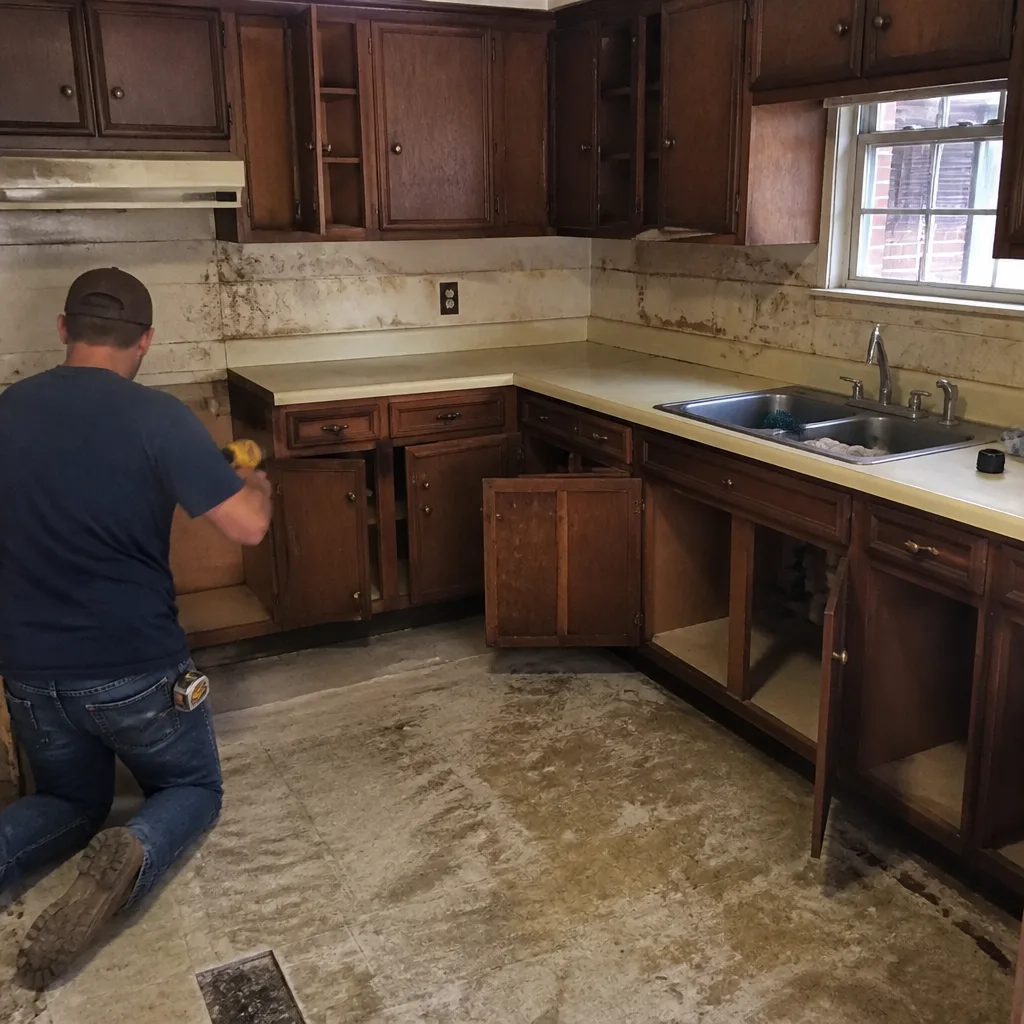 Before
 After
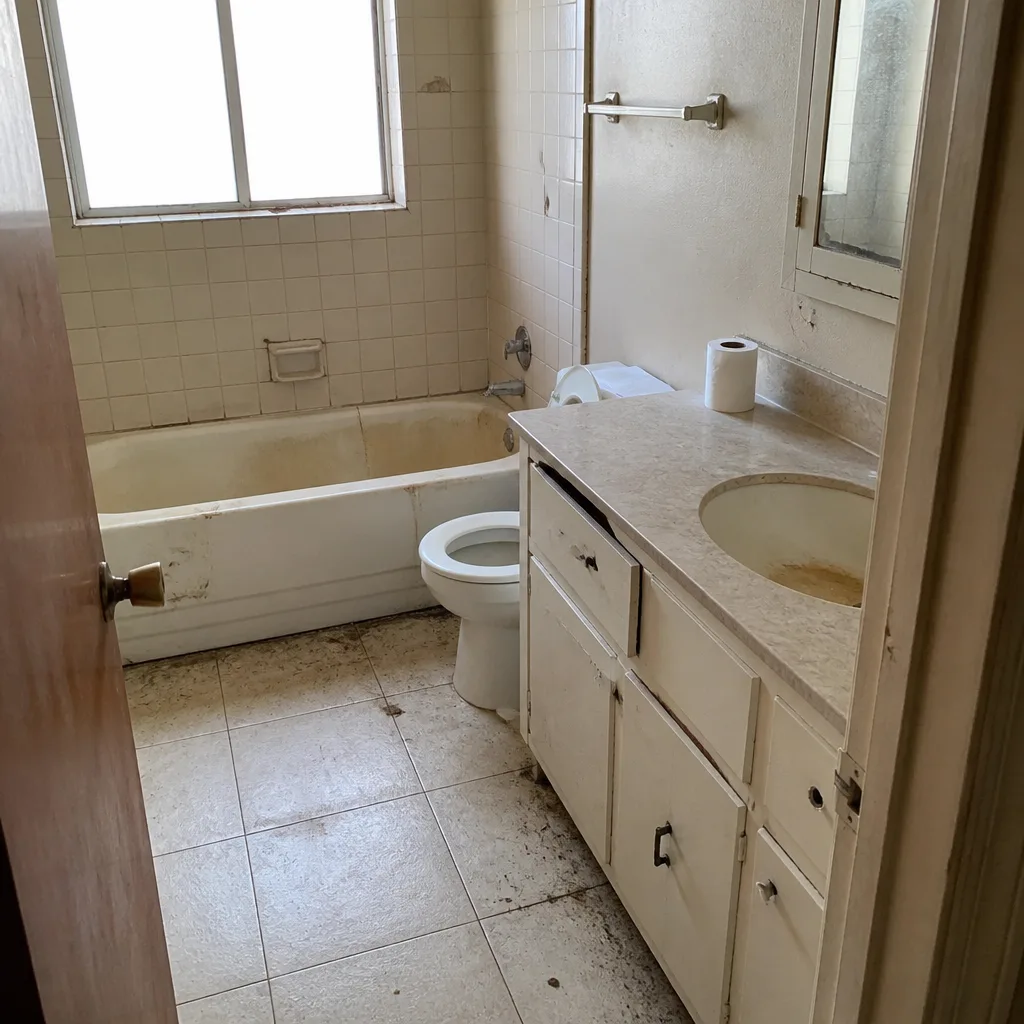 Before
 After
 Before
 After
When to Call a Professional
Call a professional for anything involving the roof, electrical panel, gas line, or structural damage – these are genuinely dangerous and not DIY territory. Specifically: any hail or wind damage to the roof deck, water intrusion that reaches drywall or insulation, a fence down across a driveway or walkway, a gas smell, a flooded electrical panel, or a burst pipe you can’t shut off. For those, a trained pro handles the diagnosis and the repair safely. If you’re unsure whether a repair is urgent, err on the side of an inspection. Construction Grand Prairie offers free estimates in Grand Prairie – call (844) 771-4071.
Frequently Asked Questions

Hail damage, flash-flood water intrusion, wind damage to roof decking, and burst pipes from rare deep freezes are the four that hit Grand Prairie homes most. Tornadic wind and heavy rain are the seasonal risks, and the freeze scenario is the one that often catches homeowners off guard because it’s infrequent. Preparing for all four in advance is the practical plan. Call (844) 771-4071 for a free estimate on any repair.
It’s usually where the water line enters the house – often near the foundation on an exterior wall, in a utility closet, or at the meter near the curb. If you can’t find it, a plumber can locate and label it. Test it in mild weather so you know it works before a freeze or a burst pipe. Call (844) 771-4071 if you need help with the documentation or the repair that follows.
No. Wet, hail-damaged shingles are a serious fall risk, and walking the roof can void an insurance claim. Inspect from the ground with binoculars and call a roofer for a professional inspection. If you need a roofer in Grand Prairie, call (844) 771-4071 – estimates are free.
Verify the license and insurance, get a written line-item estimate and contract, confirm a local business identity, and never pay the full job up front. Ask who performs the work and request references from nearby jobs. Storm chasers are common after major hail events in Grand Prairie. For a vetted local estimate, call (844) 771-4071.
Pricing is set per job by a written estimate, and the written estimate sets the final price. We don’t quote premiums or surcharges for urgent work – the estimate you receive is the price for the job. Call (844) 771-4071 for a free estimate and a clear written quote.
Know and test your main water shut-off, insulate exposed pipes in the attic and garage, disconnect hoses and cover exterior faucets, and have a plumber’s number ready. On freeze-warning days, drip faucets on exterior walls and open cabinet doors under sinks. If a pipe bursts, shut off the main water immediately and photograph the water damage before cleanup. Call (844) 771-4071 for an estimate on the repair.
The Bottom Line
Emergency preparedness for Grand Prairie homes is four practical habits: document the house before a storm so the claim has evidence, map and test every shut-off so a small failure stays small, understand what to do in the first 24 hours of hail, flood, wind, or freeze, and vet contractors before you need one. The homeowners who come through a disaster in good shape aren’t the ones with the most supplies – they’re the ones who knew their house and had a relationship in place. Build the baseline, label the valves, and keep a vetted contractor’s number on the fridge. When the storm hits, the plan is already done.
Call (844) 771-4071 for a free estimate. We answer 24/7. Fast dispatch from 7am to 7pm, Sunday through Friday.
Written by the team at Construction Grand Prairie.