Last updated November 18, 2026
Free written scope consultation - allowances, timeline, and change-order rules on paper before a single trade is scheduled
Construction Cost Breakdown: The Grand Prairie Homeowner’s Reference for 2026
Most online cost guides are built on national averages that say nothing about what a job actually bids for in Grand Prairie. A kitchen remodel quoted at $27,000 nationally usually lands closer to $38,000 here once current DFW tile labor rates, cabinet lead times from suppliers, and permit costs are factored in. The gap isn’t inflation for its own sake. It’s the difference between a broad national number and a real bid from a local trade market. This reference breaks down per-project cost ranges for the work Grand Prairie homeowners request most, explains where money hides in a project, and shows how labor supply and material pricing are shaping 2026 bids. Read it before you collect estimates.
Quick Answer
In Grand Prairie, a mid-grade kitchen remodel typically runs $38,000 to $65,000, a full bathroom remodel $12,000 to $28,000, a roof replacement $9,500 to $22,000 depending on pitch and material tier, and a paver driveway $8,000 to $20,000. Room additions and ADUs run from roughly $90,000 for a modest addition into the $150,000+ range for larger or prefab-platform builds. Every figure here is an estimate; the written estimate sets the final price.
Styles & brands we work with
- Kitchen remodeling
- Bathroom remodeling
- Home additions & ADU
- Roofing
- Windows & doors
- Driveway & pavers
- Fence
Table of Contents
- Why National Cost Averages Miss the Grand Prairie Market
- Project-by-Project Cost Ranges for 2026
- How the DFW Labor Shortage Is Shaping 2026 Bids
- The Hidden Costs Homeowners Underestimate
- Full-Scope Contractor vs. Assembling Individual Trades
- What Value Engineering Actually Means on a Residential Project
- How a Project Moves From Bid to Final Walkthrough
- Common Mistakes to Avoid
Why National Cost Averages Miss the Grand Prairie Market
Grand Prairie sits in one of the fastest-moving construction labor markets in Texas. Building activity across the Metroplex pulls tile setters, roofers, and finish carpenters toward whichever job site pays best that month, and bids reflect that competition for crews. A national average can’t see it. Neither can a blog post written for a market where labor is cheap and material lead times are short.
Material pricing has its own volatility. Contractors across North Texas have spent the last several years absorbing sharp swings in lumber, shingle, and cabinet pricing, and 2026 pricing is still adjusting to those swings. Some suppliers have stabilized. Others are quoting lead times in weeks rather than days, and a contractor who quotes a cabinet package has to price in that uncertainty.
Grand Prairie’s housing stock also shapes cost. The city stretches from established neighborhoods near downtown out to newer subdivisions, and jobs differ by age and construction type. An older home often carries surprises behind the drywall. A newer build may need different structural work for an addition. Neither gets captured by a generic regional average.
Local climate matters too. Grand Prairie summers put roofs, exterior wood, and hardscape under heavy UV and heat load, which affects which shingle lines, sealers, and paver systems actually hold up. A contractor building for this climate specs materials that can take the summer. That’s part of the cost, and it’s part of the value. For a closer look at the full range of work a local contractor handles, see Construction Grand Prairie.
Project-by-Project Cost Ranges for 2026
These ranges reflect typical bids for mid-grade to upper-mid scope in the Grand Prairie market. They are estimates, not quotes. Material tier moves the number more than anything else, and the written estimate you receive after an on-site evaluation is the number that counts.
Roofing
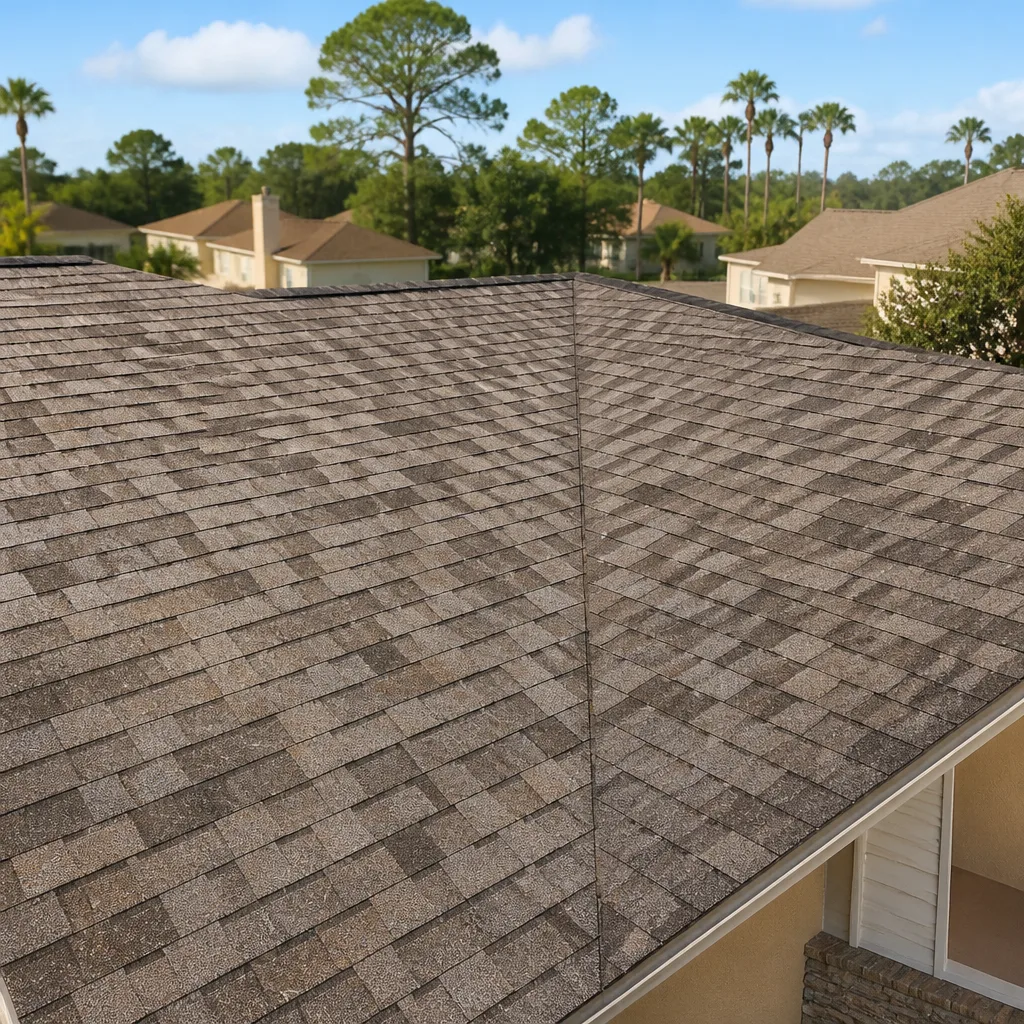
A full roof replacement in Grand Prairie typically runs $9,500 to $22,000. A standard architectural asphalt shingle system from a GAF, CertainTeed, or Owens Corning line lands toward the lower end on a simple ranch roof; steeper pitches, multiple planes, and upgraded shingle lines push it higher. Class 4 impact-rated systems add cost but may factor into insurance conversations, so ask your insurer. Decking replacement, flashing, and ridge ventilation add line items.
Driveway & Pavers
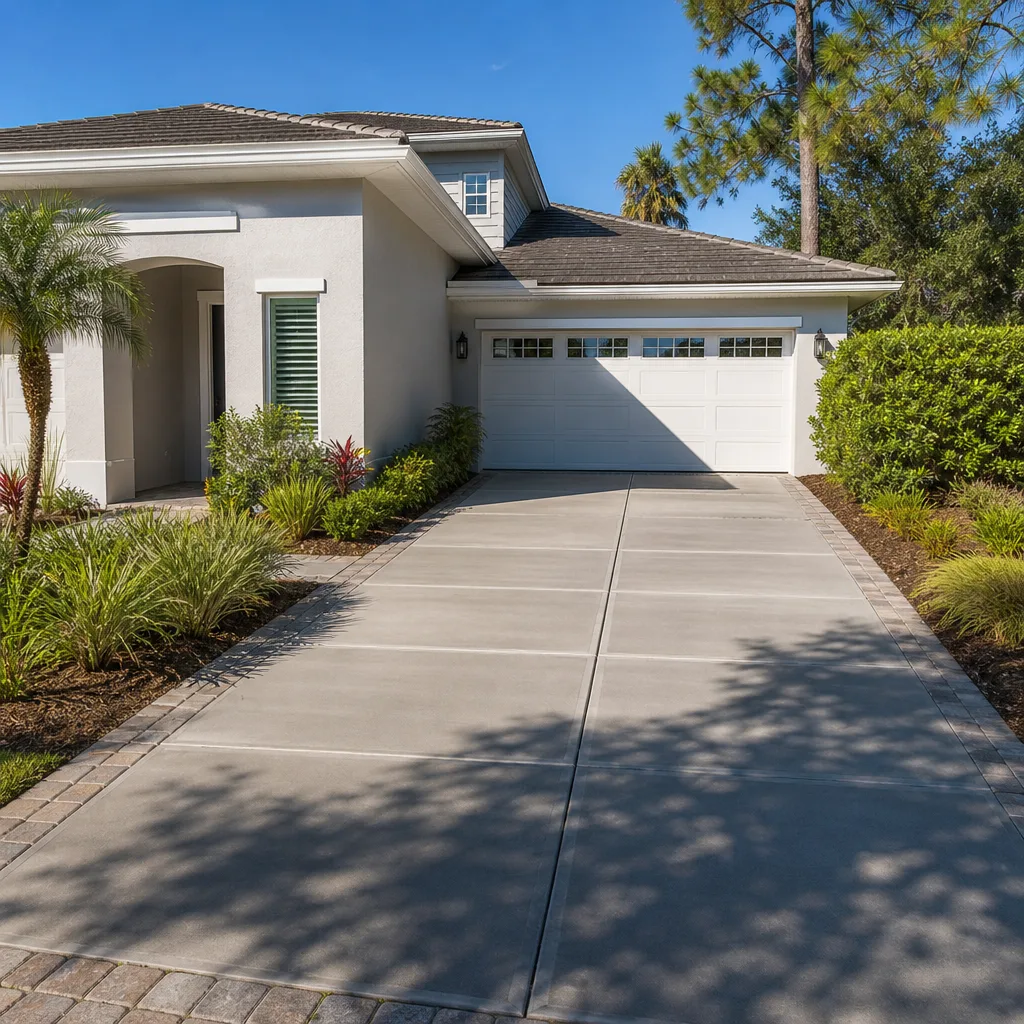
Paver driveways typically run $8,000 to $20,000. Base preparation and drainage are the most underestimated pieces; a driveway poured over thin base fails within a few summers in Texas heat. Engineered paver systems like Belgard, Unilock, and Techo-Bloc hold load ratings and color stability better than uncertified product, which is why the material line is worth reading closely. See the full scope on the driveway & pavers page.
Kitchen Remodeling
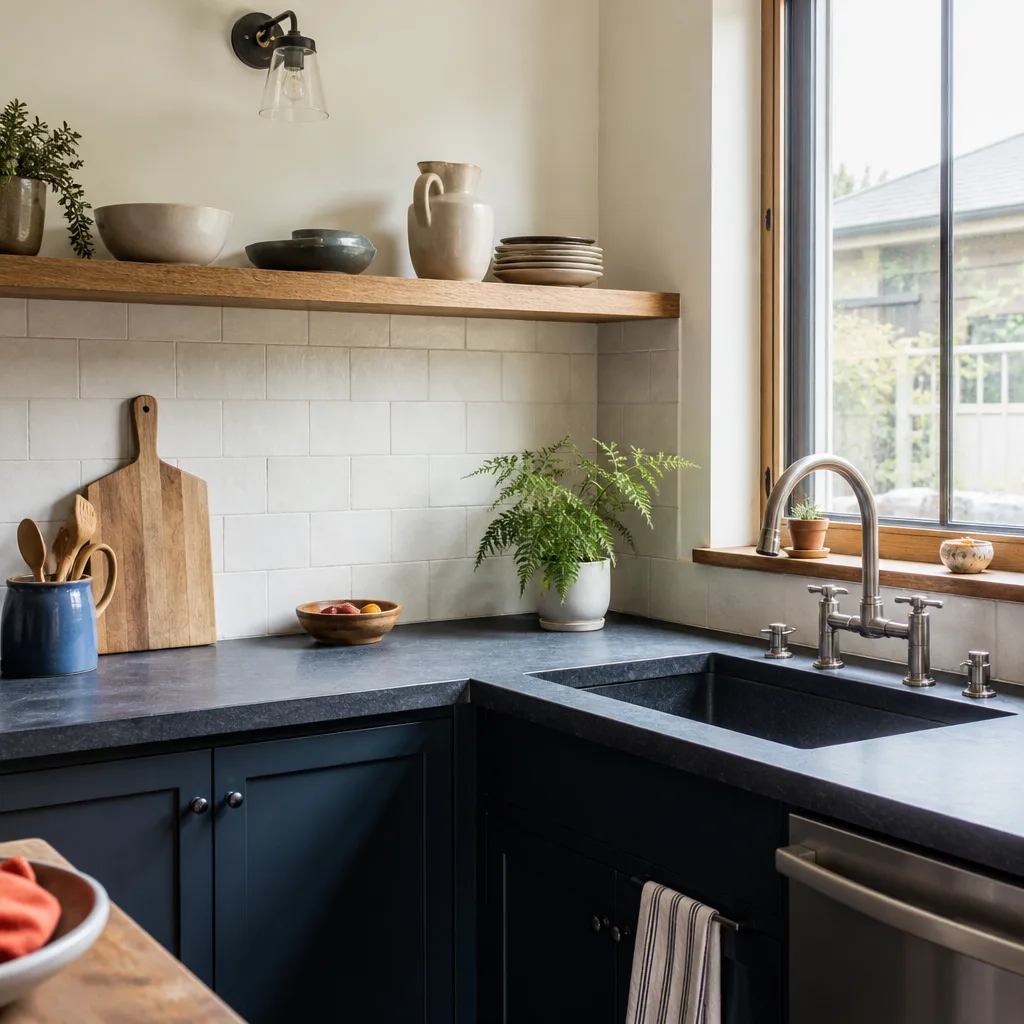
A mid-grade kitchen remodel in Grand Prairie typically lands $38,000 to $65,000. Cabinet line is the biggest swing: KraftMaid and Wellborn ranges span a wide spread, and a larger kitchen in layout change territory adds framing and utility relocation. Countertops from Cambria, Silestone, or Caesarstone range from a few thousand for a modest run up past $10,000 for large islands and full-height backsplashes. Appliances, lighting, and flooring add from there.
Bathroom Remodeling
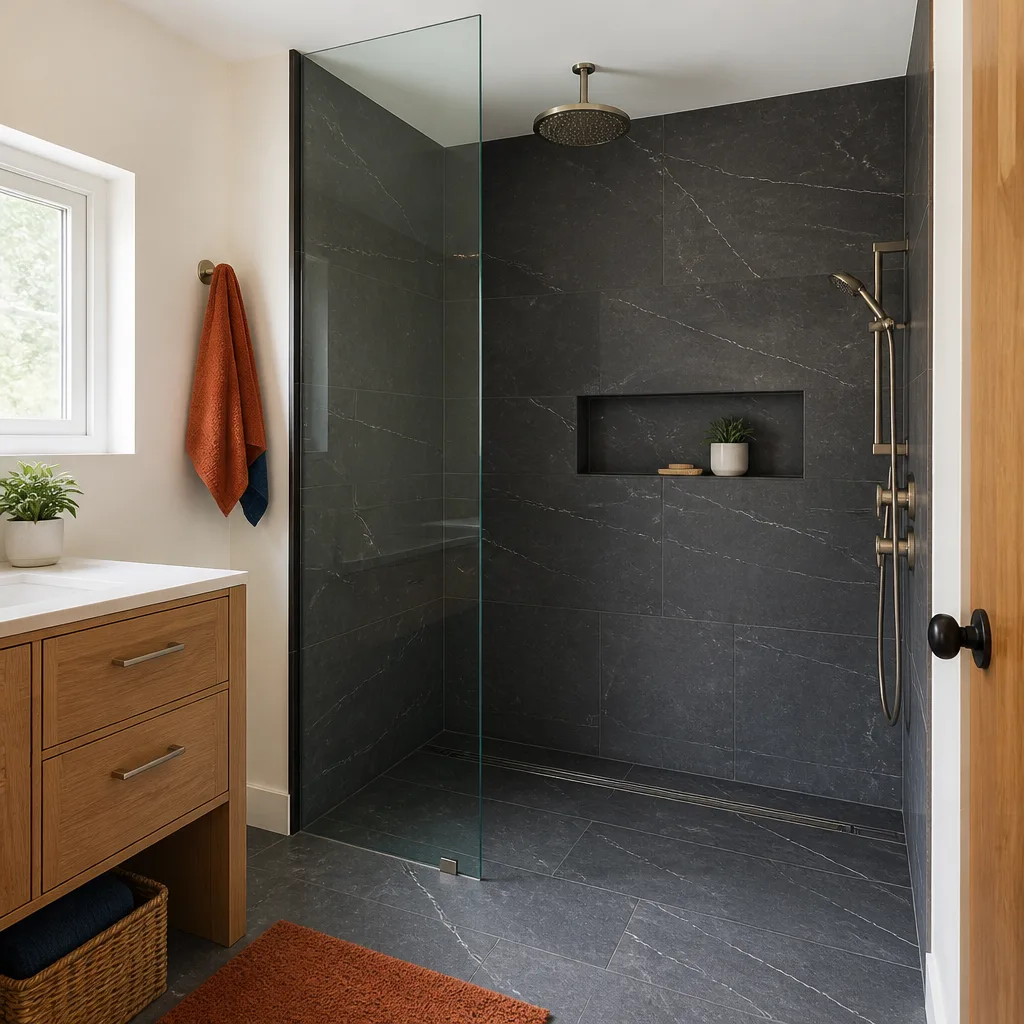
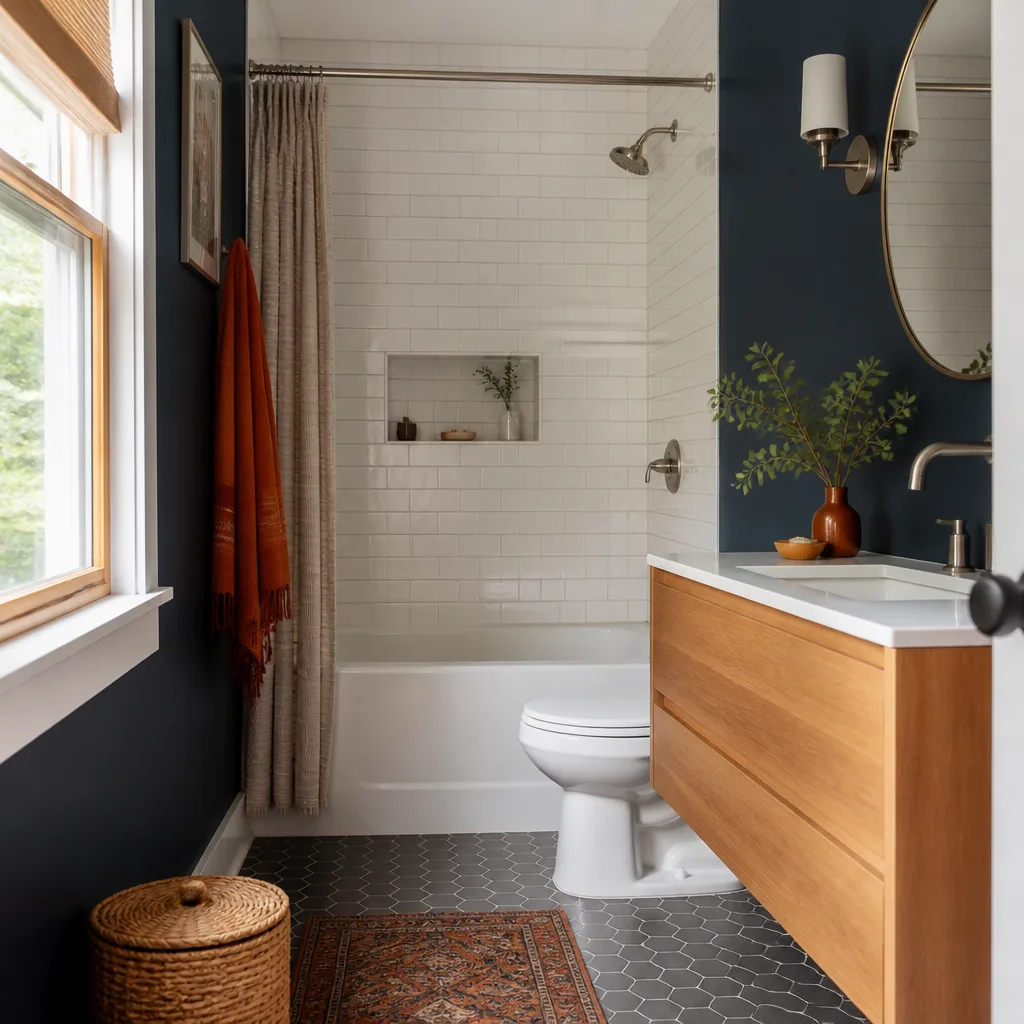
A full bathroom remodel typically runs $12,000 to $28,000. Fixtures from Kohler, Moen, or Toto sit anywhere from the value line to the high end. Tile work, waterproofing, and glass are the three areas where price varies most, and where cutting corners shows up fastest. A primary bath with a wet room and custom tile sits at the top of the range; a hall bath sits at the bottom.
Home Additions & ADUs
Traditional stick-built additions typically start around $90,000 for a modest bedroom or office addition and climb past $150,000 for larger scopes. Prefab and modular ADU platforms like Abodu, Cover, and Dvele can shorten the build timeline and give a homeowner a fixed material package. Long-term rental income, a home office, and multigenerational living are the three most common reasons Grand Prairie homeowners ask about ADUs. Explore the full scope on the home additions & ADU page.
Windows & Doors
Window and exterior door replacement varies widely by count and product tier. Thermally efficient lines from PGT and CGI sit higher than entry-tier products, and installation quality on a Grand Prairie home with mature landscaping often matters as much as the unit itself. Therma-Tru door systems are a common mid-to-upper pick for front entries.
Fencing
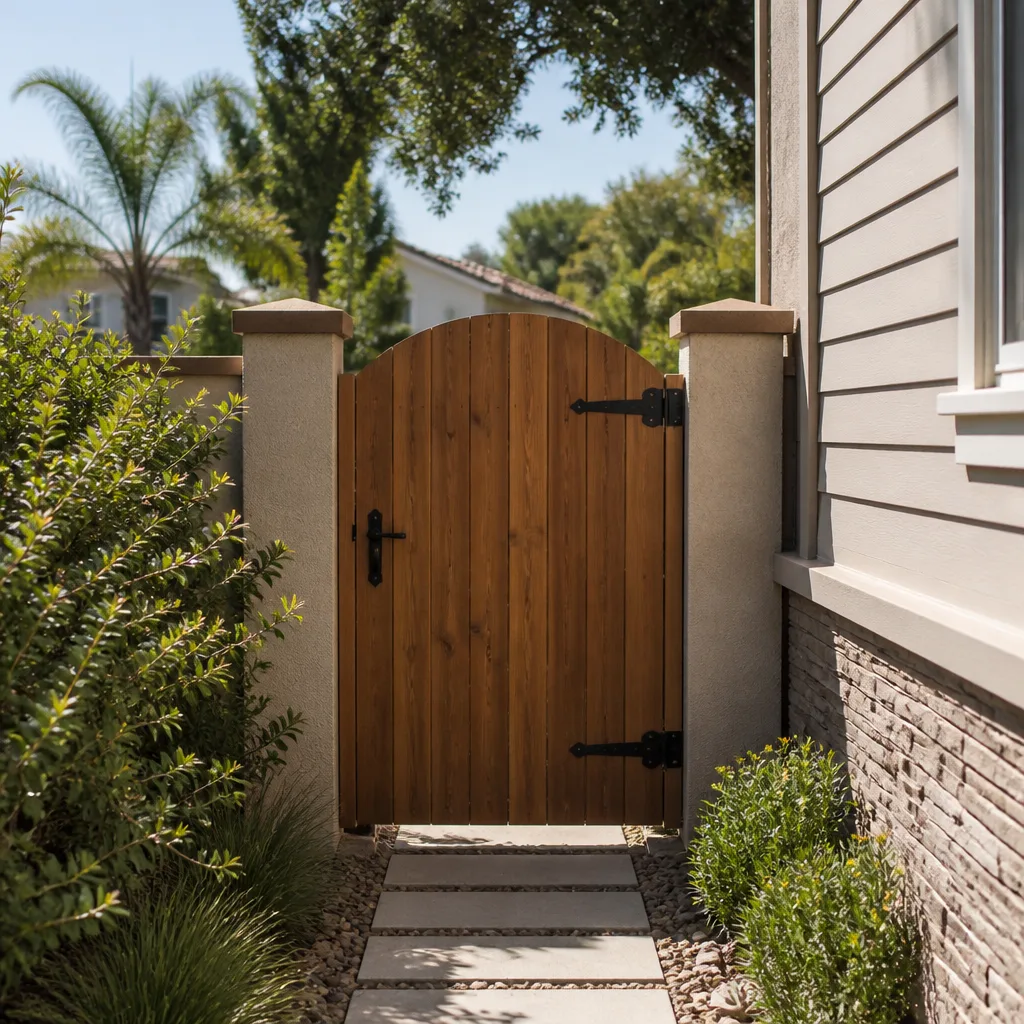
Fence installation runs roughly $30 to $70 per linear foot for most residential work, with commercial-grade systems from Master Halco, Ameristar, and Barrette at the higher end of that range and basic wood at the lower. See the fence installation page for full scope and material options.
How the DFW Labor Shortage Is Shaping 2026 Bids
The two trades under the most pressure in DFW right now are roofing and tile. Both are skilled, physical, and hard to staff quickly, and both are in demand across the Metroplex. What that does to a bid is straightforward: labor is a bigger line item than it was a few years ago, and lead times for scheduling a crew stretch accordingly.
For a Grand Prairie homeowner, that means a few practical things:
- Book earlier than you think you need to. A tile-heavy bathroom renovation needs the crew reserved, not just the material ordered.
- Expect firmer labor prices and less negotiation room. A bid built on a crew that is already committed is honest about the labor number.
- Ask about schedule risk. A contractor who can’t tell you roughly when the crew lands is likely juggling too many jobs.
- Watch cabinet lead times. Cabinet suppliers have stabilized on some lines and stretched on others. A bid built on a realistic cabinet delivery date protects the whole project timeline.
None of this is a reason to delay a project you’ve planned. It’s a reason to plan the schedule with the labor reality in view rather than around a generic number.
The Hidden Costs Homeowners Underestimate
The line items most homeowners miss are the ones that don’t appear in a magazine renovation feature. They’re real, they add up, and a contractor who includes them from the start is showing you a more honest bid.
- Permit fees. Most structural work, additions, and major utility changes require a permit. Fees vary by scope, and pulling a permit means inspection scheduling that has to fit the project timeline. Ask your contractor specifically who is pulling the permit and whether inspection coordination is included.
- Dumpster pulls. A remodel generates debris faster than most homeowners expect. One dumpster is often not enough on a kitchen tear-out with tile removal. Multiple pulls add real money.
- Haul-away of old materials. Removal of old fencing, roofing, or flooring is not free labor. Confirm whether haul-away is included in the bid or excluded as an optional line.
- Material overage buffers. Tile and flooring always have breakage and cut waste. A responsible bid includes a buffer so the project doesn’t get paused waiting on an extra box of a discontinued tile.
- Structural surprises. Older Grand Prairie homes sometimes carry hidden framing or plumbing issues that only surface after demo. A fair bid includes a process for change orders, not a silent markup later.
- Final touch-up and paint. Punch-list work and paint touch-up after trade sequencing is a real cost. It gets underestimated because it comes last.
When a bid is dramatically lower than others you’ve received, look for which of these categories is missing. It’s usually at least two of them. Ask directly, before you sign.
Full-Scope Contractor vs. Assembling Individual Trades
One of the biggest mistakes in a project is treating each trade as a separate hire. It saves on paper and costs in coordination. When a homeowner assembles a roofer, a tile setter, a cabinet installer, and a painter independently, they become the general contractor. That means scheduling crews, managing material deliveries, resolving trade conflicts, holding the warranty line, and absorbing any delay that comes out of sequencing mistakes.
A full-scope contractor handles that coordination. The trade-off is a slightly higher overall bid, offset by protected timelines, single-point accountability, and a warranty that covers the whole job rather than a piece of it. For a kitchen or bathroom remodel where tile, cabinets, plumbing, and electrical all touch each other, that coordination is essential. For a roof replacement or a driveway, trade overlap matters less, though brand access and installation quality still do.
The other factor is material access. A full-scope contractor carries and installs from a brand roster across categories: GAF, CertainTeed, and Owens Corning in roofing; KraftMaid and Wellborn in cabinetry; Cambria, Silestone, and Caesarstone in surfaces; Kohler, Moen, and Toto in fixtures; PGT, CGI, and Therma-Tru in windows and doors; Belgard, Unilock, and Techo-Bloc in hardscape; Master Halco, Ameristar, and Jerith in fencing. A homeowner assembling individual trades would have to source that material panel separately and hold the install warranty on each product line themselves.
What Value Engineering Actually Means on a Residential Project
Value engineering is a construction term for redesigning scope to hold the budget. It has a good meaning and a bad meaning. The good one is deliberate substitution: choosing where to spend and where to hold. The bad one is cutting the cost that protects the project from failling.
Where you can substitute without compromising durability
- Tile selection in a non-wet area or secondary bath.
- Cabinet hardware and pulls.
- Interior door style within the same product class.
- Paint finish rather than paint brand in most rooms.
- Light fixture selection where the electrical rough-in is already spec’d.
- Countertop edge profile rather than slab material on a modest kitchen.
Where cheap materials always cost more
- Roof underlayment and flashing. Everything above depends on it.
- Paver base preparation. A paved driveway is mostly base.
- Bathroom waterproofing membrane. A failed shower pan means a tear-out.
- Exterior door seals and window installation detail on a Grand Prairie home exposed to summer heat and storms.
- Fence post setting. A cheaper post install fails in wind faster than any panel choice.
When a contractor proposes cuts, the question worth asking is: what fails first if this line gets cheaper? If the answer is “nothing structural,” it’s a reasonable place to save. If the answer is “the shower,” don’t make the cut.
How a Project Moves From Bid to Final Walkthrough
Every project looks different, but the sequence that protects a homeowner’s investment is consistent. Here’s how a well-run job typically moves:
- Scope conversation. A walkthrough of the space and a conversation about what the homeowner actually wants. This is where value engineering starts, not at the end.
- Written estimate. Line-item pricing, material tiers, scope inclusions, and exclusions. The written estimate sets the final price; if a number isn’t on it, ask why.
- Permits and scheduling. Permits pulled where scope requires, inspections scheduled, crews and materials aligned to one timeline.
- Demo and rough-in. The tear-out phase. This is where hidden conditions can surface. A contractor who plans for them is worth the bid.
- Install sequence. Trade sequencing: structural and mechanical first, then finishes, then final trim.
- Inspection and punch list. Inspections passed where required, punch-list work closed, final walkthrough signed off.
A project that runs long usually runs long at step three or five. Ask a contractor how they protect the schedule at both.
Common Mistakes to Avoid
- Comparing bid numbers without comparing scope. A $5,000 lower bid on the same project almost always means a line item was dropped. Read the exclusions page before you read the price.
- Choosing material before the structural plan. Cabinet selections get made before a fair amount of plumbing and electrical decisions have been made, and then get re-picked when the layout has to change. Do the layout first, then pick brands.
- Underestimating permit timelines. Even when a permit isn’t strictly necessary for a small job, coordinating inspection schedules is a real timeline factor. A builder who doesn’t mention permits at all in a project that needs one is a warning sign.
- Treating tile or flooring as a cost-only decision. In a Grand Prairie bathroom, a tile choice that doesn’t hold up in a wet area will cost more than the original upgrade. Buy for the climate, not just the showroom.
- Skipping the material buffer. A project that pauses because of a discontinued tile is a project that runs weeks longer. Confirm the bid includes a realistic overage on finish materials.
- Hiring trades independently to save the coordination fee. If you have a full-time job and no construction background, the coordination burden lands on you. There’s a reason that cost exists.
- Signing a bid without a written change-order process. Surprises behind the drywall happen. What protects you is a documented process for handling them, not a promise there won’t be any.
See the difference
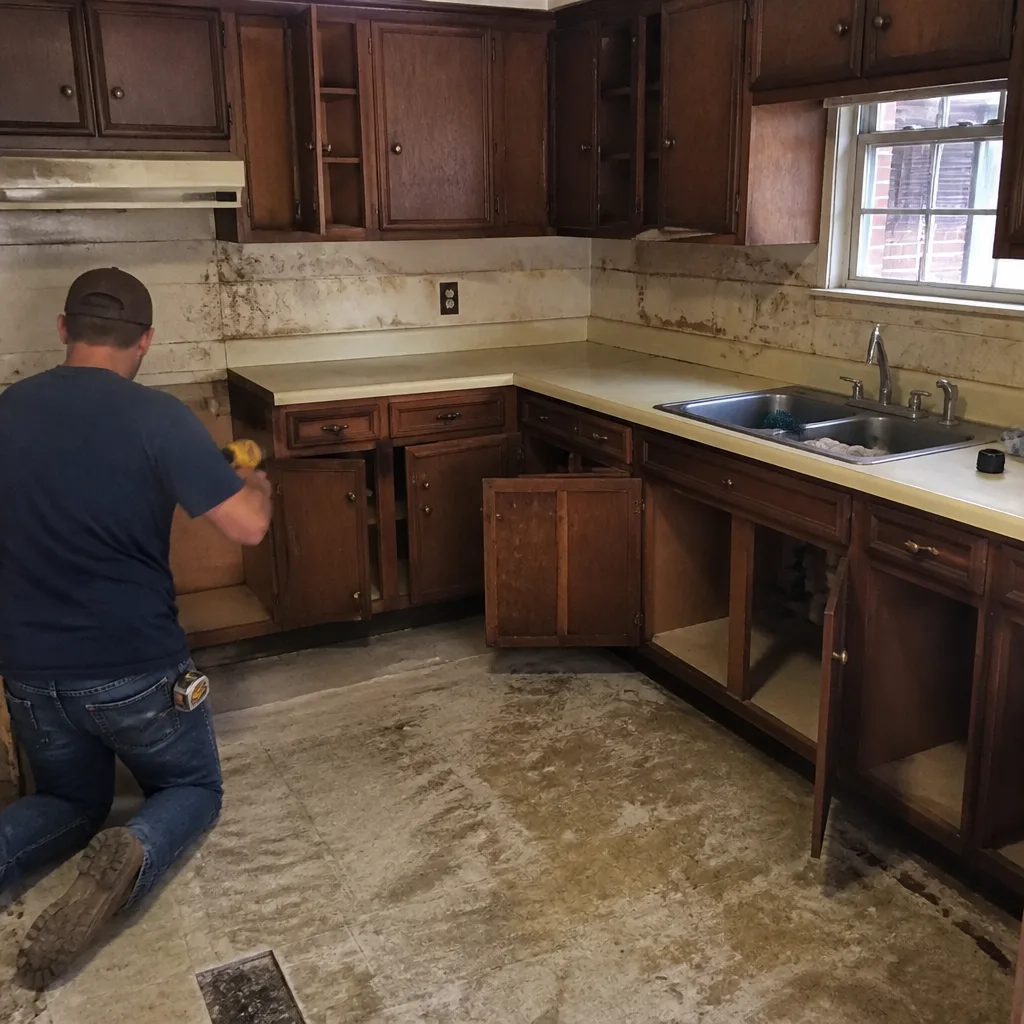 Before
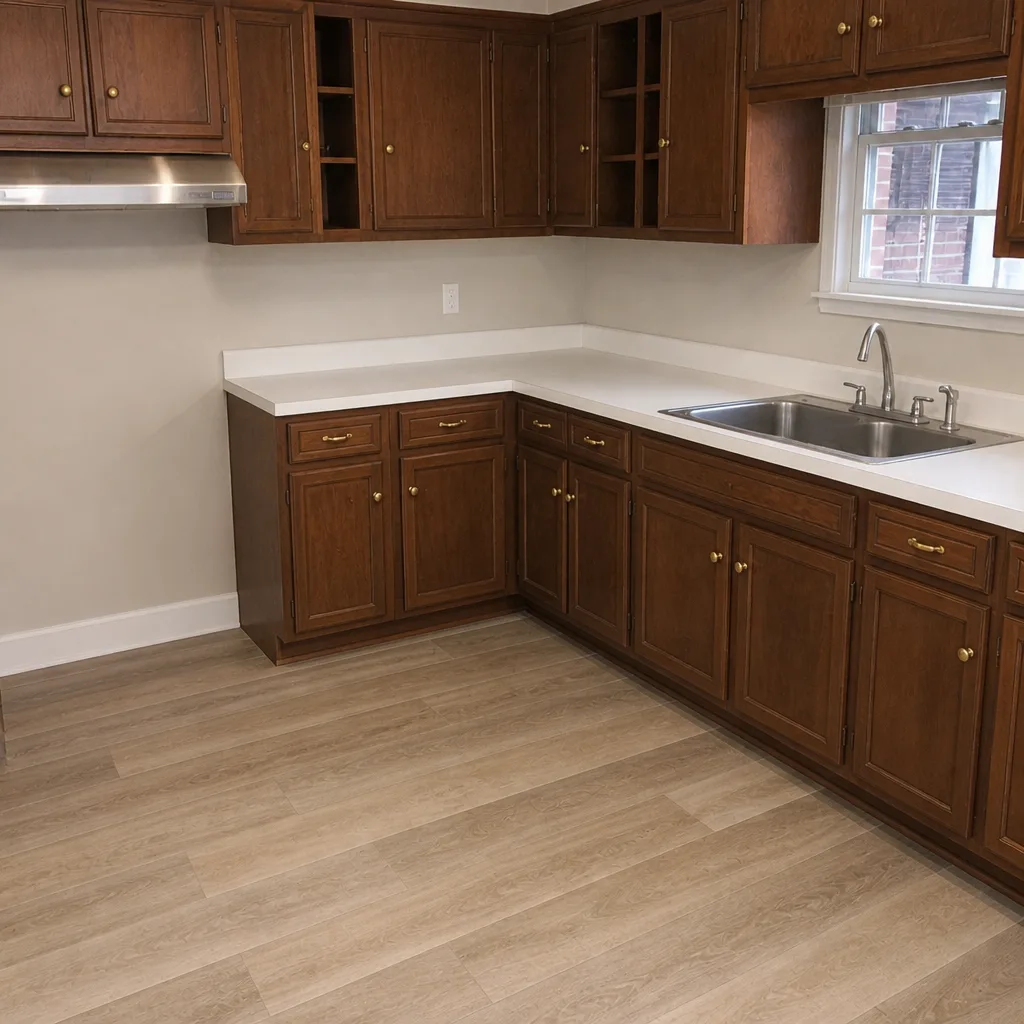 After
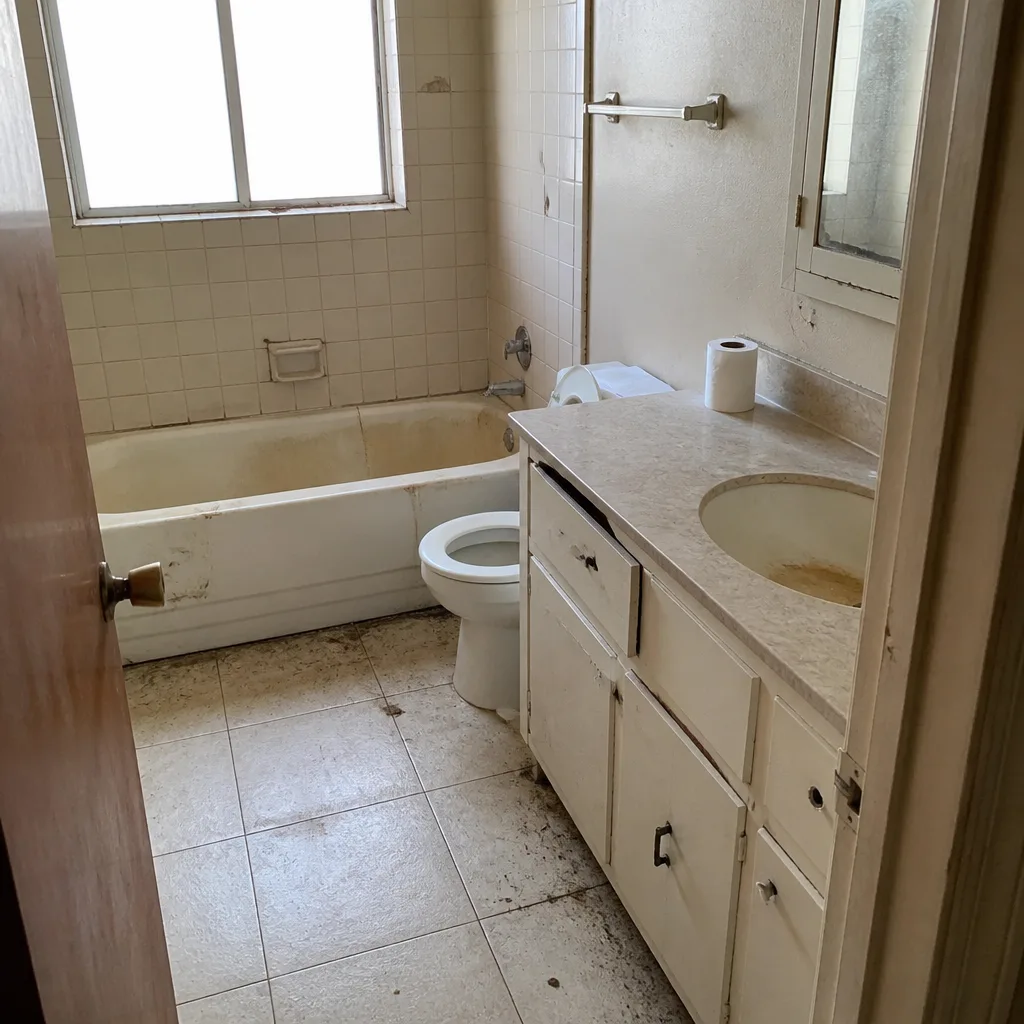 Before
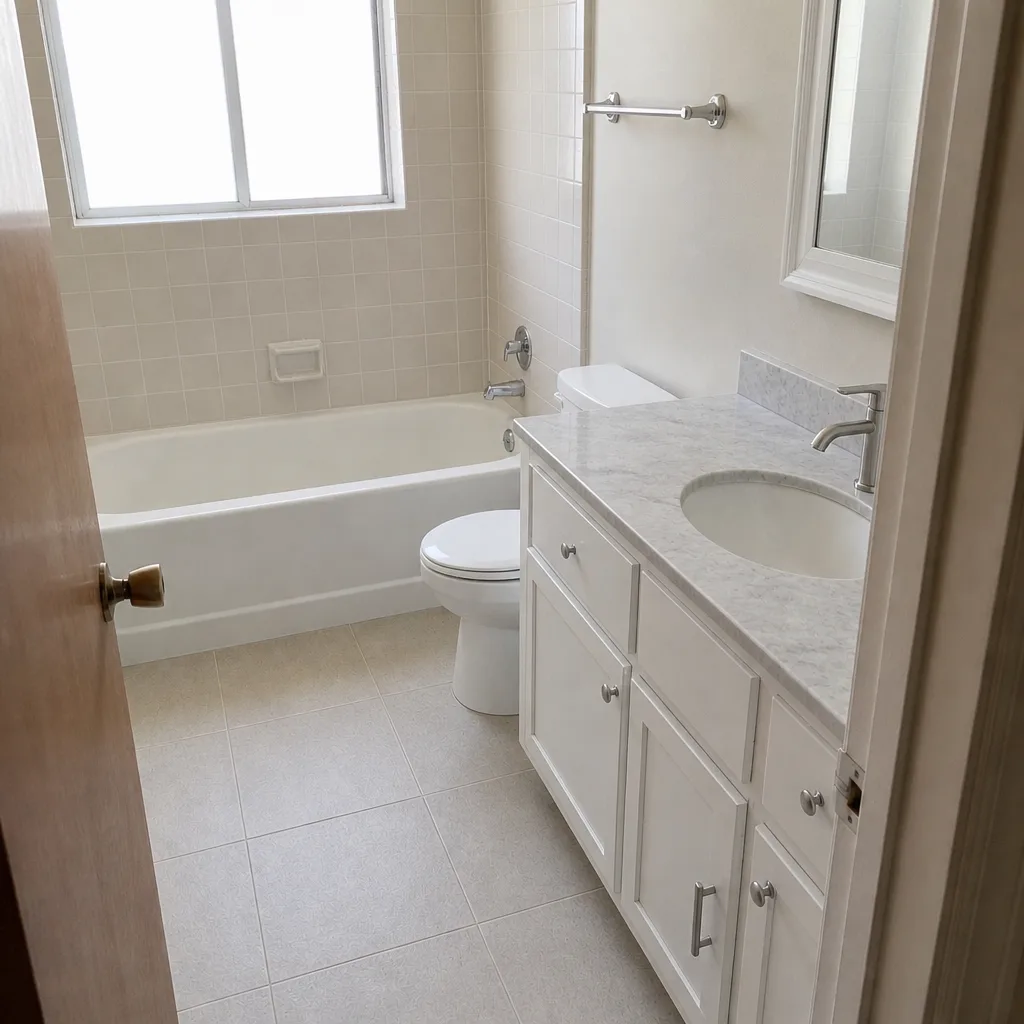 After
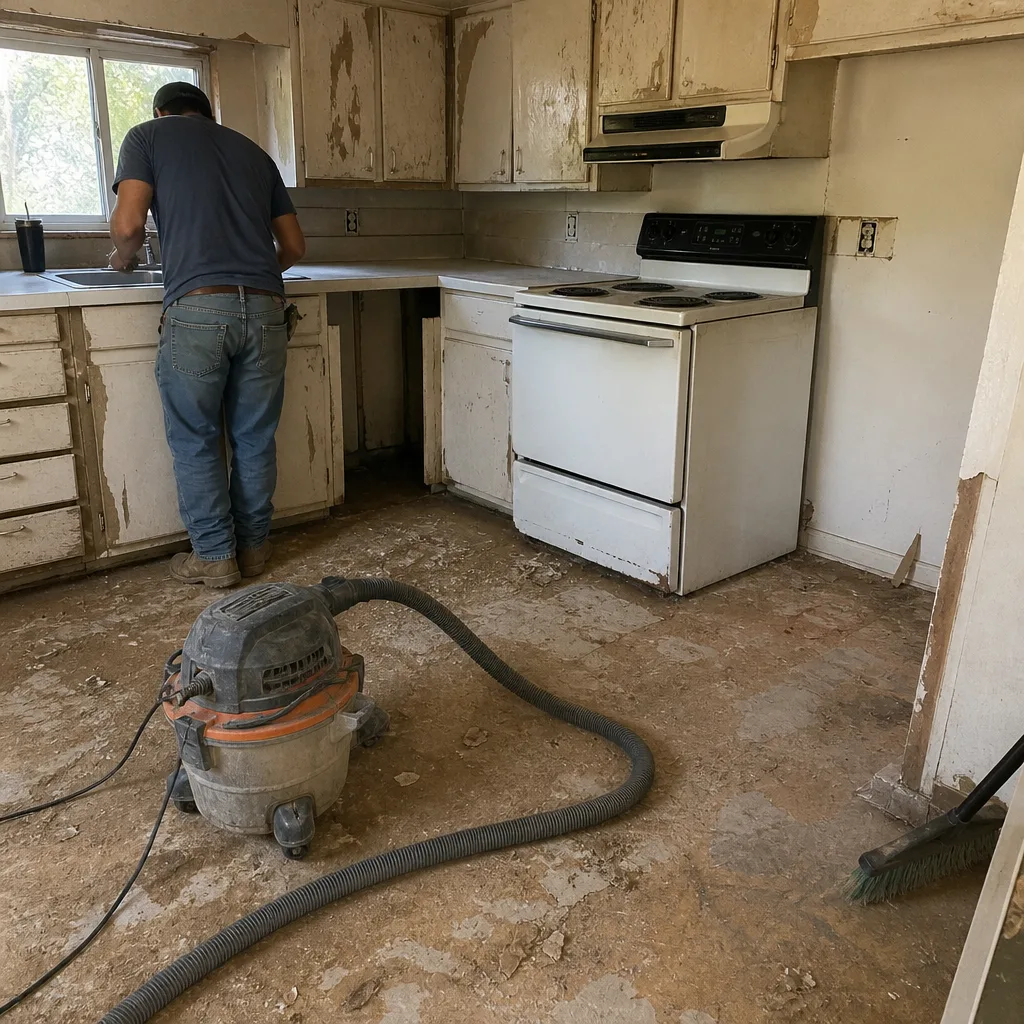 Before
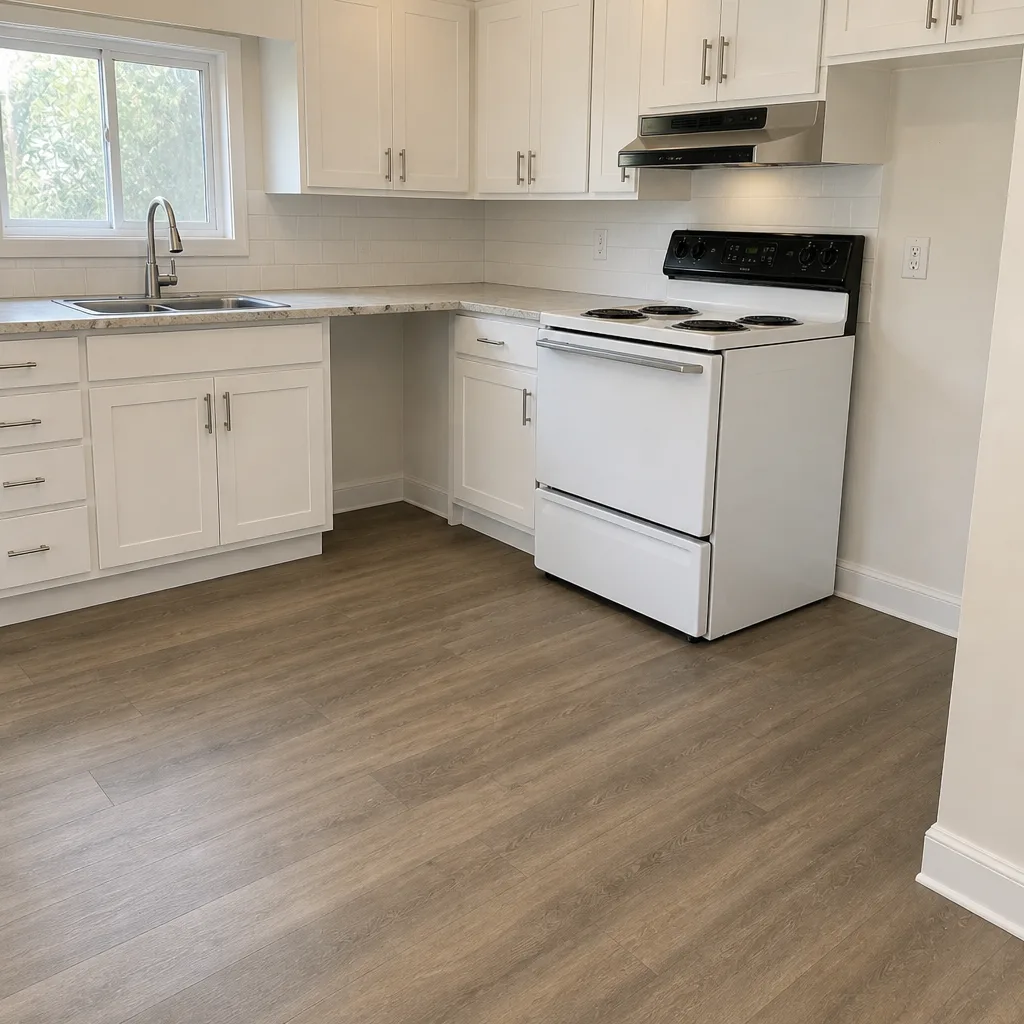 After
When to Call a Professional
Some projects genuinely don’t need a contractor. A single fixture swap, a paint refresh, or an outdoor fix-up can be handled without one. Most of the work Grand Prairie homeowners ask about isn’t in that category. Roof replacements, structural additions, kitchen and bathroom remodels with electrical and plumbing changes, paver driveways with drainage, and fencing installations on a property line all warrant a professional evaluation before you commit to material or scope. Electrical, gas, and any structural work is genuinely hazardous and belongs to a trained professional; it isn’t a weekend project to attempt. If a bid you’ve received is missing line items you can’t identify, or a scope conversation left more questions than answers, that’s a reason to get a second estimate. Construction Grand Prairie offers free estimates in Grand Prairie – call (844) 771-4071. We’ll walk the project, talk scope, and give you a written line-item quote.
Frequently Asked Questions
A mid-grade kitchen remodel in Grand Prairie typically runs $38,000 to $65,000, depending on cabinet line, countertop surface, and whether the layout changes. Cabinetry from KraftMaid or Wellborn and surfaces from Cambria, Silestone, or Caesarstone set the two biggest material lines. Call (844) 771-4071 for an exact quote; estimates are free.
The national average of around $27,000 is built on markets with different labor rates and shorter supply chains. DFW labor rates, current cabinet lead times, and permit costs in the Metroplex push the real number higher. The written estimate from a local contractor is the number to plan around, not an online national figure. Call (844) 771-4071 and we’ll build it line by line.
It shouldn’t, if the bid was written honestly. A fair written estimate sets the price for the scope it describes. Structural surprises behind the drywall may require a documented change order, which protects both sides. Ask any contractor how they handle change orders before you sign. Call (844) 771-4071 and we’ll explain our process in the estimate.
We coordinate the permit process for scopes that require one, and the written estimate states who is pulling the permit and whether inspection scheduling is included. Permit requirements vary by scope and city rule, and most structural or major utility work needs one, so ask your city’s building department or ask us on the walkthrough. Call (844) 771-4071 to go through scope and permits together.
A full bathroom remodel typically runs several weeks from permit to completion. A kitchen remodel takes longer because cabinets, tile, and appliances all sequence in. The schedule is set by material lead times and crew availability, and DFW trade capacity is currently the biggest factor in both. Ask for a schedule in the written estimate. Call (844) 771-4071 and we’ll walk through realistic timing for your project.
Yes, when the contractor covers all three categories under a single contract. That’s the practical benefit of full-scope work: one accountability line, one schedule, and one material access point across trades that usually get hired separately. If your project spans more than one category, a single contractor usually shortens the total timeline. Call (844) 771-4071 to scope a multi-category project in Grand Prairie.
The Bottom Line
The cost of a 2026 construction project in Grand Prairie is set by four things: local labor rates, current material lead times, the honest inclusion of hidden costs like permits and disposal, and whether the scope is coordinated under one contractor or assembled across several. National averages overstate the first and understate the rest. A written estimate that reads line by line, names the material brands, and explains the change-order process is the number you can actually plan around. The projects Grand Prairie homeowners ask about most – roofs, bathrooms, kitchens, additions, driveways, fences, and windows – all sit within predictable ranges once those four factors are in view.
If you’ve read this far and you still don’t know where your project lands, the answer is a free estimate and a walkthrough. Call (844) 771-4071. We answer 24/7. Fast dispatch from 7am to 7pm, Sunday through Friday. The written estimate sets the final price, and it’s free.
Written by the team at Construction Grand Prairie.