Last updated November 18, 2026





Free written scope consultation - allowances, timeline, and change-order rules on paper before a single trade is scheduled
Construction Warning Signs: A Grand Prairie Homeowner’s Reference Guide
A stair-step crack in brick mortar means something completely different than a horizontal crack in a block foundation wall. One is almost always cosmetic in Grand Prairie’s expansive clay soil, and the other is a structural red flag that needs an engineer, not a caulk gun. Most warning-sign guides list the same five cracks, tell you to worry, and stop there. This guide goes system by system and ties each defect to its likely root cause in Grand Prairie’s specific construction environment, so you can tell cosmetic from structural without panicking about either. We’ll cover foundations, roofs, flatwork, and the interior clues that show up after a North Texas storm.
Quick Answer
The warning signs that matter most in Grand Prairie are horizontal foundation cracks, doors and windows that suddenly stick in one season and free up in another, attic staining under the roof deck, and driveway cracks that keep returning after patching. Vertical and diagonal hairline cracks in brick and slab are usually cosmetic here because of clay soil movement. Horizontal cracks, bowing walls, and cracks wider than a quarter inch are the ones that call for a structural engineer rather than a repair crew.
Styles & brands we work with
- Kitchen remodeling
- Bathroom remodeling
- Home additions & ADU
- Roofing
- Windows & doors
- Driveway & pavers
- Fence
Table of Contents
- Foundation Crack Classification: What Each Pattern Tells You
- Why Grand Prairie’s Clay Soil Changes the Rules
- Roof Warning Signs That Don’t Look Like Roof Problems
- Driveway and Flatwork: Base Failure vs. Surface Wear
- Hidden Water Intrusion After Grand Prairie Storms
- Contractor vs. Structural Engineer vs. Foundation Specialist
- A Seasonal Walkthrough for Grand Prairie Homes
- Fence, Paver, and Exterior Envelope Signals
Foundation Crack Classification: What Each Pattern Tells You
Foundation cracks fall into three families, and the direction of the crack matters more than its length. Before you call anyone, photograph the crack next to a coin or a tape measure for scale and note whether it has changed since last season. That photo will save you time with whoever you call, and it will help a Grand Prairie inspector read the pattern correctly.
Vertical Cracks
A vertical crack runs straight up and down, usually near the middle of a wall or at a pour joint. In slab and stem-wall foundations across Grand Prairie, these are typically shrinkage cracks that formed as the concrete cured. They’re common, they rarely indicate movement, and a crack under about an eighth of an inch wide with no displacement on either side is generally a monitor-and-seal situation, not an emergency.
Diagonal Cracks
Diagonal cracks, especially those that step along mortar joints in brick, usually point to differential settlement. The crack widens toward one end and travels toward a corner. In Grand Prairie’s clay, one side of the foundation may sit on soil that swells after rain while the other side dries and shrinks. A diagonal crack under a quarter inch that appears and closes with the seasons is often cosmetic. A diagonal that keeps widening, or one where the two sides no longer line up, is a sign of ongoing movement.
Horizontal Cracks
Horizontal cracks are the ones to take seriously. A horizontal crack in a block or stem wall usually means soil pressure is pushing the wall inward, and it often comes with bowing. This is the pattern that calls for an engineer’s assessment rather than patching. If you see one, keep people and heavy storage away from that wall and get a professional opinion before doing anything else.
- Hairline vertical (under 1/8 inch): usually cosmetic shrinkage, seal and monitor.
- Diagonal stair-step: likely soil movement, monitor seasonally; widening means call.
- Horizontal or bowing: structural, engineer required.
- Any crack with offset or displacement: structural, engineer required.
- Cracks wider than 1/4 inch: worth a professional look regardless of direction.
Why Grand Prairie’s Clay Soil Changes the Rules
Grand Prairie sits on expansive clay that swells when it’s wet and shrinks when it dries. That single fact explains most of the movement homeowners see in their walls, doors, and driveways. Clay doesn’t move evenly. A mature shade tree on one side of the house pulls moisture out of the soil all summer while the sunny side bakes, and the foundation feels that difference every year.
What this means in practice is that a certain amount of seasonal movement is normal here. Doors that stick in late summer and free up after fall rain, hairline cracks that open and close, and slight dips in the yard are the local baseline. The warning signs to watch are the ones that don’t reverse. A crack that only ever gets wider, a door that never frees up, or a floor that starts to slope in one direction all year is telling you the movement has a direction and an ongoing cause.
Water management is the strongest lever a Grand Prairie homeowner has. Grading that sheds water away from the slab, downspouts that discharge well away from the foundation, and irrigation that doesn’t soak the same corner of the house every week all reduce the swelling and shrinking cycle. In our experience, most of the foundation calls we’re asked about trace back to water in one form or another: a low spot, a leaking hose bib, or a patio that slopes back toward the house.
If the soil around your home has been neglected for years and you’re planning a larger project like an addition, it pays to understand the site before you build. Our home additions & ADU work always starts with a look at drainage and soil conditions around the existing structure.
Roof Warning Signs That Don’t Look Like Roof Problems
Some of the clearest roof warnings show up nowhere near the roof. They appear on interior walls, in door frames, and in the attic, and homeowners often misread them as unrelated problems. Here’s what each one usually means.
Interior Wall Cracks Near Ceilings and Corners
A crack that forms at the corner of a room, starting at the ceiling line and running down a few inches, often points to movement in the roof structure or the truss system above. When roof framing sags or a connection loosens, the drywall below it flexes and cracks. This isn’t always a roof failure, but it’s a sign worth putting on the list for an inspection. The same is true of cracks that follow the seams between wall panels.
Door Frame Racking
When a door frame goes out of square, the door catches at the top or the latch stops lining up. Racking near exterior walls and near the roof line is different from a single interior door that swells in humid weather. If several frames on the same side of the house start misbehaving at once, look up at the roof before you blame the doors. Racking along a wall that meets an enclosed porch or an overbuilt addition is another clue to check the roof framing.
Attic Moisture Staining
Brown rings, dark streaks on the roof deck, or damp insulation in the attic mean water is getting past the roof surface. In Grand Prairie, the culprit is often a failing pipe boot, a lifted shingle after a hailstorm, or flashing around a chimney or skylight that has pulled away. Small stains spread fast in summer heat, and untreated leaks soak the deck and insulation. Our roofing team looks at attic staining as a first diagnostic step, and we install GAF, CertainTeed, and Owens Corning systems when the roof needs to be replaced.
Granule Loss and Curling Shingles
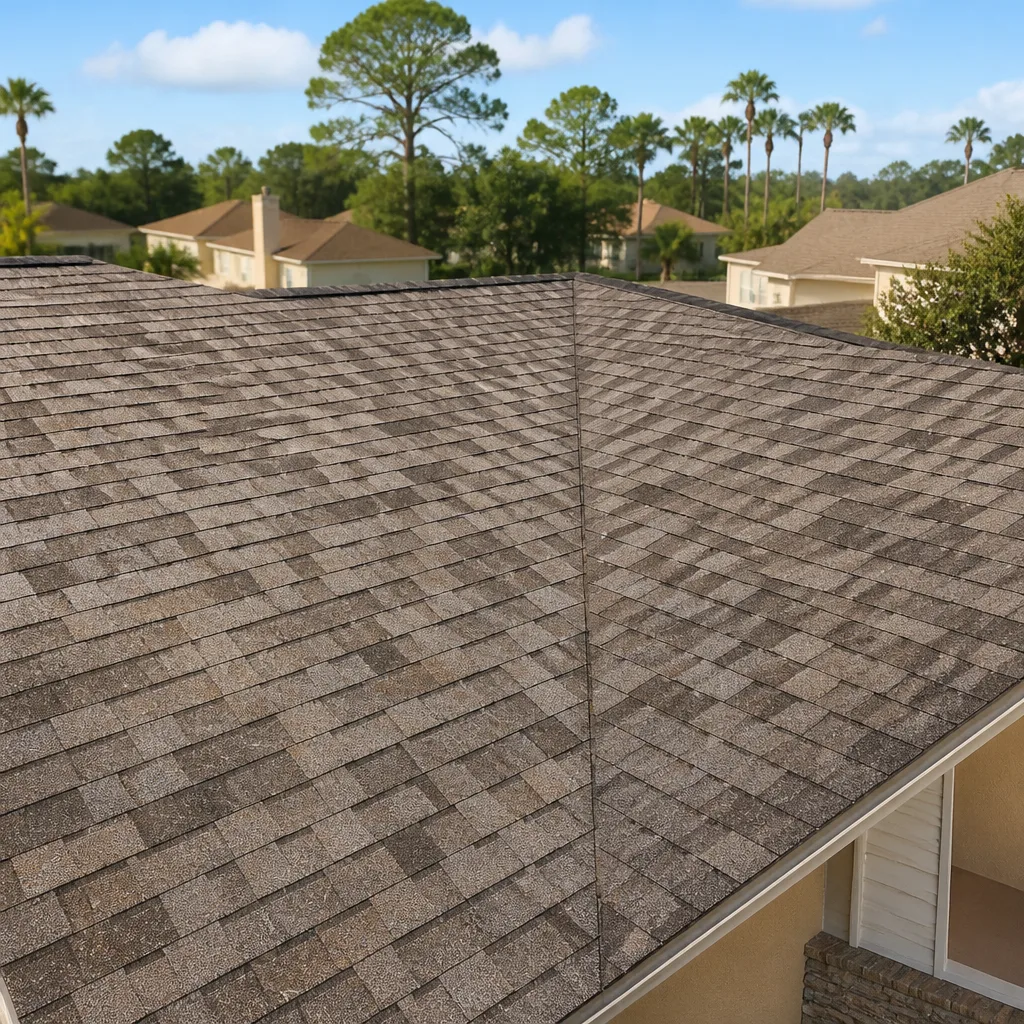
Granules piling up at the base of a downspout, shingles that curl at the edges, and bare patches on a south-facing slope are all signs the shingle surface has aged out. Hail is the other local factor, and a roof that looked fine last spring can have bruised shingles after a storm. The roof a homeowner sees from the ground is only the outer surface; the deck and flashing underneath are where the real story is.
Driveway and Flatwork: Base Failure vs. Surface Wear
Not all driveway cracks are the same, and patching the wrong kind makes the problem worse. The key question is whether the failure is in the surface layer or underneath in the base and subgrade. Surface wear is cosmetic. Base failure is structural, and it will keep showing through any patch you put on top.
How to Tell Them Apart
- Look at the edges. Crumbling at the edges with a solid, stable slab usually means surface wear. Spalling, sun damage, or a shallow crack with no height change is typically cosmetic.
- Step on the slab. If a section of driveway rocks when you walk across it, even slightly, the base has failed underneath. No surface patch fixes that.
- Look for settled sections. A slab that has dropped an inch at a joint with the next one, or a dip that holds water after rain, is a base and grade issue.
- Watch repeat cracks. A crack that returns through fresh patching within a season is telling you the movement is happening below the surface.
- Check the drainage slope. Water pooling against the slab or running back toward the garage is a sign the grade has shifted. That water goes into the base and rewets the clay.
Grand Prairie’s clay makes base failure more common than in sandier soil. The base can move as the clay beneath it expands and contracts, and no thin overlay will hold if the subgrade keeps shifting. Our driveway & pavers work addresses base and drainage as part of the plan, and we install engineered systems from Belgard and Unilock because their documented load ratings are what a driveway in this soil actually needs. If a driveway has already failed twice, replacing it with an interlocking paver system on a properly prepared base is usually the more durable path than a third concrete pour.
Hidden Water Intrusion After Grand Prairie Storms
Water that gets behind drywall often leaves no visible sign on the wall’s face, at least not at first. The stain shows up a room away, or on a ceiling, or as a soft spot when you press a baseboard. Catching it before mold settles in is the difference between a straightforward repair and a bigger remediation.
Where to Look First
- Baseboards and shoe molding. Run a hand along the bottom of exterior walls after a heavy storm. A soft or swollen baseboard has been wet.
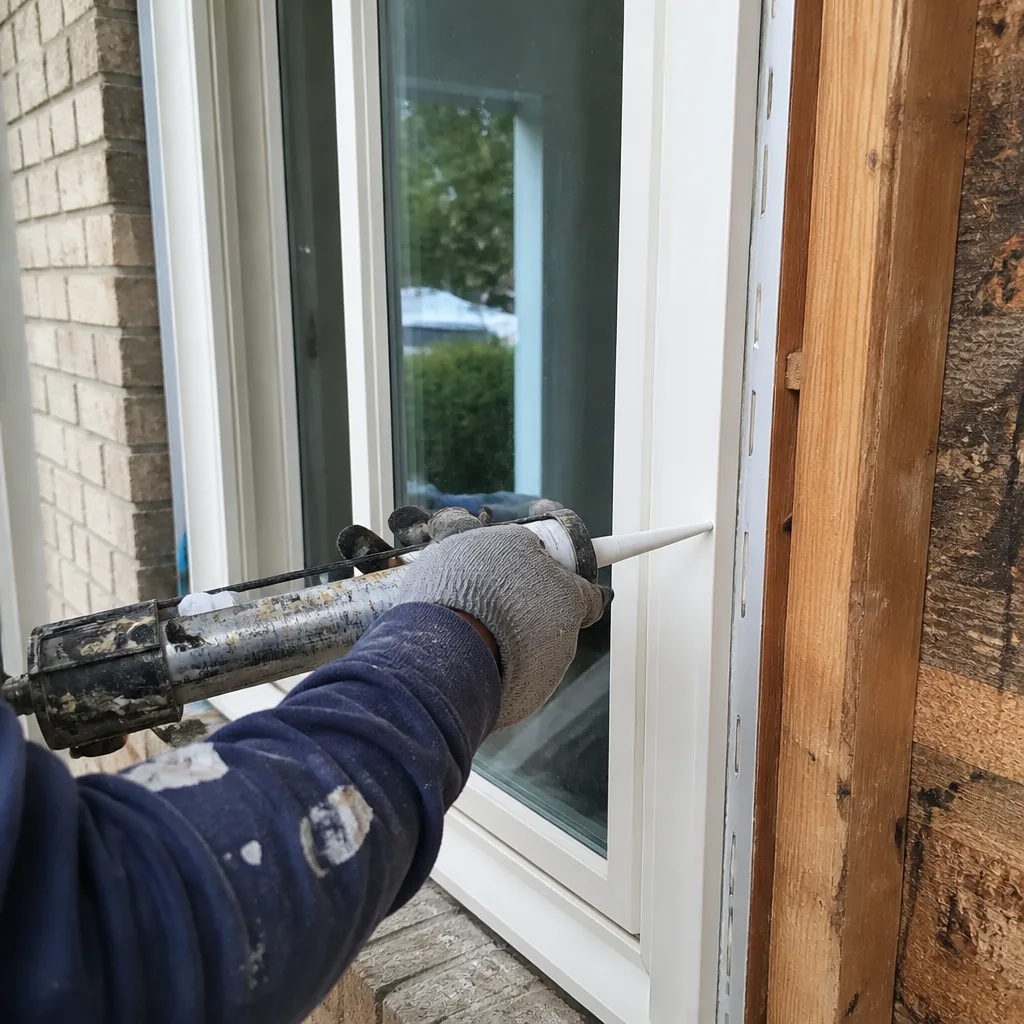
- Around windows and doors. Even impact-rated windows from PGT or CGI can have flashing or sealant failures. Check the interior sill and trim for staining after wind-driven rain.
- Ceiling corners and closet ceilings. Staining in interior spaces that aren’t on the roof line usually means water traveled along framing before soaking in.
- Behind washing machines and under sinks. Storm water isn’t the only intrusion. Supply-line and drain leaks cause the same hidden damage.
- Attic side of ceilings. Look up in the attic after a storm. Wet insulation or dark framing tells you water came through the roof system.
Musty smell is the other clue. If a room smells damp after storms and you can’t find a wet spot, that’s a reason to call rather than wait. Mold can grow behind drywall in the warm months that follow North Texas rain. A professional moisture meter can find the source without demolishing the wall, and that reading guides the repair. If the source is the roof, our roofing work includes a full inspection of flashing and underlayment, not just the shingles. If the source turns out to be a bathroom, our bathroom remodeling work starts by finding and fixing the leak before any new tile goes down.
Contractor vs. Structural Engineer vs. Foundation Specialist
Calling the wrong trade first is one of the most expensive mistakes in the whole process. Each of these three responds to a different diagnosis, and hiring one to do another’s job means paying for work that doesn’t address the cause.
When to Call a Contractor
Call a contractor for visible, cosmetic damage: a cracked interior corner, spalling flatwork, a worn section of shingles, a fence post pulled loose in a summer storm, a leaking shower pan, or a door frame that’s out of alignment with no other signs. A contractor can open up the wall, replace damaged material, and put the envelope back together. Our scope runs from the roofline down through the interior finish, so we can handle the repair and tie it back to the systems around it without a handoff.
When to Call a Structural Engineer
Call an engineer when a crack is horizontal, when a wall is bowing, when a slab has a visible slope that keeps increasing, or when the movement pattern doesn’t fit seasonal soil behavior. A licensed engineer evaluates the structure, gives you a written report on the cause, and specifies the repair. That report protects you in the long run, whether you’re selling, refinancing, or completing a large renovation.
When to Call a Foundation Specialist
Call a foundation specialist when the engineer’s report specifies remediation like underpinning or pier installation. A specialist who does nothing but foundations is the right team for that specific job. Do not let a foundation company diagnose the problem for you on the same visit they quote the repair; get the engineer’s report and let the specialist bid to it.
Why Mixing Them Up Costs Money
A patched crack that was structurally caused reopens and looks worse. An underpinning job sold before a diagnosis may or may not address the actual movement. And a cosmetic crack that gets treated with piers is money that never needed to be spent. The order matters: engineer (if needed) first, then specialist or contractor to do the repair to spec.
A Seasonal Walkthrough for Grand Prairie Homes
A careful walkthrough twice a year catches most of what the guide above describes before it becomes a serious problem. Late spring, after the heavy rain season, and early fall, before the dry stretch, are the two most useful times to do it. Bring a phone for photos and note any change from the last round.
The Walkthrough, Step by Step
- Walk the perimeter of the house. Photograph any new cracks in the brick or stucco. Note their width and whether they’ve grown since last time.
- Check interior wall-to-ceiling joints in every room. Corner cracks and hairline cracks along panel seams that weren’t there last season go on the list.
- Open and close every exterior door. Note which ones stick, and on which side. That tells you which wall may be moving.
- Look up in the attic. A flashlight on the underside of the roof deck reveals staining, damp insulation, or daylight where it shouldn’t be.
- Inspect flatwork after rain. Look for standing water, visible settlement at joints, and cracks that reappear through patching.
- Test the perimeter grade. Run water from a hose at the high side of the yard and watch where it goes. It should move away from the slab, not toward it.
- Walk the fence line. Leaning posts, rot at the base, and popped pickets after wind are signs to look at the fence before the news season.
Our full team addresses any of the items on this checklist, from the roof down through the finish work. You can start with the overview at Construction Grand Prairie and we’ll route the request to the right part of the work.
Fence, Paver, and Exterior Envelope Signals
Exterior assets fail in familiar ways in Grand Prairie, and the pattern depends on the material. Wood loses posts to soil moisture and termites first. Metal gets pulled from its post footing when wind catches a solid run of panel. Pavers shift when the bedding sand and base under them move with the clay. None of these are cosmetic in the way a scuff is, but they don’t all require replacement either.
Fence Warning Signs
- Leaning posts without wind damage. Usually footer failure or rotted post in clay soil. A post that rocks at the base needs replacing before it pulls the whole run out of plumb.
- Loose panels and popped pickets after a storm. The panel fasteners took the load the post footing should have. Inspect the footing before re-hanging.
- Rot at ground level on wood. Wood post and rail that stays wet near the soil is the most common failure here. Commercial-grade materials from Master Halco and Ameristar hold up better than commodity lumber.
- Rust streaks and sagging gates. The gate frame and hinges are taking moisture. This is a hinge and hardware replacement, not a full fence rebuild.
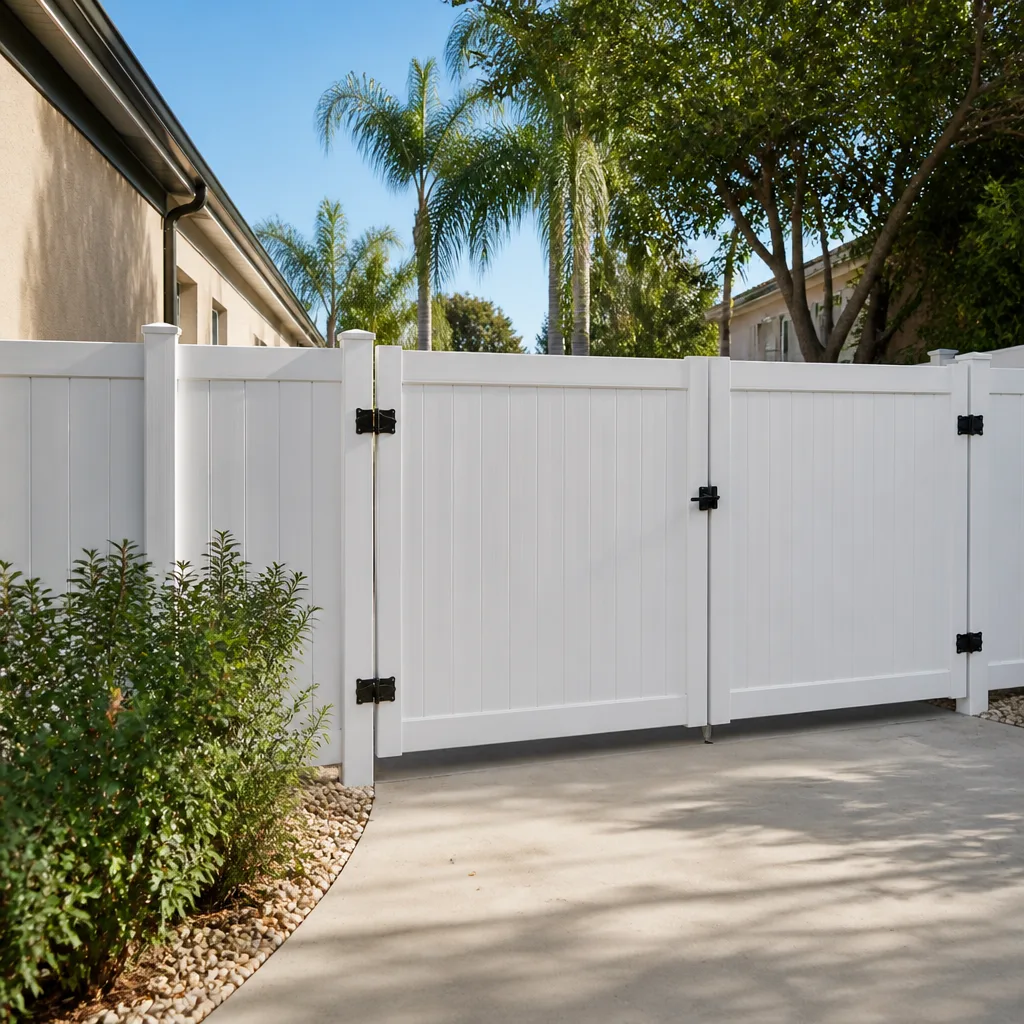
Our fence installation work uses commercial-grade lines, and for decorative metal we install Ameristar and Jerith systems that hold their finish in the local sun and rain. Bufftech vinyl is the other option worth considering for homeowners tired of replacing wood posts every decade.
Paver Warning Signs
Paver walkways and patios signal base problems in slightly different ways than a driveway. Loose pavers that rock out of their bedding, joints that wash out with every rain, and a patio that holds water against the house are all signs the base or the edge restraint has failed. A single loose paver is a five-minute re-set. A patio that shifts seasonally needs the base rebuilt before the surface is redone.
Windows and Doors
For windows and doors, the warning signs are drafts, condensation between panes, and operation that changes with the season. A door that swings freely in fall and sticks in summer is telling you the frame is moving. A window that fogs inside the glass has lost its seal and needs replacement, not repair. Impact-rated and energy-efficient lines from PGT and CGI and entry systems from Therma-Tru are the standard for replacements in this market. Our windows & doors work includes a check of the existing frame and flashing, not just a swap of the unit.
Common Mistakes to Avoid
- Patching foundation cracks before they’re diagnosed. A patched crack hides the evidence an engineer needs and doesn’t stop movement. If a crack is horizontal or bowing, get a diagnosis, not a patch.
- Blaming the roof for interior wall cracks. The crack tells you something flexed, not what flexed. Chase the cause from the attic down before you order the repair.
- Sealing a driveway crack when the base has failed. A sealant over a rocking slab hides the problem for one season and tears open again. Fix the base first, or the surface stays a bandage.
- Ignoring a storm stain until it smells. An interior stain with no smell is still water intrusion, and the clock is running before mold grows. Get a moisture reading the same week.
- Calling a foundation company first on a drywall crack. A foundation company diagnoses foundation problems and prices foundation repairs. Start with a contractor or an engineer if the pattern is unclear.
- Letting a fence post rock for two seasons. A post that moves at the base pulls neighboring posts out of plumb with every wind. Replace the footer before the whole run fails.
- Buying materials without a specification. Paver bedding depth, fence footer depth, and roof flashing details all matter to how the material performs in Grand Prairie’s soil and storms. The right brand installed wrong is still a failure.
See the difference
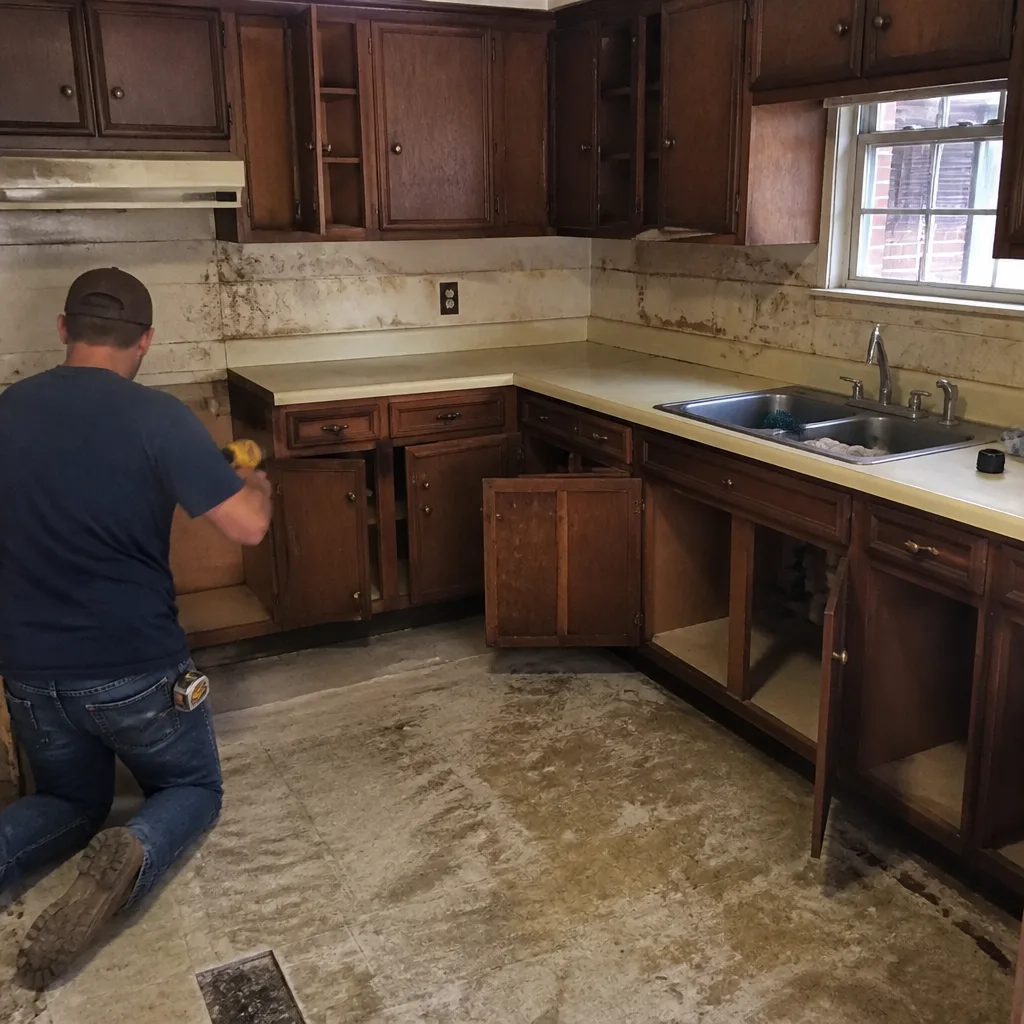 Before
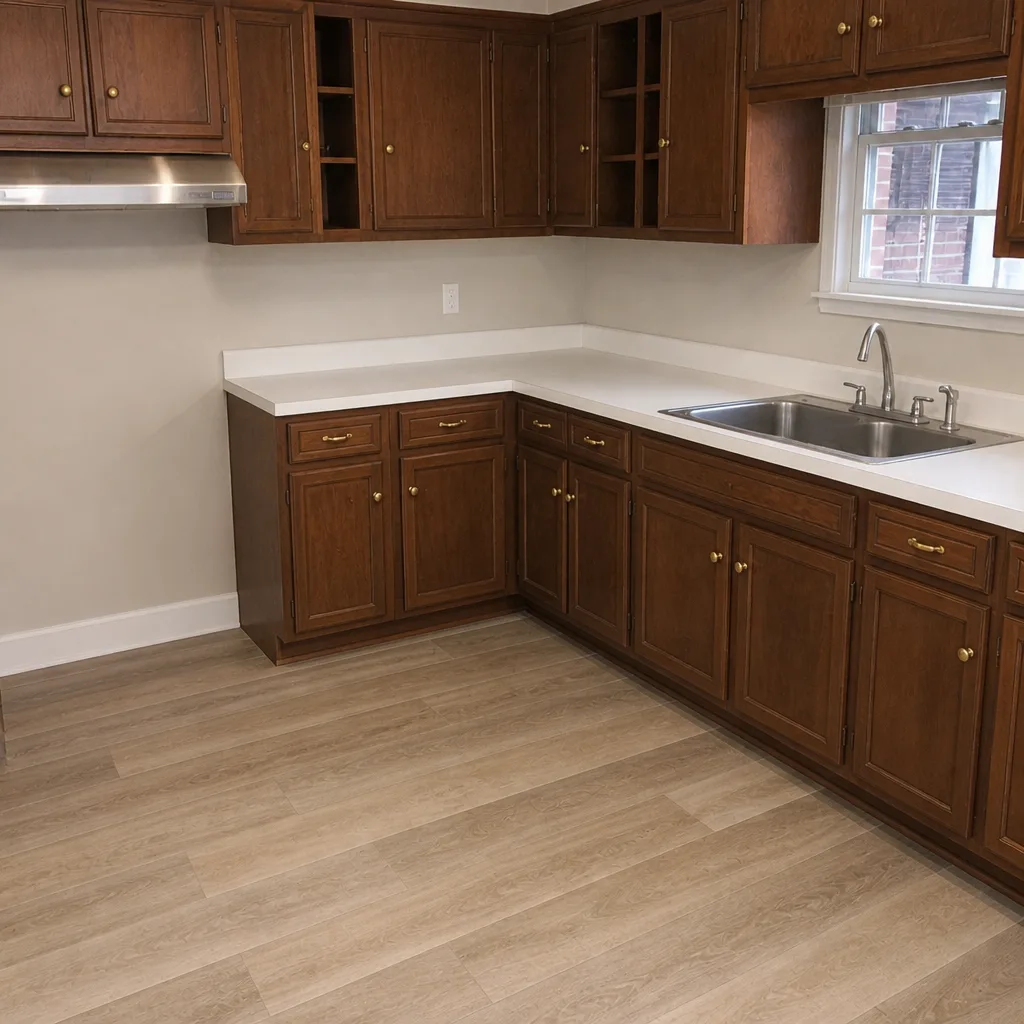 After
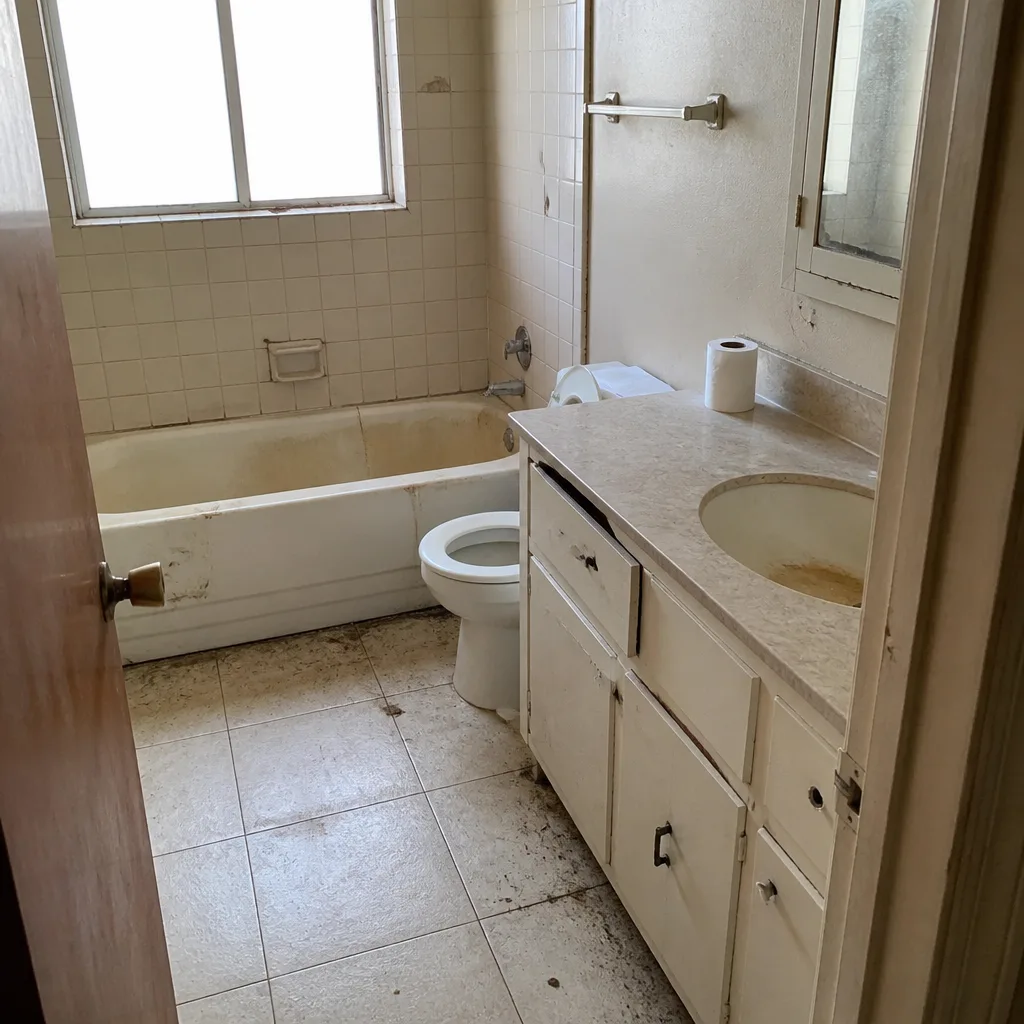 Before
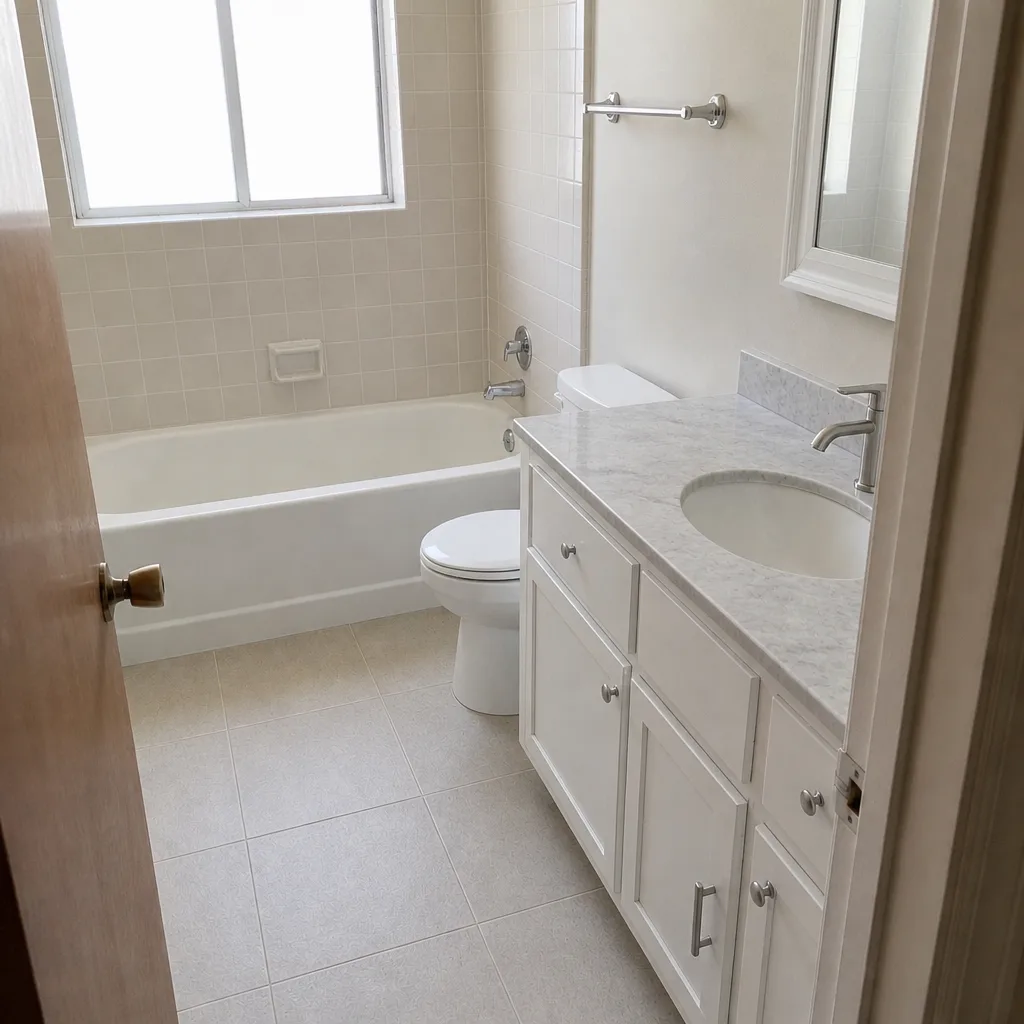 After
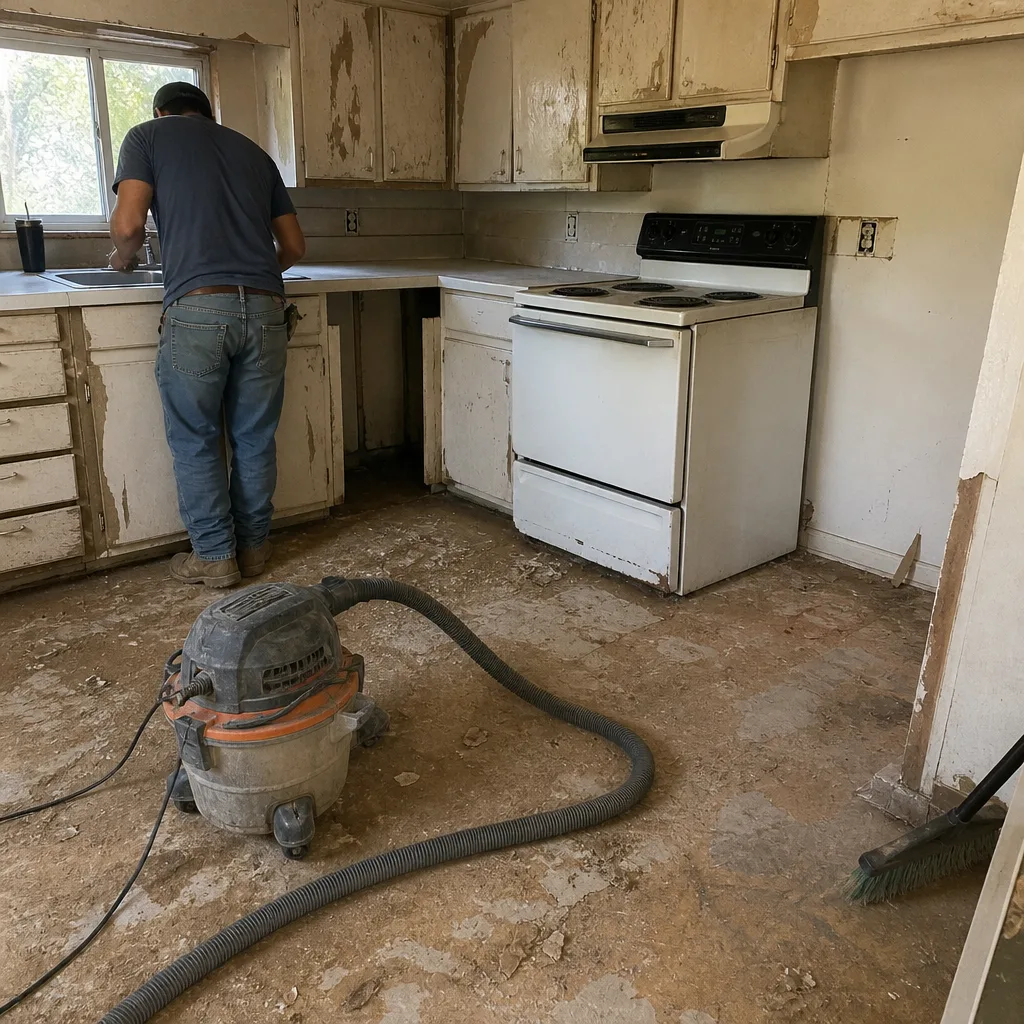 Before
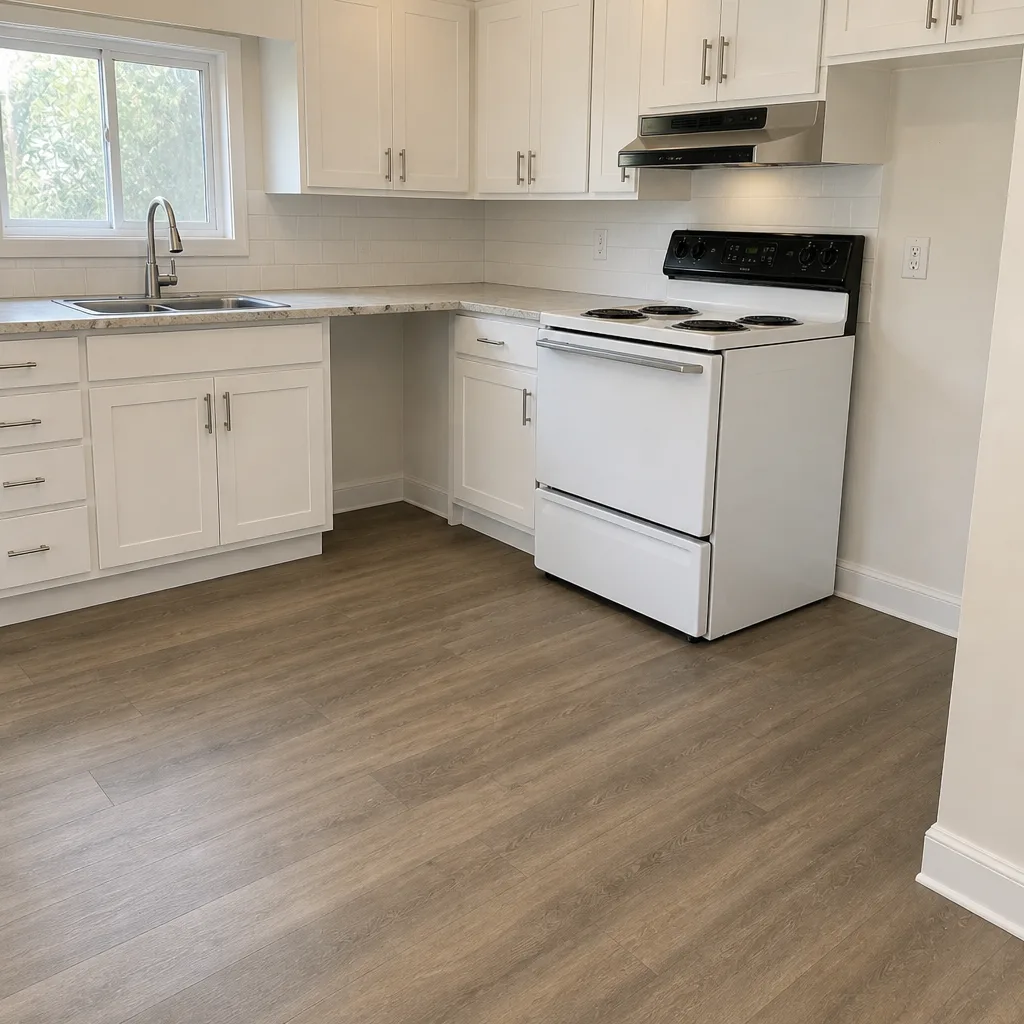 After
When to Call a Professional
Call us if you see any of these: a horizontal or bowing foundation crack, a vertical or diagonal crack that has widened over a season, interior cuts that follow the ceiling line, attic staining you can’t trace, a driveway section that rocks underfoot, an interior wall that stays damp after storms, or a fence run with more than one failing post. Any one of these is worth a look, and most are cheap to inspect and inexpensive to resolve when caught early. If the cause is unclear on the initial look, the next step is a structural engineer’s report; we can tell you from the photos which track to take.
Construction Grand Prairie offers free estimates in Grand Prairie. Call (844) 771-4071 to schedule a walkthrough. We answer 24/7, with fast dispatch from 7am to 7pm, Sunday through Friday.
Frequently Asked Questions
No. In Grand Prairie’s clay soil, most diagonal cracks in brick mortar are cosmetic seasonal movement. They become a foundation concern when they widen over multiple seasons, when the two sides of the crack no longer align, or when the crack is wider than a quarter inch. A photo record across two seasons is the easiest way to see whether the pattern is stable.
Fast, especially in the warm, humid stretch that follows North Texas storms. Visible growth can appear within days behind a wall that stayed wet. Any interior stain after a storm deserves a moisture check that week, before you assume it dried out on its own. Call (844) 771-4071 for an inspection.
An engineer first if the crack is horizontal, if the wall is bowing, or if the movement doesn’t match the seasonal pattern. The engineer diagnoses and writes a report; a foundation specialist then bids the remediation to that report. Skipping the engineer lets whoever quotes the repair set the diagnosis too, which is where a lot of unnecessary pier work happens.
It usually means the failure is in the base, not the surface. A rocking slab, a settled section, or pooling water along the joints points to base movement caused by the clay beneath. Patching the surface repeatedly won’t hold. A driveway with repeat failures is a candidate for a base rebuild, and often for a paver replacement on a properly prepared base.
Yes, sometimes. When roof framing sags or a connection loosens, the drywall below flexes and cracks along ceiling lines and room corners. Door frames that rack on the same side of the house are another clue. If you see both together, check the attic for water and have both inspected before deciding on a repair.
Multiple failing posts, rot at ground level along the whole run, and sections that no longer stay plumb after re-set are signs replacement is the right move. A single failing post is a repair. A fence built from commercial-grade lines like Master Halco or Ameristar usually lasts longer in Grand Prairie than a commodity lumber fence, because the post-to-panel connection is engineered to hold up. Call (844) 771-4071 for a free estimate.
The Bottom Line
The warning signs worth worrying about are the ones that keep getting worse. Vertical and diagonal hairline cracks in Grand Prairie’s clay are usually seasonal and cosmetic. Horizontal cracks, bowing walls, settling slabs, and interior dampness after storms are the ones that need a professional diagnosis before patching. The order of diagnosis matters: catch the cause, then choose the right trade, then repair. A seasonal walkthrough and a stack of dated photos will tell you which of those situations you’re looking at, and a free estimate will give you the numbers to decide.
Written by the team at Construction Grand Prairie.
Ready to schedule a walkthrough? Call (844) 771-4071 for a free estimate. We answer 24/7, with fast dispatch from 7am to 7pm, Sunday through Friday.