Last updated November 18, 2026






Free written scope consultation - allowances, timeline, and change-order rules on paper before a single trade is scheduled
How to Hire a Construction Contractor in Grand Prairie: A Step-by-Step Guide
Most homeowners think the hard part of hiring a contractor is finding three names and picking the middle bid. It isn’t. The hard part is knowing which questions expose an underqualified crew before they touch your home. A low bid that skips the city permit, hides a subcontractor chain, or leaves the scope vague in writing can cost far more than the few hundred dollars it appeared to save. What follows is the specific vetting process we’d walk a neighbor through here in Grand Prairie, from verifying a license with the state to structuring payments that protect your money at every milestone. This guide covers how to check credentials, read a scope document, spot local red flags, and avoid the change-order fights that sink multi-trade projects.
Quick Answer
To hire a construction contractor in Grand Prairie, verify the contractor’s license and insurance directly through TDLR and request a current certificate of insurance from their carrier, not a photocopy. Then insist on a written, line-item scope of work and a payment schedule tied to completed milestones rather than a large upfront deposit. A legitimate full-scope contractor pulls city permits, discloses any subcontractors, and puts your responsibilities and theirs in writing before anyone starts work.
Styles & brands we work with
- Kitchen remodeling
- Bathroom remodeling
- Home additions & ADU
- Roofing
- Windows & doors
- Driveway & pavers
- Fence
Table of Contents
- How Do You Verify a Contractor’s Credentials in Grand Prairie?
- What Insurance and Lien Records Should You Check?
- What Does a Legitimate Scope of Work Look Like?
- Which Red Flags Are Specific to Grand Prairie?
- Why Does One Full-Scope Contractor Beat Multiple Specialists?
- What Payment Structure Protects Homeowners?
- Do You Need a Permit, and Who Pulls It?
- How Do You Compare Bids Without Getting Fooled?
How Do You Verify a Contractor’s Credentials in Grand Prairie?
You verify a contractor in Grand Prairie by checking their license status directly with the state, not by trusting a logo on a truck or a verbal assurance on the phone. Texas requires licensing for certain trades through the Texas Department of Licensing and Regulation (TDLR), and plumbing work falls under the Texas State Board of Plumbing Examiners. Any contractor who can’t tell you plainly which license applies to their scope and offer the number should be a pass.
Here’s the order we recommend verifying credentials:
- Ask for the license number in writing. A real one is a fixed identifier, not “we’re licensed and bonded, don’t worry about it.” Get it in an email or on the estimate.
- Look it up yourself on the TDLR website. The state’s license search shows whether a license is active, expired, or has complaints on record. Spend five minutes here; it’s the single most useful check on this list.
- Confirm the name matches. The license should be held by the company or individual named on your contract. If the name on the license and the name on the estimate don’t match, ask why.
- Ask about the specific trade. Roofing, electrical, plumbing, and HVAC each carry their own licensing requirements in Texas. A contractor doing a kitchen remodel may coordinate all of them but shouldn’t claim to hold a license they don’t have.
- Verify locally. Grand Prairie issues contractor registrations for certain types of work through the city. Call the city’s building department and ask whether the company is registered to pull permits in Grand Prairie.
We’ve watched homeowners get burned by a contractor with a slick website and no license on file. It takes about ten minutes to confirm, and it’s the cheapest insurance you’ll ever buy on a five-figure project. If you’re ready to start the conversation with a team that can walk you through this step, call Construction Grand Prairie for a free estimate.
What Insurance and Lien Records Should You Check?
Request a current certificate of insurance directly from the contractor’s insurance carrier, not a photocopy the contractor emailed. A legitimate certificate names the policyholder, the policy number, the effective dates, and the coverage limits for general liability and workers’ compensation. If the certificate has lapsed or the limits look low for the size of your job, ask questions before signing anything.
Then check the lien history. In Texas, contractors and suppliers can file a mechanic’s lien against your property if they aren’t paid. That means a subcontractor who did work on your home but went unpaid by the general contractor can come after your property. Protecting yourself means knowing who the contractor plans to pay and how.
Two practical steps:
- Check the Tarrant County clerk’s office for recorded liens against the contractor’s business name. Liens are public record, and a pattern of them is a warning sign worth understanding before you commit.
- Ask for a lien waiver at each payment milestone. A conditional lien waiver signed by the contractor and any subcontractors confirms they’ve been paid for the work covered by that payment. It’s a standard tool and a fair request on any mid-size to large Grand Prairie project.
Ask about workers’ compensation specifically. If a worker is injured on your property and the contractor doesn’t carry workers’ comp, your homeowner’s policy could be exposed. That’s a detail worth confirming in writing, not over the phone.
What Does a Legitimate Scope of Work Look Like?
A legitimate scope of work names every material, every dimension, and every task in writing, so there’s no room for interpretation later. A vague estimate says “install new flooring, paint, and fixtures.” A real scope says which flooring product, at what square footage, in which rooms, including removal and disposal of the old material, floor prep, trim, and finish. The difference is your legal protection if work is disputed.
Here’s what we put in a scope of work for a Grand Prairie project, and what you should expect from any contractor you hire:
- Materials by brand and model. Not “quartz countertops” but the specific line and color. When we spec Cambria or Silestone surfaces for a kitchen, the scope names the product and the edge profile so there’s no surprise at installation.
- Room-by-room task list. Demolition, framing, rough-in, insulation, drywall, finish, paint, trim, cleanup. Each task is on the page.
- Explicit inclusions and exclusions. What’s included, what’s excluded, and what happens if the scope needs to change. This single section prevents most change-order fights.
- Who provides what. Are you buying the tile, or is the contractor? Who pulls the permit? Who handles disposal of the old materials?
- Timeline by phase. Not a single finish date, but the sequence of phases and the milestones that trigger payments.
- Payment schedule. Detailed on the scope, not in a separate handshake agreement.
If a contractor hands you a one-page estimate with a lump-sum number and nothing else, that’s your signal to ask for a real scope before signing. The scope itself is a deliverable, and a contractor who can produce one easily is showing you how they work.
Which Red Flags Are Specific to Grand Prairie?
Some warning signs are universal. A few are sharper here because of how fast the city has been growing and how many trades are competing for work. We’ve seen each of these in Grand Prairie over the years, and they’re worth knowing before you sign anything.
Skipping the city permit to move faster. Grand Prairie requires permits for most structural work, additions, and major systems. A contractor who suggests “we’ll just get started and pull the permit later” is asking you to carry the risk of an inspection failure two years from now, when a buyer’s inspector or an appraiser finds the unpermitted work. The permit protects you, not just the contractor.
Undisclosed subcontracting. Plenty of contractors use subcontractors, and that’s normal on multi-trade work. The problem is when you’re not told. If every trade on your project is subcontracted to someone you never meet, you don’t actually know who’s responsible when something goes wrong. Ask which trades are in-house, which are subcontracted, and who supervises them.
A crew that isn’t on the permit. The name on the permit should be the name on your contract. If the permit was pulled by a different company, ask why before work begins.
Estimates that ignore Grand Prairie’s climate. North Texas summers and the occasional hard winter both matter for materials. A contractor who hasn’t thought about how a paver base drains through heavy spring rain, or how a roofing underlayment handles summer heat, hasn’t done the job before in this city. If they’re not asking questions about how your property handles water, that’s a red flag.
Pressure to sign on the spot. Scarcity pressure (“this price is only good today”) is a sales tactic, not a construction practice. Every legitimate contractor we know will give you a day or two to read the scope.
Why Does One Full-Scope Contractor Beat Multiple Specialists?
A single full-scope contractor reduces the number of hands on your project, the number of schedules you have to coordinate, and the number of change orders someone can blame on someone else. When a kitchen remodel and a roof replacement run on the same contract, the roofing crew and the kitchen crew can’t each claim the other damaged the property. That accountability is the real product, not the materials.
Consider what a multi-trade project actually involves. A home addition with an ADU touches the foundation, framing, roofing, windows and doors, electrical, plumbing, kitchen, bath, and exterior hardscape. If you hire each of those five or six trades separately, you own the schedule risk. If one crew runs late, your countertop install gets pushed, your appliance delivery shows up to an unfinished kitchen, and you’re calling two general contractors who both say the other is responsible.
With a single full-scope contractor, the sequence is planned from the start. Our team handles home additions & ADU work alongside the roofing, windows, and finish trades under one contract, which means the framing doesn’t have to wait on a separate roofer’s calendar and the interior finishes don’t get held up by a second crew’s schedule. Same story with a bathroom and a driveway replacement running the same month: the paver crew from the driveway & pavers side doesn’t have to negotiate site access with anyone because it’s all one plan.
On exterior work, the advantage shows up in the perimeter. A fence installation from fence installation using Bufftech and ActiveYards vinyl fence systems can be coordinated with hardscape lines using Belgard and Unilock pavers, so the property line, the grade, and the paver edge all agree. When those are three separate contractors, somebody’s going to dig through somebody else’s work.
The other underrated benefit is same-quality materials across every trade. When one contractor manages the whole job, the budget doesn’t get spent on a premium kitchen and then cheap out on the fencing because the fence sub was brought in at the last minute. Material choices stay consistent from the front door to the back fence.
What Payment Structure Protects Homeowners?
A reasonable payment structure for a Grand Prairie residential project ties each payment to a completed milestone and keeps a meaningful final payment for the walkthrough. You should never be asked to pay a large deposit before work begins, and nobody should ask for full payment before the job is done.
Here’s how a protected schedule breaks down:
- Mobilization deposit. A modest deposit at signing to cover permit fees and material ordering. It should never be a majority of the contract price.
- Milestone payments. Tied to completed, inspected phases. For a kitchen: demolition and rough-in, then cabinetry install, then countertops, then finish and punch list. Each payment follows a phase you can see and approve.
- Substantial completion payment. When the main work is done and the punch list remains, a final percentage is held back until every item on that list is closed out.
- Final payment at walkthrough. Released when you’ve walked the project with the contractor and signed off on completion.
Two red flags here. First, any contractor asking for cash. Cash means no trail, no card protection, and no recourse if something goes wrong. Second, a payment schedule that pays out large sums before work is complete. If the contractor is paid to 90 percent and 60 percent of the work is done, you’ve lost leverage.
Never pay for materials you haven’t seen land on the property. In our experience, most disputes over money are really disputes over expectations, which is why everything above should be written into the contract, not verbalized at signing. Call our driveway and paver team if you want to see how we structure a project estimate in person, or any of our other trades; estimates are always free and always written.
Do You Need a Permit, and Who Pulls It?
Most structural, electrical, plumbing, and mechanical work in Grand Prairie requires a permit, and the contractor should pull it in their own name. Ask this question before signing. The answer tells you almost everything about how a contractor operates.
A permit is not a formality. It’s the mechanism that ensures the work gets inspected by the city, and that inspection is your independent record that the work was done to code. If the work isn’t permitted, an inspector never sees it, and that failure gets discovered by the next buyer’s inspector, at which point it’s your problem to fix. Unpermitted additions and conversions are the most common source of this pain.
Ask three specific questions about permits:
- Who pulls the permit? The answer should be the contractor, in their name, on every scope that requires one.
- What inspections are required? A good contractor knows the sequence for your project and schedules inspections as part of the timeline.
- Who handles any code corrections? If an inspector flags something, who fixes it and who pays for the fix? That belongs in the contract.
For an addition or an ADU, permit questions get more detailed. Setbacks, lot coverage, and utility connections all get reviewed. That’s the moment a full-scope contractor is worth more than the sum of its parts: they’re managing the permit drawings, the inspection sequence, and the trades that touch each phase. If you’re considering a prefab ADU from a manufacturer like Boxabl, Abodu, or Dvele, the permit review is still the same, and the person running the install needs to understand your site’s specific conditions. Our team can walk you through the permit path for home additions & ADU projects in Grand Prairie as part of a free estimate.
How Do You Compare Bids Without Getting Fooled?
Compare bids by line item, not by the bottom number. Two bids for a bathroom remodel at $28,000 and $41,000 are not the same job if one includes a permit, tile setting materials, plumbing rough-in, and disposal, and the other doesn’t. The only fair comparison is scope against scope.
Here’s the process we recommend when you have two or three bids in hand:
- Normalize the scope. Take each bid and write down, side by side, what’s included in materials, labor, permits, and cleanup. Note every line that appears in one bid but not the others.
- Check brand names. A bid that says “roofing” without naming the manufacturer and line is a bid you can’t compare to one that specifies a GAF Timberline system. Same for cabinets (KraftMaid, Wellborn), countertops (Cambria, Silestone, Caesarstone), and fixtures (Kohler, Moen, Toto).
- Ask what happens if the scope changes. The contractor should have a written change-order process with a cost before work begins.
- Call the references, not just the names. Ask specific questions: did the contractor pull the permit, did they finish on schedule, did the final price match the estimate.
- Watch for missing line items. Disposal, floor prep, trim, paint, and permits are the most common omissions. If they’re not in the bid, ask whether they’re included or extra.
- Read the warranty language. Manufacturer warranties on materials and installation warranties are two different things. Make sure the contract names both where they apply.
We work with the same materials specified by architects and custom builders, and the reason that matters here is comparison. When your bid names the specific product, your other bids can be compared to it, line by line. Vague bids hide the differences that cost you money later.
Common Mistakes to Avoid
- Hiring on price alone. The lowest bid almost always reflects a thinner scope, not a better deal. It’s the missing line items that show up as change orders later.
- Trusting a verbal license claim. Look up the license number yourself on the TDLR site and confirm the name matches the contract.
- Signing a scope that doesn’t name products. “New cabinets” and “KraftMaid Wellborn in a specific door style” are different contracts with wildly different labor and material costs.
- Skipping the permit to save time. It’s the fastest way to plant a problem for the next owner’s home inspection or the bank appraisal on a refinance.
- Paying a large deposit you can’t recover. A big deposit before work begins is your money carrying the contractor’s risk. Tie payments to milestones.
- Not asking about subcontractors. If every trade on a multi-trade project is subcontracted, you don’t have a contractor, you have a referral. Ask who actually shows up and who supervises them.
- Ignoring Grand Prairie water and drainage. North Texas spring storms put a lot of water through a yard quickly. A paver, fence, or addition crew that hasn’t thought about how water runs on your property is inviting problems you’ll pay to fix next year.
See the difference
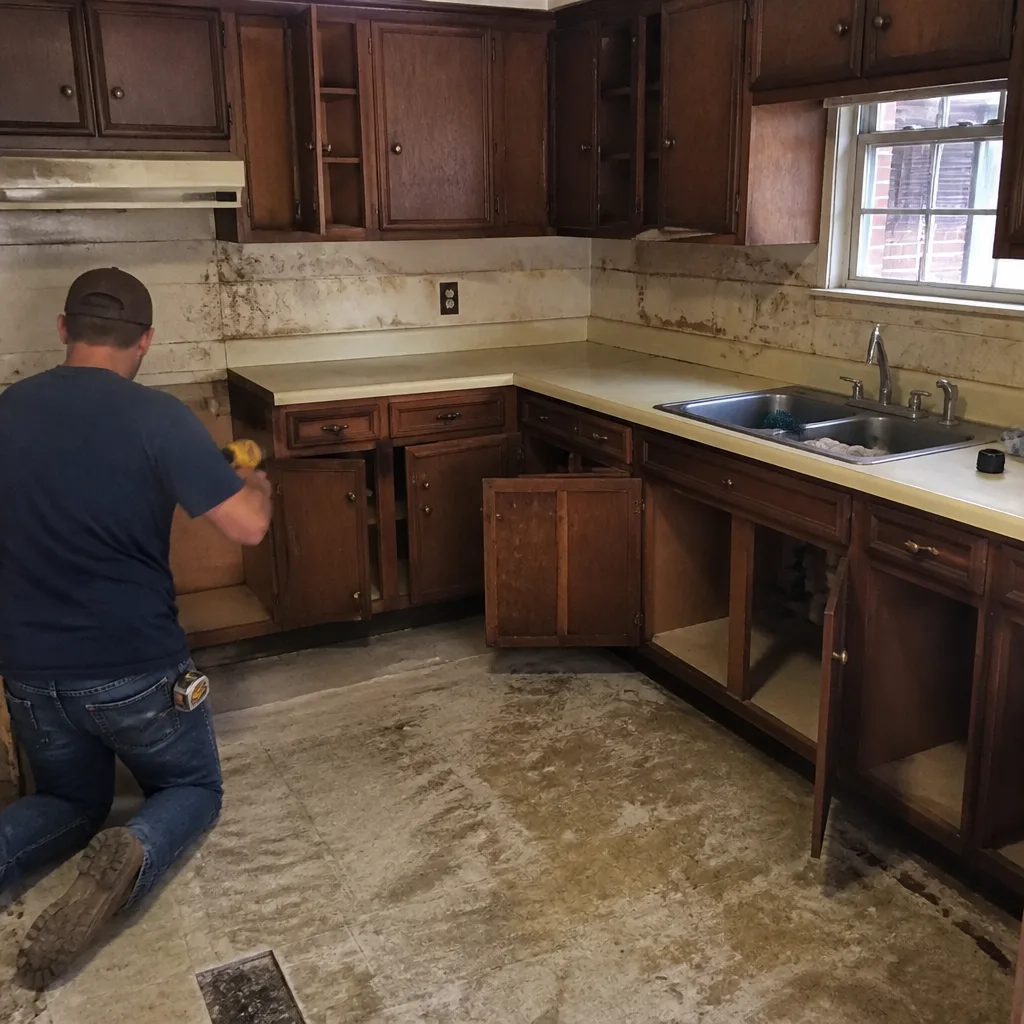 Before
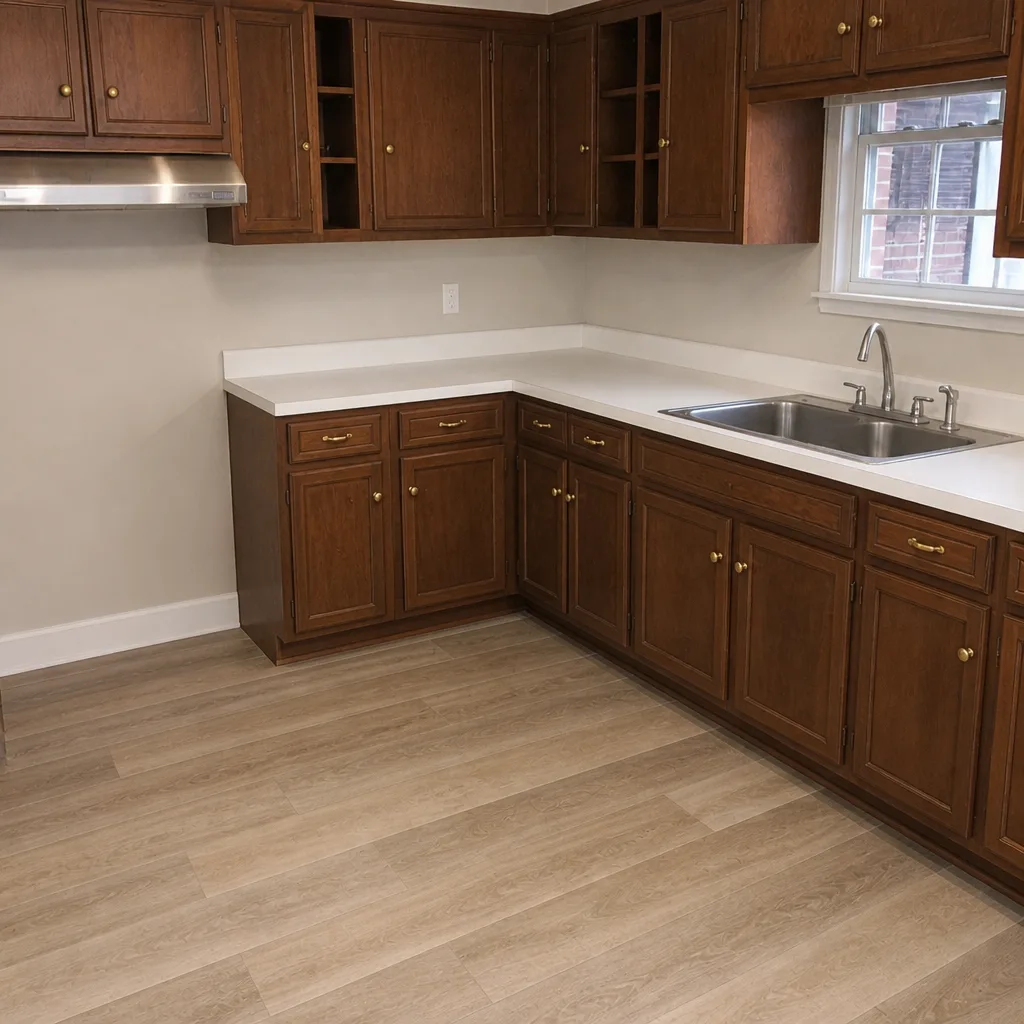 After
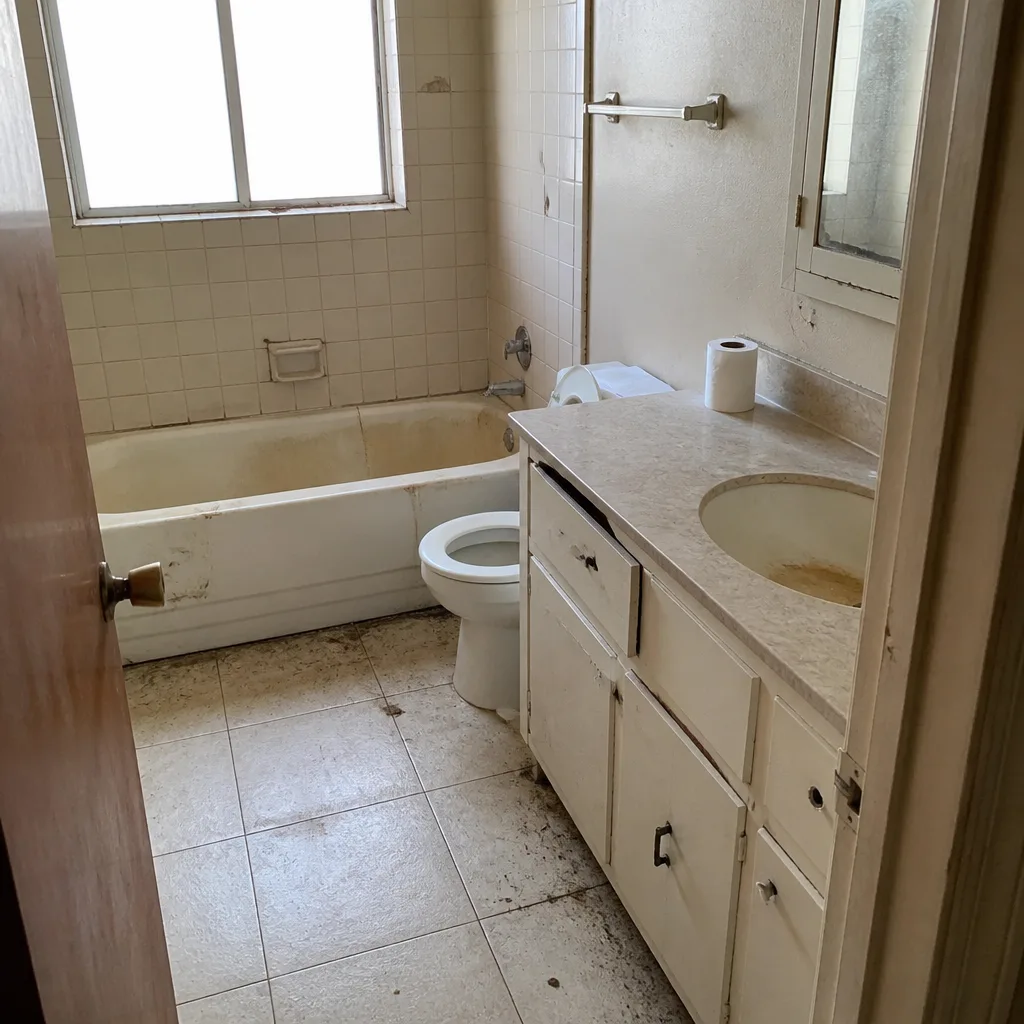 Before
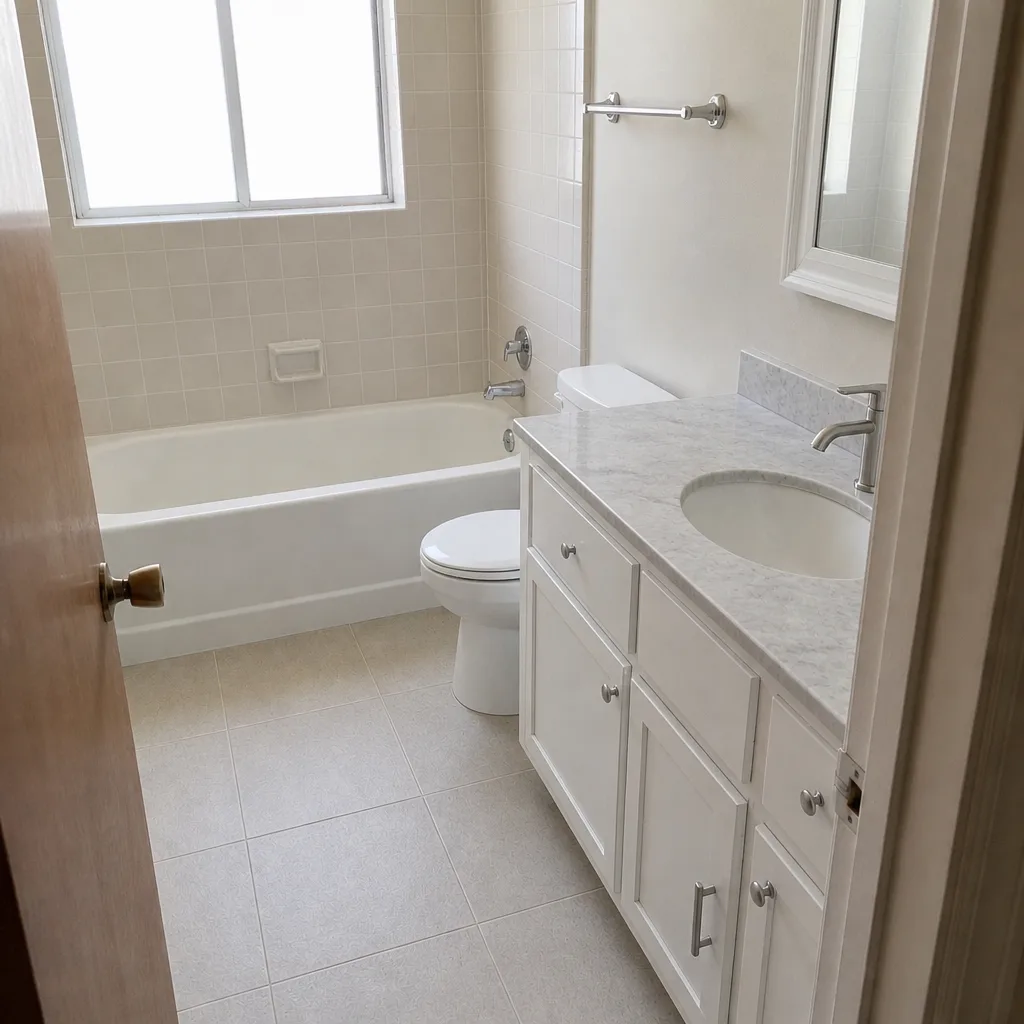 After
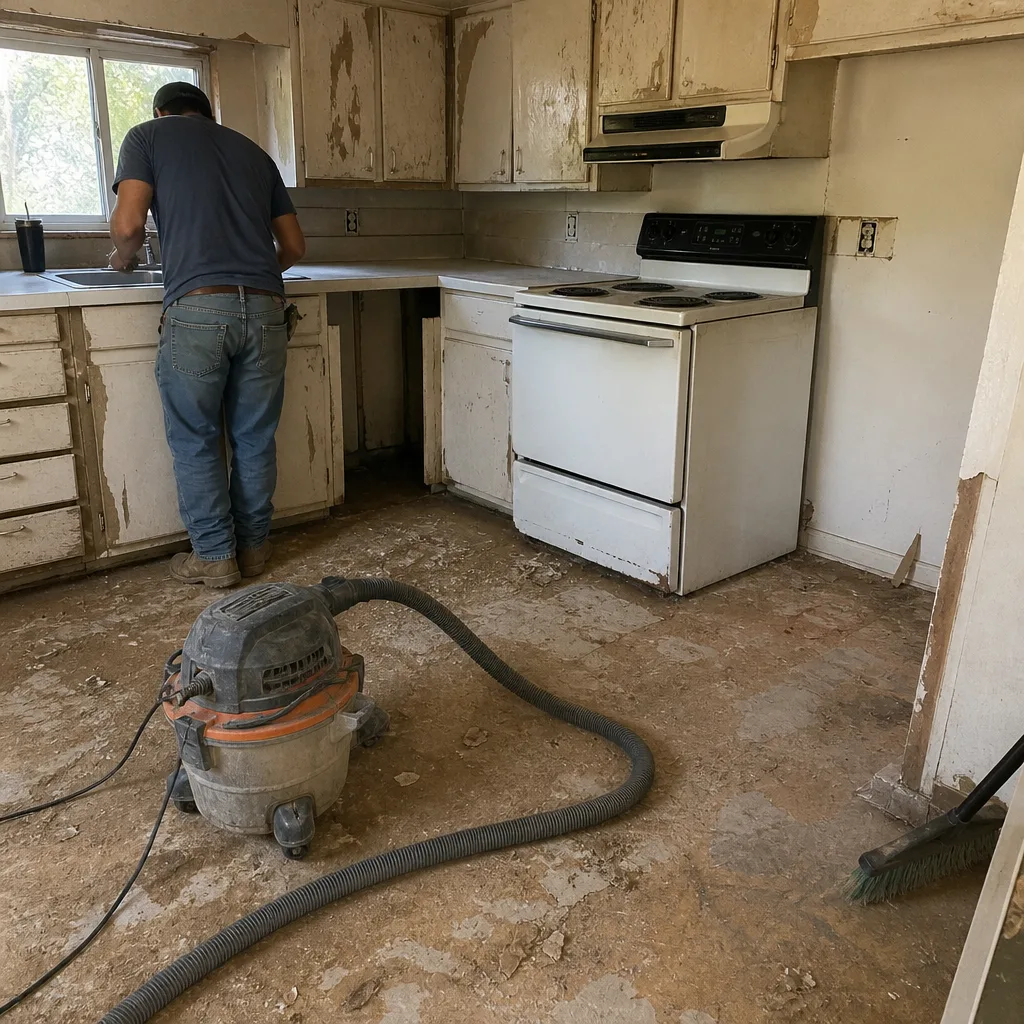 Before
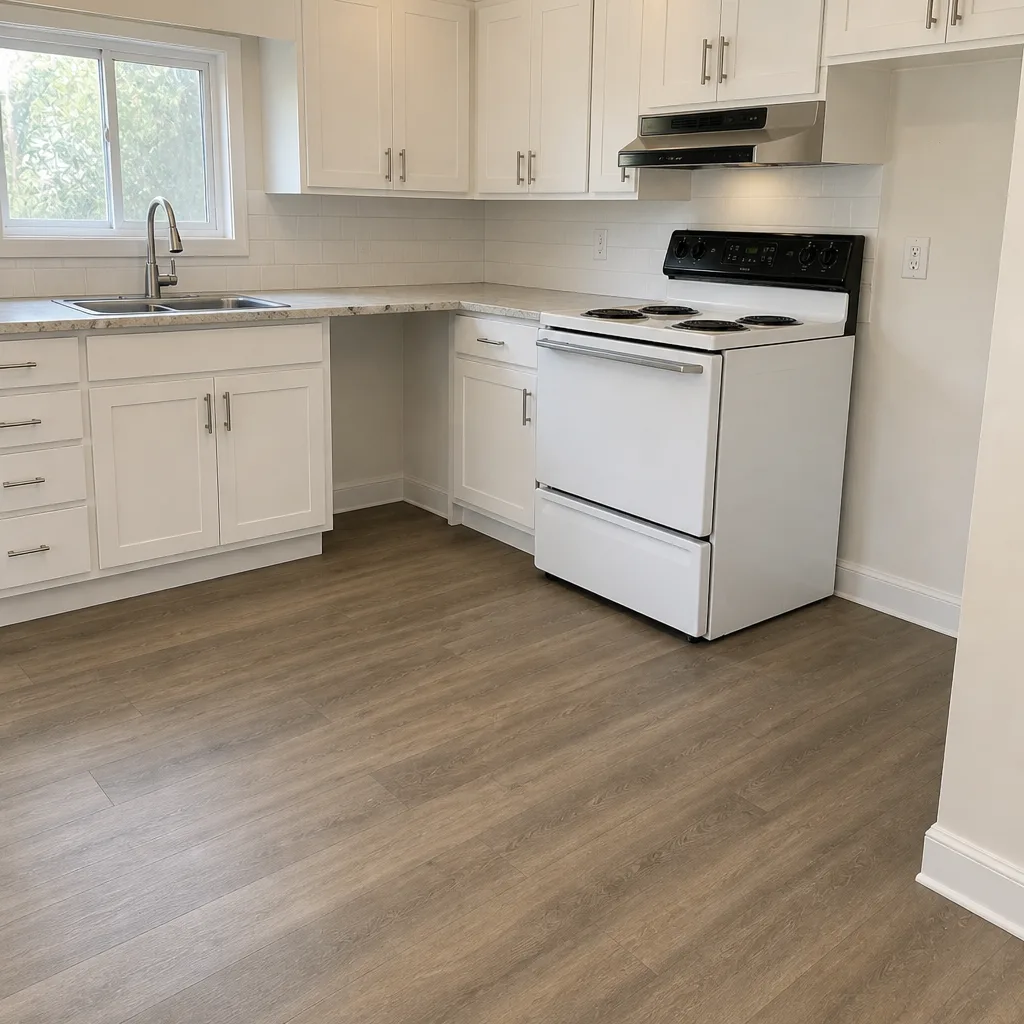 After
When to Call a Professional
Call a professional when the work touches the structure, the roof, electricity, gas, plumbing, or the perimeter of your property, no matter how small the project looks on paper. A single roof leak over a bedroom ceiling is a structural concern, not a handy one. A fence line that needs setting with concrete footings, a driveway replacement that involves the base and drainage, and a home addition all carry real permit and structural consequences if they’re done by the wrong hands. Grand Prairie building code and inspection requirements apply to most remodels and additions, so the person doing the work needs to be the person who understands them.
Construction Grand Prairie offers free written estimates for Grand Prairie projects in all seven service categories – roofing, windows and doors, fencing, driveway and pavers, home additions and ADU, bathroom remodeling, and kitchen remodeling. Call (844) 771-4071. We answer 24/7. Fast dispatch from 7am to 7pm, Sunday through Friday. Our technicians have up to 10 years of experience, and the local professional who does your work is licensed and insured as the state requires.
Frequently Asked Questions

Ask for the license number in writing, then look it up directly on the TDLR website and confirm the name on the license matches the name on your contract. Plumbing work is licensed through the Texas State Board of Plumbing Examiners. If the license doesn’t check out or the contractor can’t produce the number, walk away and call (844) 771-4071 for a free estimate from our fence installation team or any trade you need.
Costs vary too much by scope to quote a single number – a bathroom remodel and a roof replacement live in completely different ranges, and even the same project can swing significantly with material choices. The written estimate is what sets the final price on our jobs, and the estimate is always free. Call (844) 771-4071 to schedule yours.
Not on a properly scoped project. The price changes only when the scope changes, which is why the written scope has to name every material, task, and exclusion up front, and why the contract needs a written change-order process with pricing before any change work begins. If a bid comes in significantly lower than another, ask what it left out of the scope. Call (844) 771-4071 for a written estimate that won’t shift on you.
Yes, and you should expect every contractor you hire to pull permits in their own name for any scope that requires them. Permits are what get the work inspected and the inspection is your independent confirmation the work meets code. If a contractor wants you to pull the permit yourself or suggests starting before the permit is issued, that’s a serious red flag. Call (844) 771-4071 to talk through the permit path for your project.
Timelines depend on scope, permitting, and inspection schedules, not on the size of the company doing the work. A bathroom remodel and a full home addition run on completely different clocks. What matters more than a promised finish date is a phased timeline written into the scope, so you know when each phase should start and when payments are due. Call (844) 771-4071 for a project-specific timeline on your free estimate.
There’s no fixed legal percentage in Texas, but a small mobilization deposit at signing and milestone payments tied to completed, inspected phases is the structure that protects you. Ask for a schedule where the majority of the money moves after the work does. Any contractor asking for cash or a large upfront payment before work starts is asking you to carry the risk. Call (844) 771-4071 if you want to compare a typical payment structure for your project.
Only if you normalize the scope first, meaning both bids name the actual product, model, and line. A bid for “roofing” can’t be compared to one for a GAF Timberline system any more than “cabinets” can be compared to a specific KraftMaid door style. Ask each contractor to rewrite their bid with named products, or walk through the comparison with us on a free estimate by calling (844) 771-4071.
The Bottom Line
Hiring a contractor in Grand Prairie comes down to verification and documentation. Verify the license with TDLR, confirm the insurance certificate from the carrier, and check for recorded liens before anyone touches your home. Then make sure the scope names products, dimensions, permits, and exclusions in writing, and that the payment schedule ties money to milestones instead of promises. A single full-scope contractor who handles the roof, windows, kitchen, bath, and driveway under one contract cuts the number of schedules you have to juggle and the number of change orders you can be handed. That’s not a sales pitch for one company; it’s a working description of where projects go wrong and how to keep them on track.
Construction Grand Prairie offers free written estimates across every category we handle – roofing, windows and doors, fencing, driveway and pavers, home additions and ADU, bathroom remodeling, and kitchen remodeling. Call (844) 771-4071. We answer 24/7. Fast dispatch from 7am to 7pm, Sunday through Friday. The local pro assigned to your job is licensed and insured as the state requires, and our technicians have up to 10 years of experience.
Written by the team at Construction Grand Prairie.