Last updated November 18, 2026






Free written scope consultation - allowances, timeline, and change-order rules on paper before a single trade is scheduled
Seasonal Construction Care for Grand Prairie: Year-Round Homeowner’s Guide
Most homeowners here think of maintenance as a spring thing. That’s the wrong calendar. The window between February and April is when Grand Prairie homeowners should be up on roofs and clearing gutters, and it has nothing to do with winter damage. Hail season peaks in April and May. You want a documented baseline inspection of your roof, flashing, and gutters on file before a storm gives an insurance adjuster a reason to question what was already worn. This guide walks through the full year in Grand Prairie, one phase at a time: what the heat does to concrete and sealant, how to keep clay soil from cracking your foundation, what to check before a North Texas ice event, and how a contractor’s seasonal walkthrough covers ground a standard home inspection cannot. The calendar here is a schedule, not a suggestion.
Quick Answer
Seasonal construction care in Grand Prairie follows a two-hazard year: a storm season peaking in April and May and a heat season of 100°F+ stretches that punishes concrete, asphalt, and exterior sealant. The work that matters most is a pre-storm roof and gutter inspection in late winter, summer attention to driveway and paver joints, fall foundation hydration with soaker hoses around the perimeter, and winter checks on pipe exposure points, roof flashing, and caulk rated for cold application. Doing each task in its phase prevents the expensive failures, and doing them out of order usually wastes the effort.
Styles & brands we work with
- Kitchen remodeling
- Bathroom remodeling
- Home additions & ADU
- Roofing
- Windows & doors
- Driveway & pavers
- Fence
Table of Contents
- Spring Pre-Storm Checklist: Roof, Gutters, and Caulk Before Hail Season
- Summer Heat and Your Concrete, Asphalt, and Sealant
- Fall Foundation Hydration: Soaker Hoses and Clay Soil
- Winter Prep Specific to North Texas
- How a Seasonal Walkthrough Differs from a Home Inspection
- Driveway and Paver Care Across the Year
- Fence and Exterior Finish Maintenance by Season
- The Grand Prairie Maintenance Calendar at a Glance
Spring Pre-Storm Checklist: Roof, Gutters, and Caulk Before Hail Season
Late February into March is the calm before the hail. April and May are when the big storms roll through Grand Prairie, and the work you do before them decides how much a storm actually costs you. The goal is a documented baseline: a record of what your roof looked like before the storm, so a later claim is about storm damage and not about wear that was already there. That distinction matters when an adjuster reviews a claim.
Here’s the pre-storm checklist we walk through on Grand Prairie homes:
- Inspect roof decking and shingles from a safe vantage. Look for lifted, curled, or missing shingles and any soft spots that suggest decking problems. Check the condition of the shingle field across the whole roof, not just what’s visible from the driveway.
- Check gutter fasteners and hangers. A gutter that’s pulling loose at the fascia won’t survive a heavy rain load. Tighten or replace hangers and confirm the gutter is pitched toward the downspouts.
- Clear downspouts and confirm drainage away from the foundation. Water pooling at the base of the wall is the start of foundation trouble, and clay soil makes it worse.
- Assess exterior caulk at windows, doors, and penetrations. Any caulk that’s cracked, shrinking, or pulling away is a leak path. Replace it before the rain finds it.
- Photograph everything. Keep dated photos of the roof, gutters, and caulk lines. That file is your baseline if a storm hits.
If your roof is due for replacement, this is the time to plan it, not after a storm. We install complete roofing systems from GAF, CertainTeed, and Owens Corning, and there’s real value in getting a new roof on before hail season rather than repairing a storm-damaged one in the middle of it. Our technicians have up to 10 years of experience reading the difference between age and impact.
Summer Heat and Your Concrete, Asphalt, and Sealant
Grand Prairie summers aren’t just hot, they’re sustained. Long stretches above 100°F push concrete, asphalt, and exterior sealant past the timelines the manufacturers publish. Sealant that’s rated for a few years of Texas sun can fail faster when the surface it’s bonded to is routinely too hot to touch, and asphalt driveways soften and rut under the same conditions. The heat doesn’t just age these surfaces, it accelerates the aging.
What to watch in the summer phase:
- Driveway sealant. Sealcoat breaks down faster under sustained heat and UV. Check for areas that are chalky, thinning, or showing the aggregate underneath, and reseal before the surface starts to oxidize.
- Concrete slabs and joints. Expansion joints that are packed with debris stop doing their job. Clean them and refill where needed so the slab has room to move with the heat.
- Paver joints. Joint sand washes and blows out over the season. Refilling joints keeps the pavers locked and stops them from shifting.
- Caulk and window seals. Sun-facing walls take the worst of it. Inspect caulk on the south and west sides and replace anything that’s dried out.
If a driveway has reached the end of its useful life, mid-summer is a fine time to plan a replacement. Our driveway & pavers work uses engineered systems from Belgard, Unilock, Techo-Bloc, Tremron, and Cambridge Pavers, all of which carry documented load ratings and longevity that asphalt simply doesn’t match in this heat.
Fall Foundation Hydration: Soaker Hoses and Clay Soil
Fall is when the clay soil under North Texas homes does its most damage. Grand Prairie sits on expansive clay that swells when wet and shrinks when dry. Through the summer, the soil under and around your foundation dries out and contracts. When fall arrives and the rains return, the soil reabsorbs water unevenly, and that’s where the cracks start. The fix is steady, even moisture through the dry stretch, not a flood when it’s convenient.
A soaker hose is the simple tool for this. Here’s how to run a fall hydration protocol:
- Lay soaker hose 12 to 18 inches from the foundation along the perimeter, looping around corners and following the wall line.
- Run it slowly, not deeply. The goal is to keep the soil moisture even, not to soak it. Short, frequent cycles are better than one long soak.
- Watch for cracks in the slab, driveway, and walls. Hairline cracks are normal as the soil moves. Cracks that widen are a signal the soil is drying unevenly and the moisture needs adjusting.
- Keep gutter downspouts discharging well away from the house. A downspout that dumps water right at the foundation defeats the hydration plan on the wet days.
- Check the driveway and walkway edges. Soil shrinkage pulls away from the concrete edge, and that gap is where water gets in and starts erosion.
Fall is also a good time to get the exterior envelope in shape before cold weather. We handle fence installation using commercial-grade lines from Master Halco and Ameristar, and a fence repaired or replaced in the fall holds up better through the winter wind than one that’s already leaning.
Winter Prep Specific to North Texas
North Texas winters are mild but unpredictable. That’s the problem. A Grand Prairie winter can bring a hard freeze one week and 70°F the next, and the swings are harder on a house than a steady cold would be. The prep that matters is targeted: pipe exposure, roof flashing, and caulk that’s rated to cure below 40°F. Caulk that cures at summer temperatures simply won’t bond in a cold snap, so a repair done wrong in winter fails in spring.
Winter prep priorities:
- Pipe exposure points. Insulate or wrap pipes in unheated spaces: garages, crawlspaces, and any exterior wall runs. A hard freeze in Grand Prairie can find the one exposed run you forgot.
- Roof flashing checks. Flashing around chimneys, skylights, and wall intersections is where ice and wind-driven rain get in. Check that it’s sealed and that the sealant is pliable, not cracked.
- Caulk rated for cold application. If you’re doing exterior sealing in winter, use a caulk that cures below 40°F. Standard caulk will look fine and fail silently.
- Gutter and downspout check before a freeze. Standing water in a gutter that freezes can pull the whole run loose from the fascia.
- Windows and doors. Check weatherstripping and thresholds. A gap that lets cold air in also lets water in during a driving rain.
If windows or doors are past their useful life, winter is a good time to plan a replacement for spring. We install PGT, CGI, ES Windows, ECO Window Systems, and Therma-Tru lines, and getting the selection right before the spring rush saves time later.
How a Seasonal Walkthrough Differs from a Home Inspection
A home inspection and a contractor’s seasonal walkthrough are not the same service, and they’re not interchangeable. A home inspection is a general, point-in-time evaluation of the home’s condition, typically tied to a real estate transaction or an annual review. An inspector is licensed to report on what they observe and flag defects, but they legally cannot diagnose the cause of a failure, recommend a repair method, or prescribe a fix. That line exists to protect you from a conflict of interest. A contractor’s walkthrough picks up exactly where the inspector has to stop.
What a contractor’s seasonal walkthrough covers that an inspection does not:
- Roof decking and shingle condition in detail. Not just “the roof shows wear,” but what’s worn, where it’s worn, and what to do about it before the next storm season.
- Gutter fasteners and drainage grading. Whether the gutter is correctly pitched, whether the fascia is sound, and where water is actually going.
- Caulk and sealant assessment by surface and exposure. Which caulk lines are failing, what the failure looks like, and what product belongs there.
- Paver and concrete joint condition. Whether the joints are intact, whether the slab has room to move, and whether the surface can be resealed or needs replacement.
- A documented baseline for insurance. Dated photos and notes that establish the pre-storm condition of the roof and exterior.
That last point is the reason we push the spring walkthrough so hard in Grand Prairie. A documented baseline before the April and May storms is the difference between a claim that moves and a claim that gets picked apart.
Driveway and Paver Care Across the Year
Your driveway is the hardest-working surface on the property. It takes the sun, the rain, the heat, and the traffic, and in Grand Prairie the heat is the main event. The care schedule for a driveway depends on what it’s made of. Asphalt needs sealcoat and quick attention to cracks. Concrete needs joint maintenance and crack repair before water gets under the slab. Pavers need joint sand and periodic re-leveling of any that have shifted.
A year of driveway care looks like this:
- Spring: Inspect for winter damage and clean out joints. Look for any crack that has widened.
- Summer: Reseal asphalt or refill paver joints before the peak heat. Watch for soft spots or rutting on asphalt.
- Fall: Check the soil-to-concrete edge for shrinkage gaps and erosion. Clear debris from joints.
- Winter: Keep the surface clear of standing water and check for new cracks after any freeze.
When a driveway reaches replacement age, the decision is worth taking seriously. A paver system from Belgard, Unilock, or Cambridge Pavers handles this climate better than asphalt and holds its appearance longer. Our Construction Grand Prairie team can walk the surface and give you a clear picture of repair versus replacement before you commit.
Fence and Exterior Finish Maintenance by Season
Fences take a beating in Grand Prairie. Between the summer heat, the spring storms, and the clay soil that shifts under the posts, a fence that looks fine in March can be leaning by June. The right maintenance schedule keeps it standing and keeps the exterior finish on the house in good condition. Fence care and exterior finish care share one rule: fix the small thing before it becomes the expensive thing.
- Spring: After the storms, check posts for movement and boards for wind damage. Look for rot at the base of wood posts, where water sits.
- Summer: Re-stain or repaint wood fences before the UV does its work. Check metal fence hardware for rust and looseness.
- Fall: This is the season to repair or replace a fence. Cooler weather is easier on the install and the material, and it’s before winter wind puts stress on a weak run.
- Winter: Check gate hardware, hinges, and latches. A gate that’s out of alignment in fall gets worse in winter wind.
For a fence that’s due for replacement, we install from Master Halco, Ameristar, Jerith, Barrette, Bufftech, and ActiveYards, all commercial-grade suppliers with track records long enough to matter. Pairing fence work with exterior finish repair in the same season is also the practical move, since both live on the same property lines and the same exterior exposure.
The Grand Prairie Maintenance Calendar at a Glance
Here is the whole year in one place. Keep this list and work it in order.
| Season | Priority Task | Why It Matters Here |
|---|---|---|
| Late winter (Feb-Mar) | Roof, gutter, and caulk baseline inspection | Document condition before April and May hail season |
| Spring (Mar-May) | Storm damage check and drainage review | Peak hail months; water management protects the foundation |
| Summer (Jun-Aug) | Driveway sealant, paver joints, exterior caulk | 100°F+ stretches break down sealant faster than the label says |
| Fall (Sep-Nov) | Soaker hose hydration and exterior envelope repair | Clay soil shrinks through summer; even moisture prevents cracks |
| Winter (Dec-Feb) | Pipe exposure, roof flashing, cold-rated caulk | Hard freezes and rapid swings stress exposed systems |
The point of a calendar is that every task gets done in the season when it actually protects the house. A roof inspection in July misses the point. A caulk repair in January with the wrong product fails in March. Working the schedule in order is how a Grand Prairie homeowner stays ahead of the two dangerous seasons instead of reacting to them.
If your home needs work across more than one phase, that’s where a single contractor becomes practical. We handle roofing, windows and doors, driveway and pavers, fencing, home additions and ADU work, kitchen remodeling, and bathroom remodeling, which means the exterior, the structure, and the interior can be sequenced under one timeline and one point of accountability. Kitchen and bath projects draw from KraftMaid and Wellborn cabinetry and Cambria, Silestone, and Caesarstone surfaces, with Kohler and Moen fixtures, so the finish work matches the material access on the exterior. Our technicians have up to 10 years of experience across those trades.
Common Mistakes to Avoid
- Waiting for a storm to inspect the roof. If the first time anyone looks at your roof is after hail, you have no baseline. An adjuster will treat pre-existing wear as storm damage you’re trying to claim.
- Sealing asphalt in the peak of summer. Sealcoat applied when the surface is too hot doesn’t cure properly and fails early. Read the product’s temperature guidance and wait for the right window.
- Skipping fall hydration because it rained once. One rain shower in Grand Prairie doesn’t rehydrate clay soil evenly. A soaker hose run slow and steady beats a downpour every time.
- Using standard caulk in a winter repair. Caulk that cures at summer temperatures won’t bond below 40°F. It looks sealed and fails by spring.
- Letting gutter fasteners loosen all season. A gutter pulling away at the fascia is a rain-load failure waiting to happen, and the fascia damage behind it is more expensive than the hanger replacement.
- Treating a home inspection as seasonal maintenance. An inspector flags defects but can’t diagnose or prescribe a repair. That’s the contractor’s walkthrough.
- Piercing the budget by piecemealing trades. When the roof, driveway, fence, and exterior finish all need attention in the same season, separate contractors cost more in coordination than the work itself.
See the difference
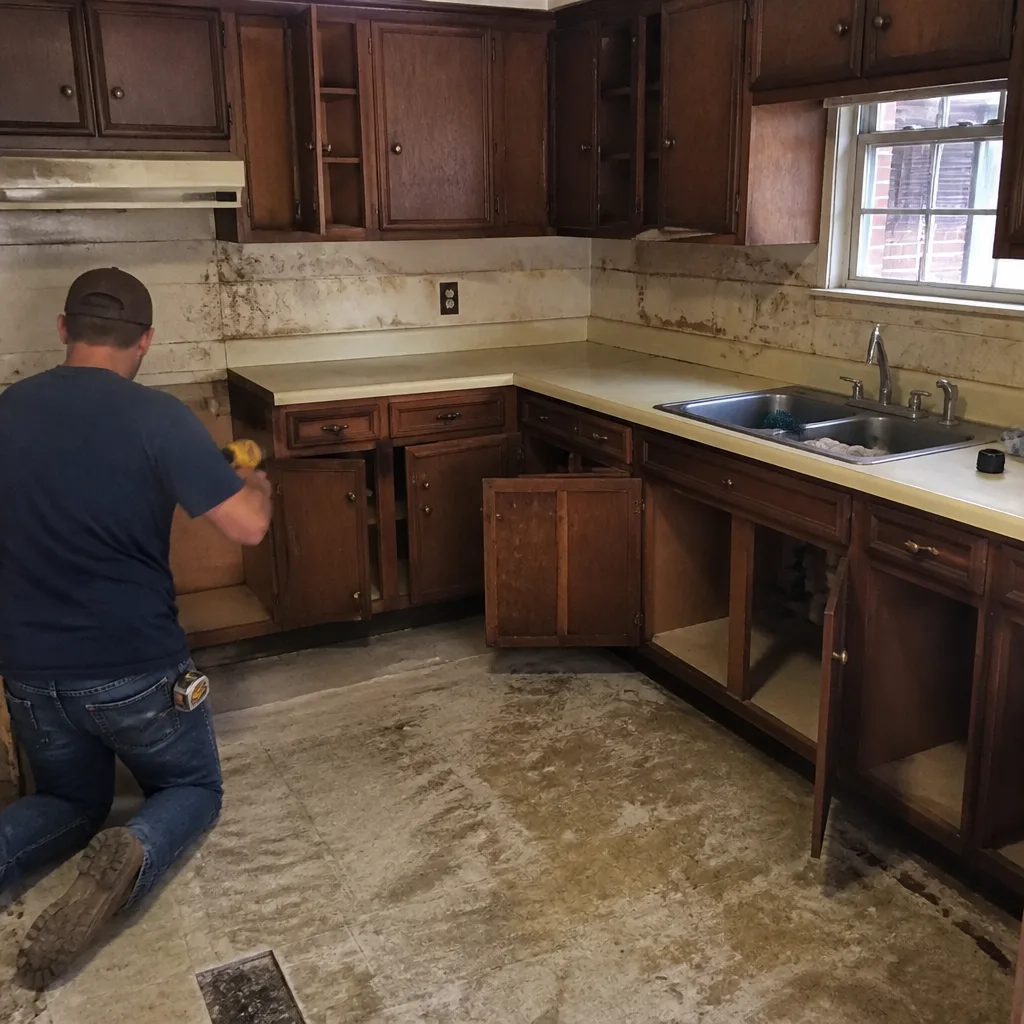 Before
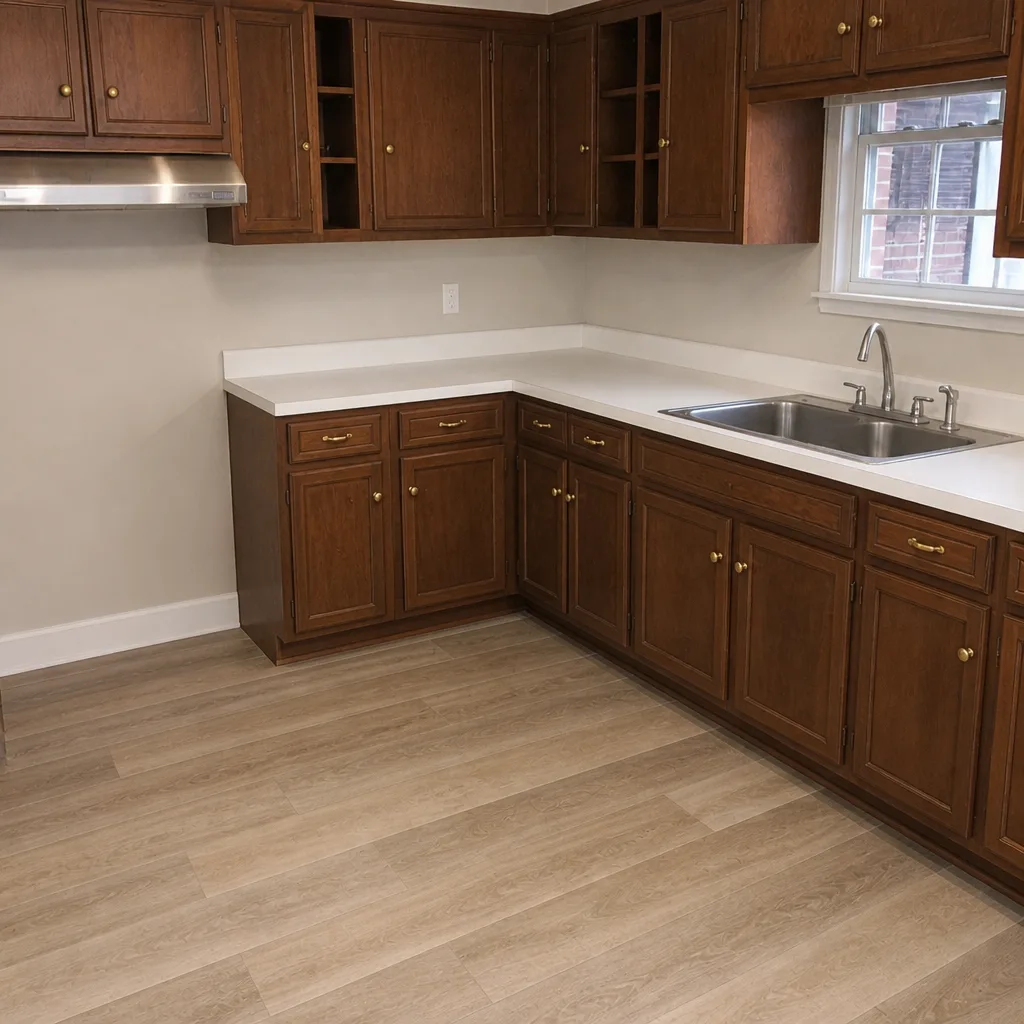 After
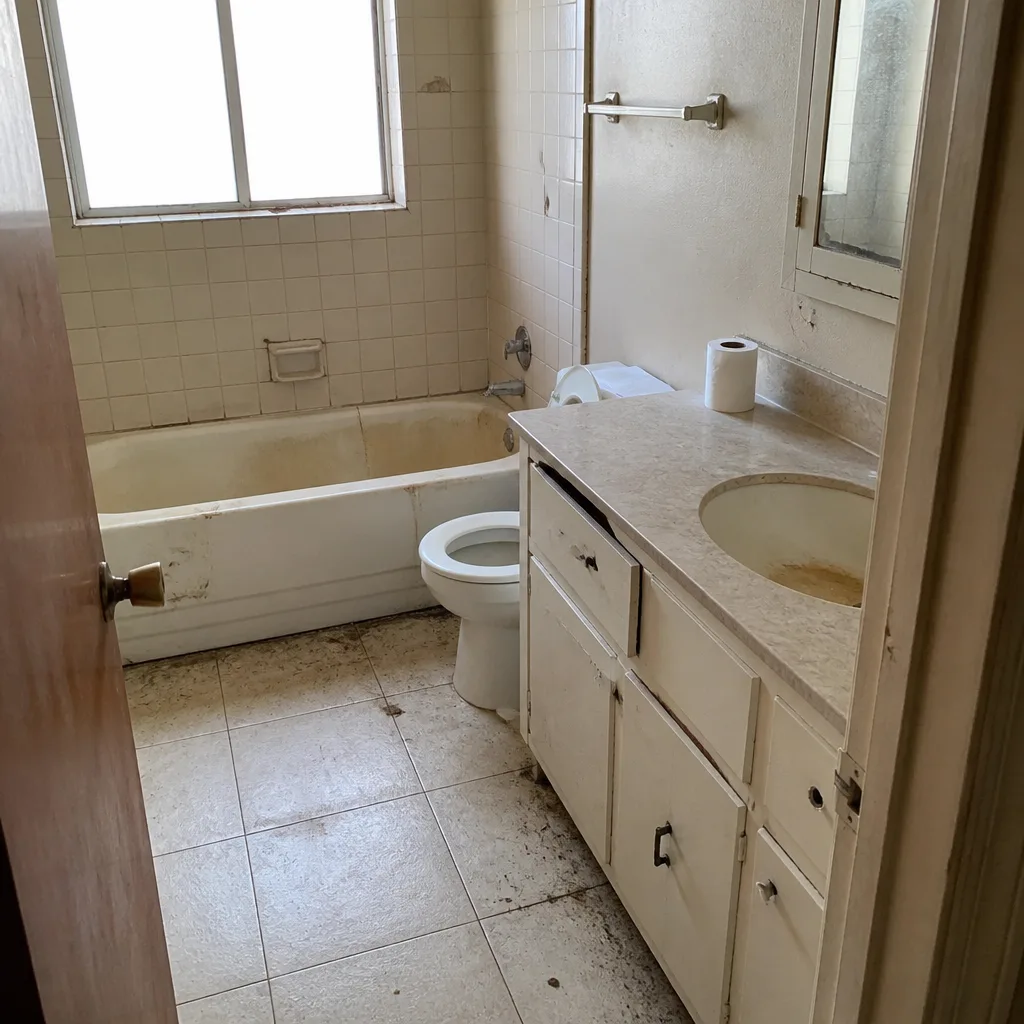 Before
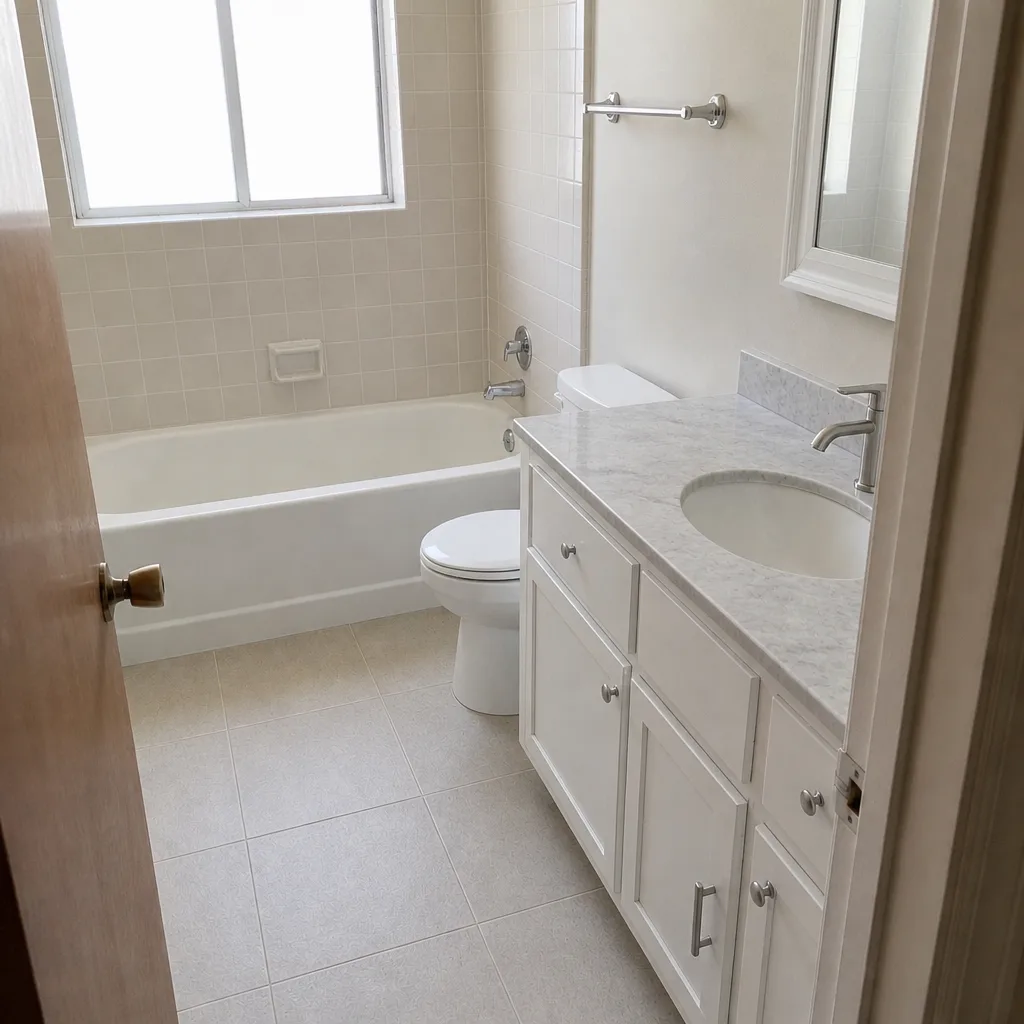 After
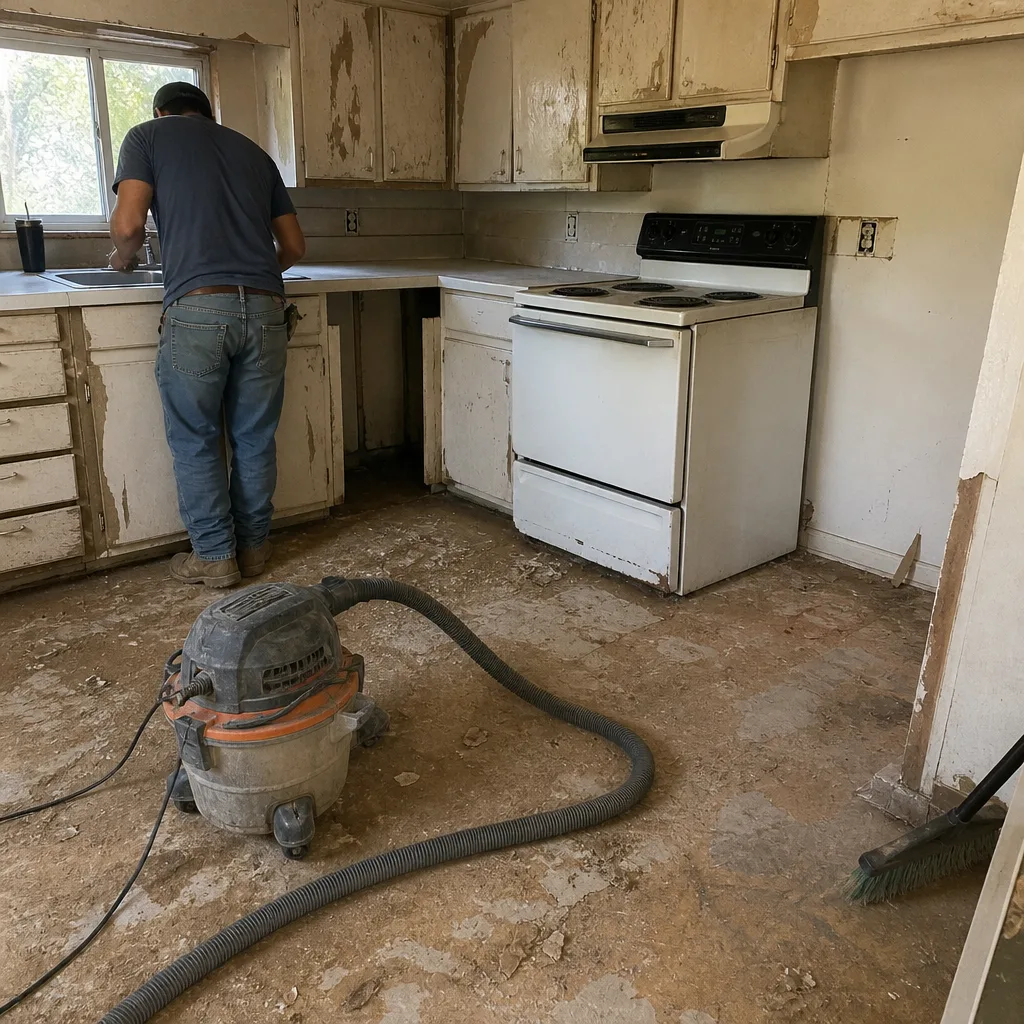 Before
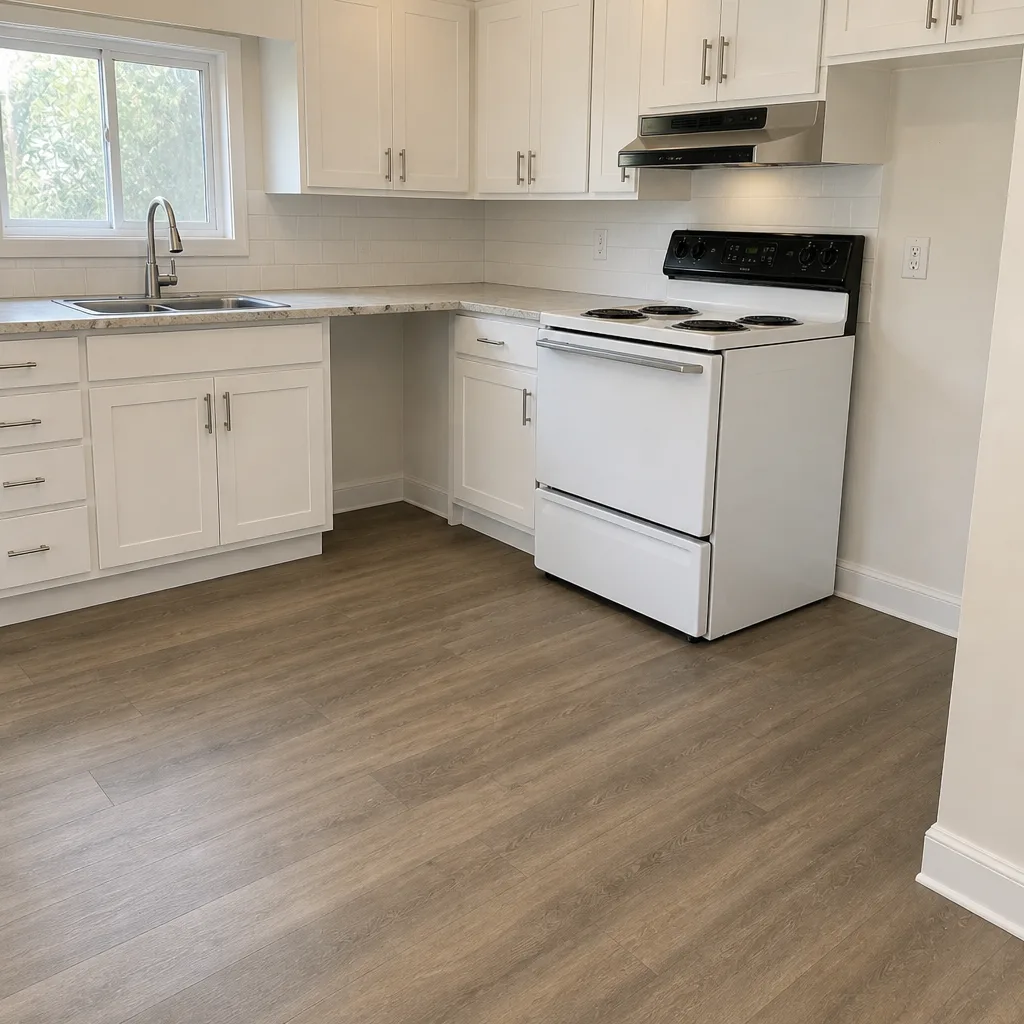 After
When to Call a Professional
Some seasonal tasks are homeowner jobs: clearing debris, running a soaker hose, checking caulk lines by eye. Others need a trained technician. Call us when a roof inspection needs to be done safely and documented, when you’re not sure whether a driveway can be resealed or needs replacing, when a foundation crack is widening, when a fence has posts that have moved, or when a storm has done damage you need assessed before you file a claim. Roof and height work in particular is not a place to improvise; the risk of a fall isn’t worth the savings. Construction Grand Prairie offers free estimates in Grand Prairie. Call (844) 771-4071. We answer 24/7. Fast dispatch from 7am to 7pm, Sunday through Friday.
Frequently Asked Questions

Late February through March, before the April and May hail season. A documented baseline inspection before the storms gives you a record of the roof’s pre-storm condition, which is what an insurance adjuster actually needs. Call (844) 771-4071 for a free estimate.
Because of the sustained summer heat. Long stretches above 100°F push sealant past the manufacturer’s timeline, and a surface that stays too hot to touch breaks the product down faster than the label assumes. Reseal before the surface oxidizes. Call (844) 771-4071 for an exact quote; estimates are free.
With a soaker hose laid 12 to 18 inches from the foundation around the perimeter, run in short, frequent cycles. The goal is even clay soil moisture, not a soak. Clay soil shrinks through the summer, and steady hydration through the dry stretch is what prevents cracks. Call (844) 771-4071 for a walkthrough if you’re seeing cracks widen.
Yes, but only with caulk rated to cure below 40°F. Standard caulk fails below that temperature, looks sealed for a while, and then lets water in by spring. We check exposure and spec the right product for the temp. Call (844) 771-4071 for a free estimate.
A home inspector reports on the home’s condition but legally cannot diagnose a failure or prescribe a repair. A contractor’s walkthrough does both: it names what’s wrong, why, and what product or method belongs in the fix. Call (844) 771-4071 to schedule one.
A walkthrough of a typical Grand Prairie home covers the roof, gutters, exterior caulk, driveway, and fence line, and usually completes in a single visit. The written findings and dated photos are what makes the visit useful. Call (844) 771-4071. We answer 24/7, with fast dispatch from 7am to 7pm, Sunday through Friday.
The Bottom Line
Grand Prairie’s calendar has two dangerous seasons and two windows to get ready for them. The work that protects your home is a late-winter roof and gutter baseline before hail season, summer attention to sealant and paver joints under sustained heat, fall hydration of the clay soil with soaker hoses, and winter prep on pipe exposure, roof flashing, and cold-rated caulk. Done in order, the schedule keeps small maintenance from becoming major construction. Done out of order, or skipped entirely, it becomes a repair bill. A contractor’s walkthrough covers the ground an inspector can’t, and a documented baseline before a storm is worth more than the inspection itself.
Construction Grand Prairie handles the full scope under one contract: roofing, windows and doors, driveway and pavers, fencing, home additions & ADU work, and the kitchen and bathroom remodeling that keeps the interior of a Grand Prairie home matching the exterior investment. One contractor, one timeline, one point of accountability. Call (844) 771-4071 for a free estimate. We answer 24/7. Fast dispatch from 7am to 7pm, Sunday through Friday.
Written by the team at Construction Grand Prairie.