Last updated November 18, 2026
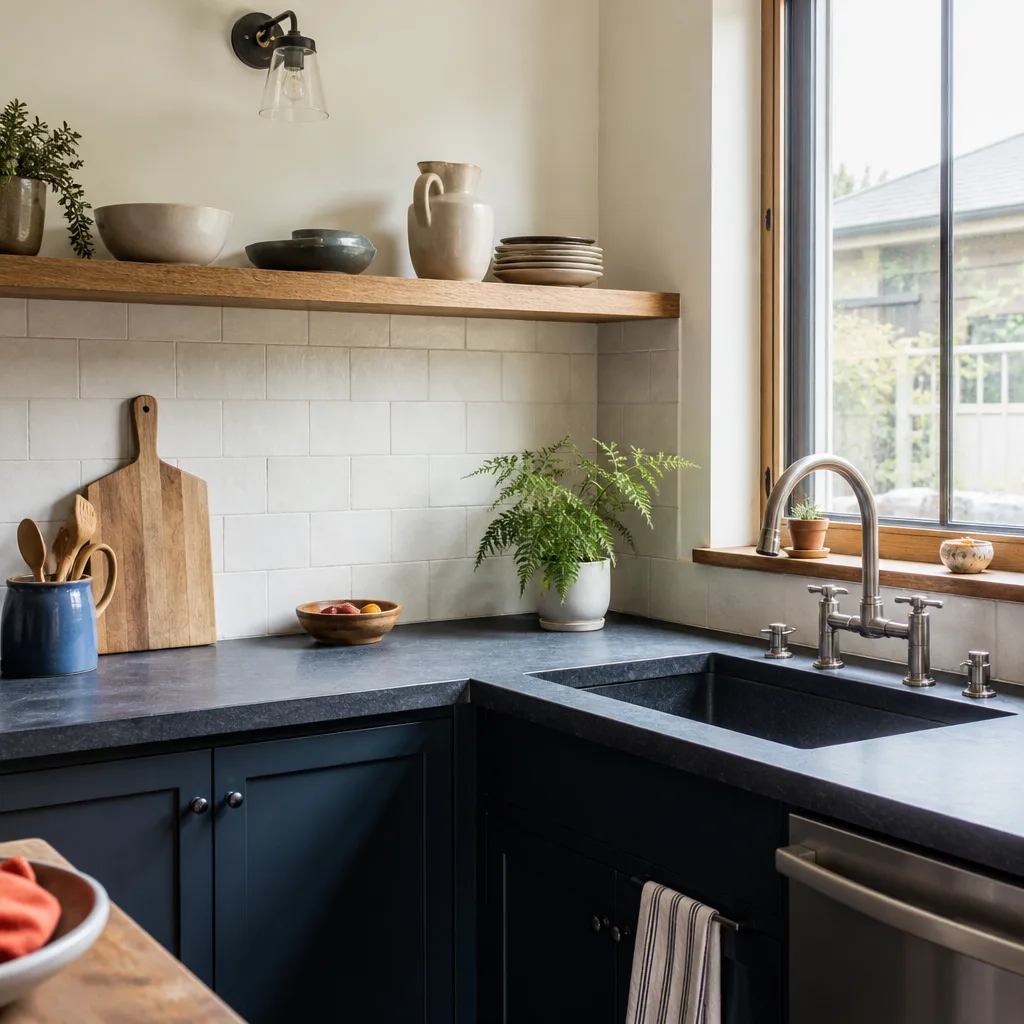
Free written scope consultation - allowances, timeline, and change-order rules on paper before a single trade is scheduled
DIY vs Professional Construction: The Grand Prairie Homeowner’s Decision Guide
Painting your own interior walls saves real money with almost no downside. Installing your own roof over a Grand Prairie home without the proper permit can put your insurance coverage at risk just when the next hail event arrives, and in North Texas hail is a statistical certainty, not a maybe. The decision isn’t about whether you’re handy. It’s about which projects have zero margin for error in Grand Prairie’s permit and insurance environment, and which ones genuinely reward a homeowner who wants to swing a hammer. This guide draws the line by project type, so you can spend your own sweat where it pays and bring in licensed trades where it protects you.
Quick Answer
In Grand Prairie, DIY makes sense for cosmetic and non-structural work like interior painting, demo, landscaping, and finish carpentry that touches no permit or warranty. It does not make sense for roofing, structural changes, electrical, gas, or plumbing rough-in, or anything that requires a permit and inspection. The dividing line is permit exposure and insurance risk, not skill. If a project will be inspected, disclosed at resale, or claimed on insurance, a licensed Texas professional belongs on the job.
Styles & brands we work with
- Kitchen remodeling
- Bathroom remodeling
- Home additions & ADU
- Roofing
- Windows & doors
- Driveway & pavers
- Fence
Table of Contents
- The Project-by-Project Decision Matrix
- How Permits and Inspections Change the DIY Question
- Certificate of Occupancy, Resale Disclosure, and DIY Work
- The Real Cost of DIY Mistakes in Structural, Roofing, and Plumbing Work
- Where Your Own Labor Can Legitimately Lower a Contractor’s Bid
- Why Hail Claims Make Roofing a Different Decision
- A Simple Way to Sort Any Project
- Common Mistakes to Avoid
The Project-by-Project Decision Matrix
Most homeowners ask “am I skilled enough?” That’s the wrong first question. The right one is “what happens if this goes wrong?” A botched paint job costs you a weekend and a new gallon. A botched roof deck costs you a claim denial. Sort your project by consequence first, then by skill.
Here’s how the common Grand Prairie projects break down:
Generally Safe for a Skilled Homeowner
- Interior painting, trim, and caulking
- Demo work before a remodel (with the contractor’s guidance on what’s structural)
- Landscaping beds, sod, and garden walls under knee height
- Swapping light fixtures and outlets on existing circuits (still check local rules)
- Cabinet hardware, shelving, and closet systems
- Pressure washing and exterior touch-up staining
Requires a Licensed Texas Professional
- Any roofing work, including patching and flashing
- Electrical panel work, new circuits, and anything beyond a fixture swap
- Gas line work of any kind
- Plumbing rough-in and drain line changes
- Structural changes: load-bearing walls, headers, foundation work
- Home additions, ADUs, and anything that changes the footprint
- Window and door replacement where the rough opening changes
The middle zone is where people get hurt. Replacing a faucet or hanging a door is a reasonable DIY job. Replacing a window with a different size opening, or moving a fence line that borders a neighbor, drags in code and property line questions that a homeowner isn’t equipped to answer alone. If you’re adding livable square footage, this is a good point to look at home additions & ADU options before you commit to a DIY path.
How Permits and Inspections Change the DIY Question
A permit is not just paperwork. It’s a record that a licensed professional did the work to a known standard, and it’s the document your insurer and your buyer will ask about later. Most cities require a permit for structural, electrical, plumbing, gas, and roofing work, so ask Grand Prairie’s building department directly what your project needs before you start.
Here’s how permitting actually plays out:
- You apply as the homeowner. Many Texas cities allow a homeowner to pull a permit for work on their own primary residence. That doesn’t make you licensed, and it doesn’t shift liability off you.
- The work is inspected at stages. Framing, rough-in, and final inspections have to pass. If something fails, you’re the one who has to correct it and get reinspected.
- Inspections are public record. Your permit history follows the address. A future buyer can see exactly which projects were permitted and which weren’t.
- Unpermitted work becomes your problem at resale. Lenders and title companies can require you to fix or remove it, sometimes at your own cost, sometimes years later.
For Grand Prairie homeowners, the practical takeaway is simple: if a project needs a permit, hire a licensed trade. The permit process itself is designed around accountability, and that accountability is the whole point of hiring a professional in the first place.
Certificate of Occupancy, Resale Disclosure, and DIY Work
When you sell a Grand Prairie home, your disclosure form asks about unpermitted work and known defects. Getting this wrong doesn’t just cost you the sale; it can cost you a legal fight after closing. Texas requires sellers to disclose known material defects, and unpermitted construction is one of the most common things buyers uncover during inspection.
Here’s how DIY work interacts with resale and occupancy:
- Additions and ADUs need a certificate of occupancy. A converted garage or new living space without one can’t legally be counted as square footage, and that changes your listing price.
- Unpermitted structural work is a red flag for buyers. Inspectors flag it, buyers negotiate hard, and some lenders won’t finance the home until it’s corrected.
- Disclosure is not optional. If you know a project wasn’t permitted, you’re expected to say so. Hiding it is worse than doing it.
- County differences matter. Grand Prairie straddles Tarrant, Dallas, and Ellis counties, and permitting and disclosure requirements can vary by jurisdiction. Confirm where your property sits before you assume anything.
If you’re planning a project that adds square footage, permits aren’t a hurdle. They’re the thing that makes the new space real and sellable. For additions and ADUs, working through Construction Grand Prairie keeps the permit, inspection, and finish work under one contract, which keeps the paperwork coherent at resale.
The Real Cost of DIY Mistakes in Structural, Roofing, and Plumbing Work
This isn’t a scare section. It’s a plain look at what remediation usually involves when a homeowner project goes wrong, so you can weigh the risk honestly. When DIY goes sideways on these three categories, the fix is almost always more expensive than the original professional bid.
Structural Mistakes
The classic case is removing a wall that turned out to be load-bearing. That means a temporary shoring, a new header, new framing, drywall repair, paint, and, in many cases, a structural review before any of that can start. The remediation alone commonly runs many times the cost of installing the correct beam in the first place, and it’s a permit and inspection project on its own. If your plan touches framing, that’s the signal to call a professional.
Roofing Mistakes
Improperly installed flashing around a chimney or a valley is the most common DIY roofing failure. It doesn’t leak right away. It leaks a year later, after the manufacturer warranty has been voided by improper installation and after the homeowner has forgotten which weekend it was. By then the deck can be soft, the interior drywall is stained, and the repair covers roofing, framing, drywall, and paint. Roofing is also one of the most physically dangerous parts of construction, so leave the ladder work to trained technicians who do it every week.
Plumbing Mistakes
A poorly soldered joint or a mis-set drain line can leak inside a wall for weeks before anyone notices. The visible damage is the small part. Rot, mold, and subfloor repair are where the cost builds. Drain line changes also require inspection, and inspection is the only way to know it was done right before the wall closes.
The honest answer is that these aren’t reasons to be afraid of your own home. They’re reasons to know which categories you don’t enter without a license and a permit.
Where Your Own Labor Can Legitimately Lower a Contractor’s Bid
Homeowners often assume a contractor wants to do every part of the job. In practice, a well-run project has room for a homeowner who wants to contribute, and the labor you supply correctly can reduce the bid without putting the result at risk. The trick is to help in the places that don’t touch licensed scope.
Three Places You Can Help
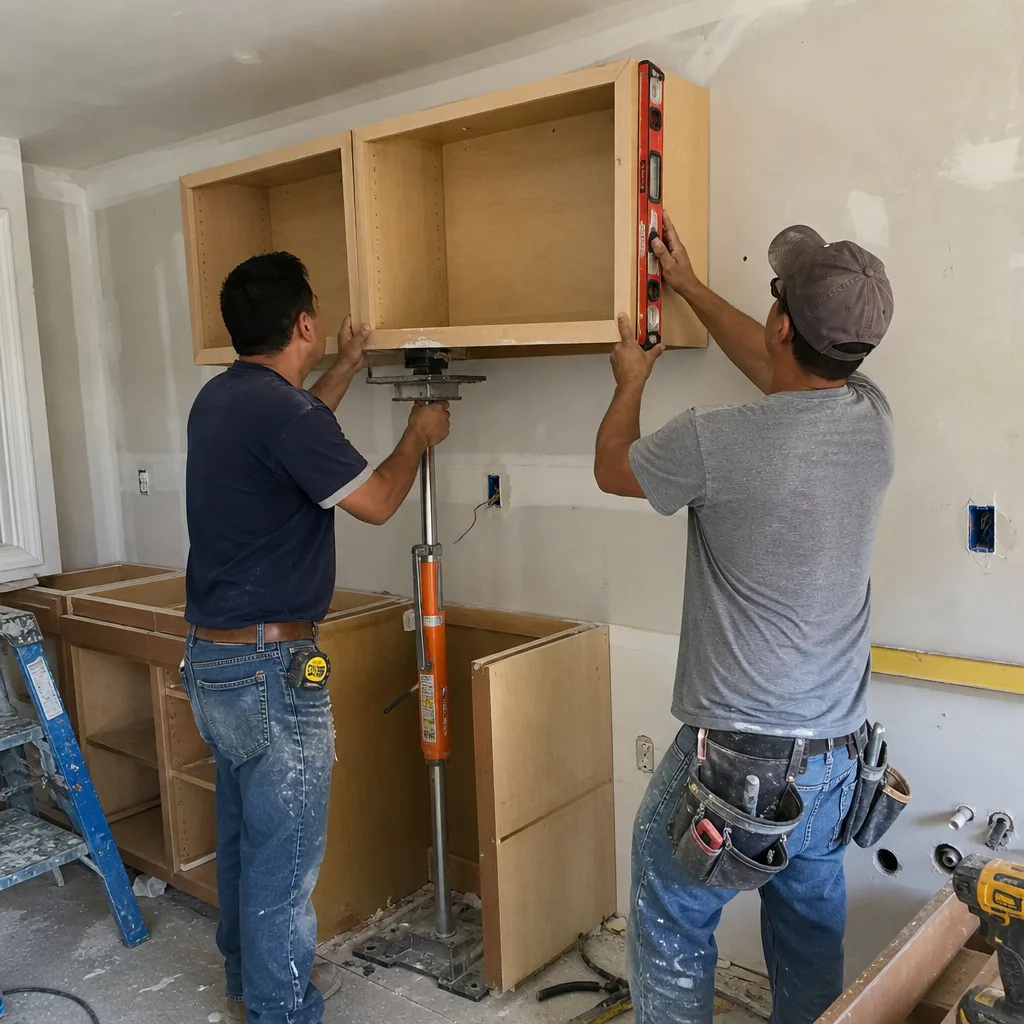
- Demo. Under a contractor’s direction, homeowners can often tear out cabinets, rip up carpet, remove old tile, or clear a space. Ask your contractor first which walls and floors are safe to disturb, and let them handle anything structural or hazardous.
- Material sourcing. If you’re set on a specific countertop or cabinet line, doing your own showroom visits and confirming availability can shorten the schedule and cut some of the coordination cost.
- Non-scope finish work. Interior paint, hardware, and final cleanup are commonly open to homeowner hands if you want them, especially after the trades have finished and the inspections are done.
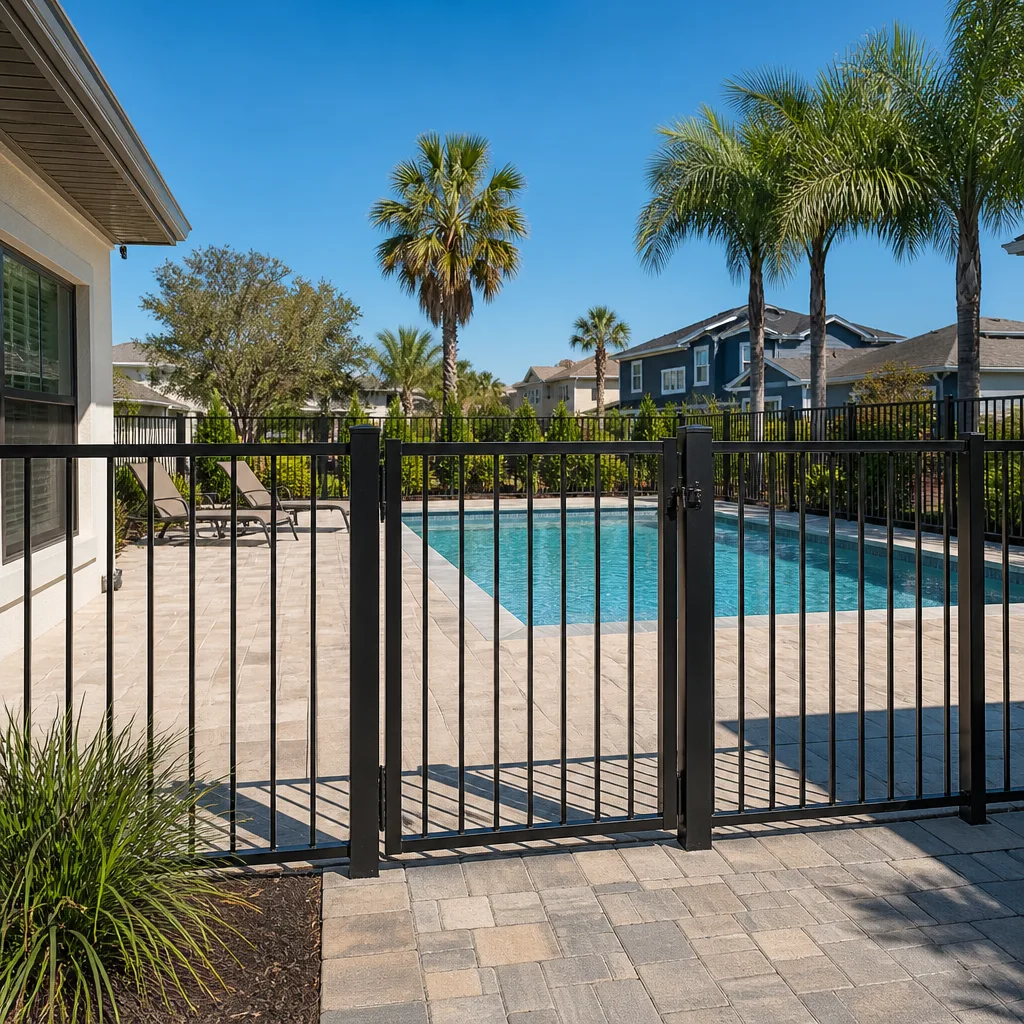
The flip side is just as important. Don’t help with electrical, gas, plumbing rough-in, roofing, or structural work to save money. Those are the areas where your own labor voids the value of hiring a professional. For exterior projects like driveway & pavers, homeowner labor rarely fits the schedule, since the base prep and paver setting are one continuous trade sequence. For fencing, the same principle applies: a homeowner can clear brush and mark lines, but posts, gates, and anchors are best left to the installer.
Why Hail Claims Make Roofing a Different Decision
Grand Prairie sits in one of the most active hail corridors in the country. Over a typical ownership period, most homeowners here will file at least one roof claim, and probably more. That changes the DIY calculation entirely. A roof installation isn’t just a covering over your house; it’s the record your insurer will evaluate after the next storm.
Three things tilt roofing decisively toward professional installation:
- Documentation. A licensed roofer provides a permit, an inspection record, and a manufacturer warranty. When you file a claim, that record is the difference between a clean adjuster review and a fight.
- Workmanship warranties. Manufacturer warranties on systems like GAF, CertainTeed, and Owens Corning depend on installation by an authorized installer. A homeowner-installed roof typically voids that coverage.
- Adjuster credibility. Adjusters see a lot of roofs, and a professional installation reads as professionally installed. A homeowner’s weekend job doesn’t. That affects the claim.
None of that is scare language. It’s a straight reading of how claims actually work in a hail market. If you’re going to own a home in Grand Prairie long term, hiring a licensed roofer is one of the smartest economics decisions you’ll make. And it’s why the roof is one of the few exterior projects that should be off the DIY table from the start.
A Simple Way to Sort Any Project
When you’re staring at a project and can’t decide, run it through these four questions in order. If you get a “yes” on any of the first three, call a licensed professional before you touch anything.
- Does it need a permit? If yes, professional.
- Does it touch a system the insurer or an inspector cares about? Roofing, electrical, gas, plumbing rough-in, structural, foundation. If yes, professional.
- Would a mistake need a licensed trade to fix? If yes, the cost of the mistake is on you either way, so get the licensed trade on the job from the start.
- Does it only change surfaces or finishes? Paint, trim, hardware, landscape, finishes. If yes, that’s your homework, and it’s the work you can price yourself with confidence.
The homeowners we see get the best results follow this list honestly. They do the safe work themselves, they hire out what needs licensing, and they don’t waste money redoing a job that never should have been DIY. A small amount of extra cost up front on the licensed portions saves a lot of repair cost later.
Common Mistakes to Avoid
- Skipping the permit because it’s “just patching.” In Grand Prairie, roofing and structural patches still need a permit in most cases, and a failed inspection can cost more than the original bid.
- Voiding a manufacturer warranty to save labor. Roofs and windows carry warranties from brands like GAF, CertainTeed, and Therma-Tru that typically depend on professional installation. Saving a day of labor to lose years of coverage is a losing trade.
- Treating your disclosure as an afterthought. Buyers and inspectors will ask about unpermitted work. Disclose it honestly and keep records; hiding it creates a much bigger problem than the original project did.
- Assuming you can pull a permit for anything. Grand Prairie, and the county that governs your specific address, may limit what a homeowner can permit on their own home. Ask before you buy materials.
- Getting the demo wrong. Tearing into walls without a contractor’s go-ahead is how load-bearing framing comes out by accident. If a wall is coming down, get the plan reviewed first.
- Filing a hail claim without documentation. A DIY roof with no permit, no inspection record, and no manufacturer warranty is a much harder claim than a professionally installed one. Get a licensed roofer in before the storm, not after.
- Buying finish materials before scope is set. Sizes, quantities, and lead times for cabinets, counters, and fixture lines need to align with the actual bid. Choose after the estimate, not before, so you’re not paying return freight on the wrong material.
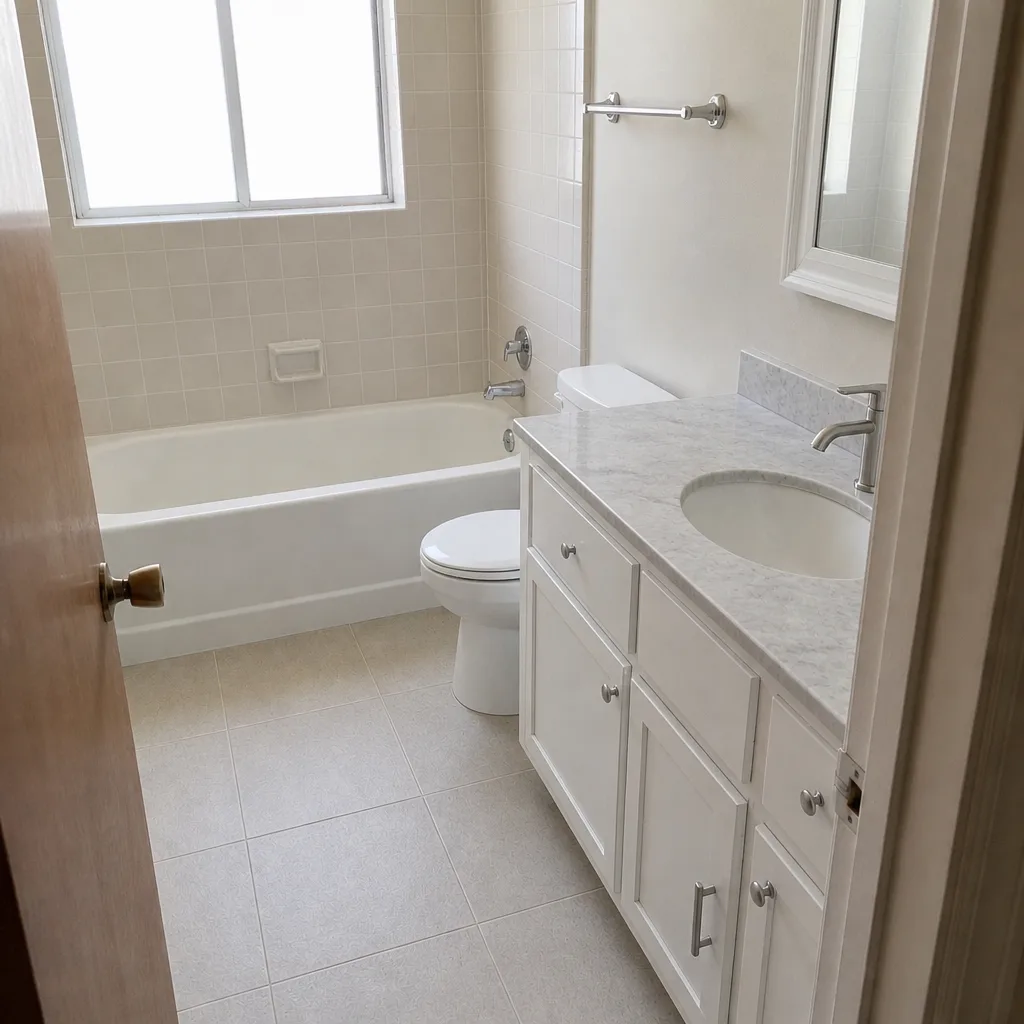
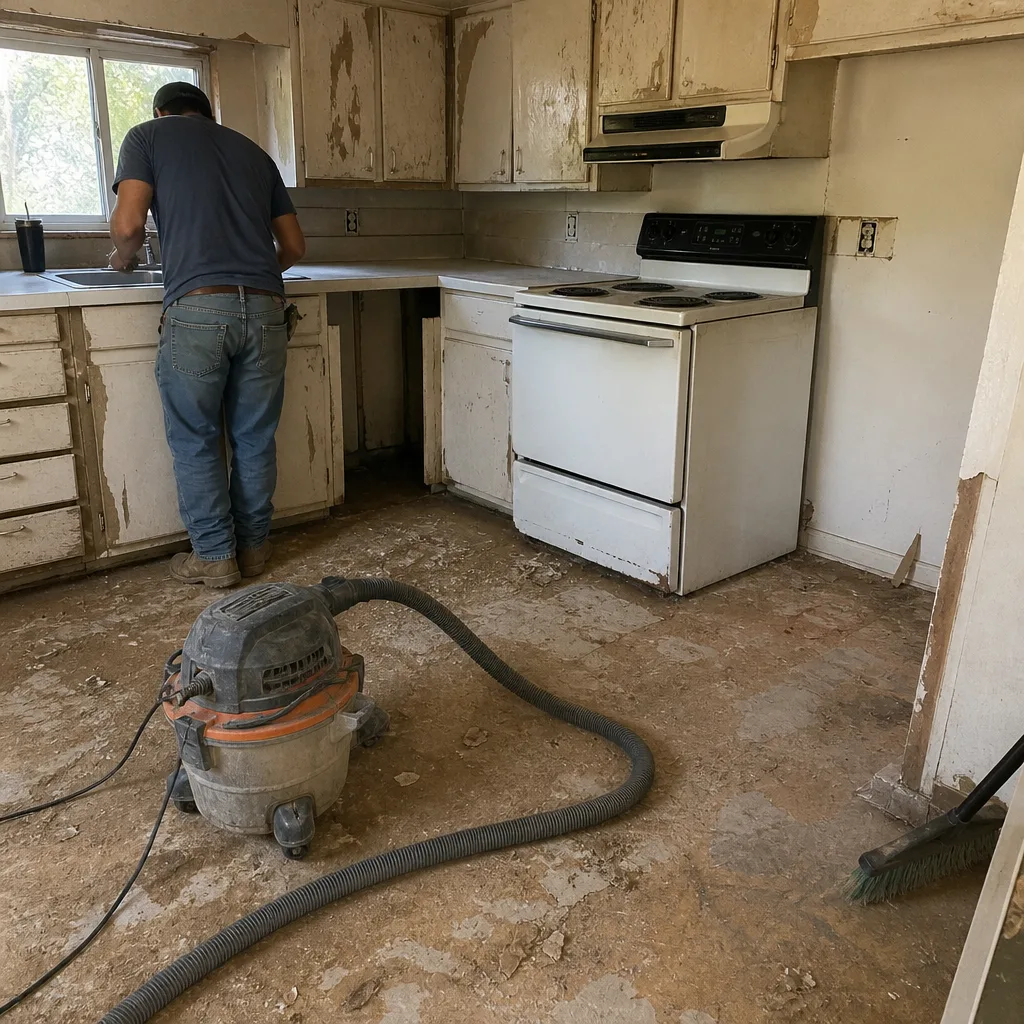
See the difference
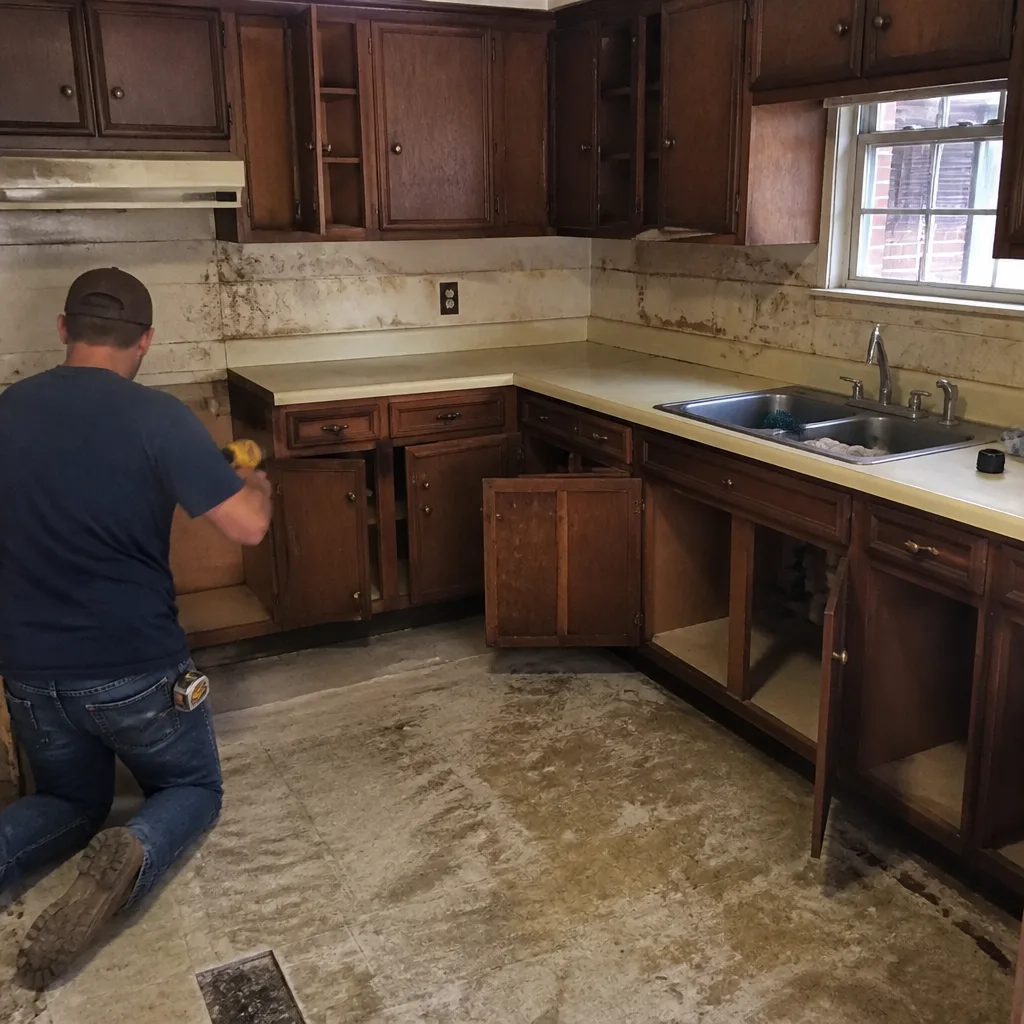 Before
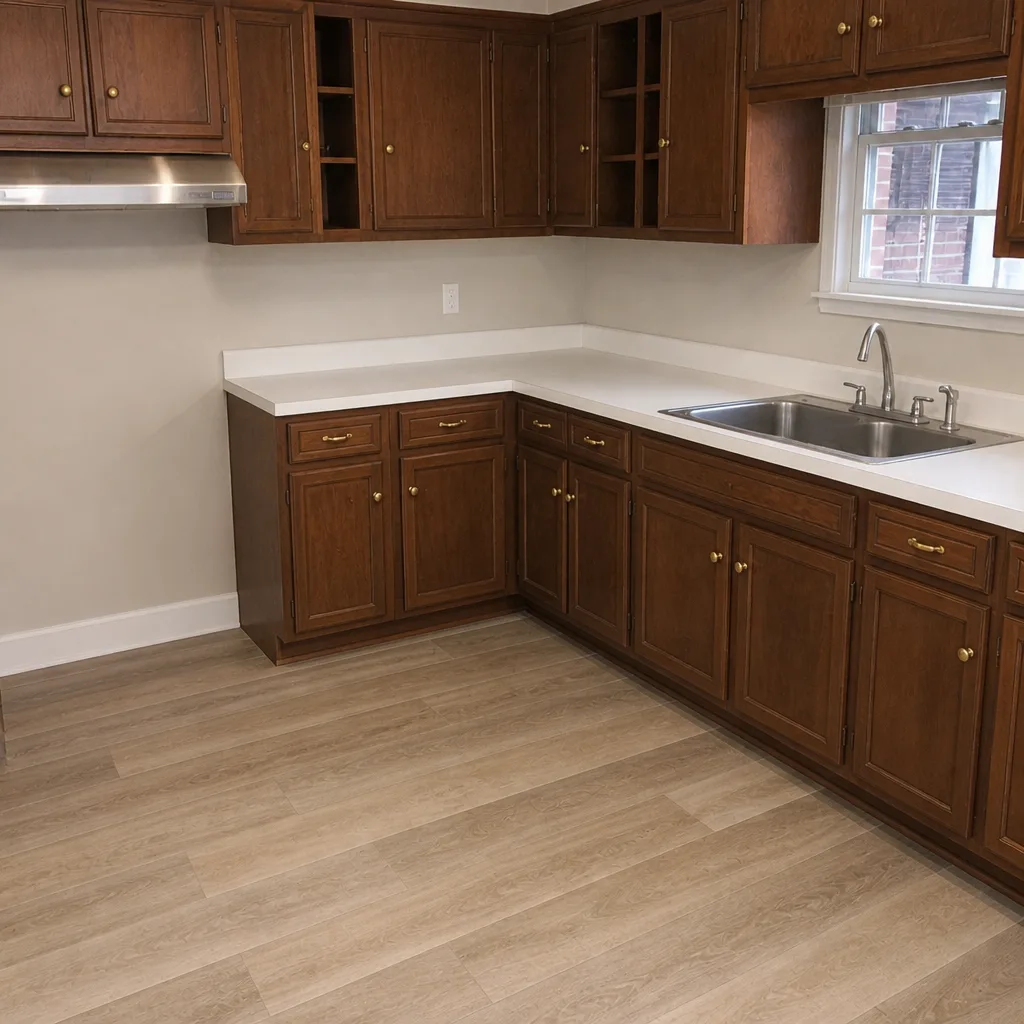 After
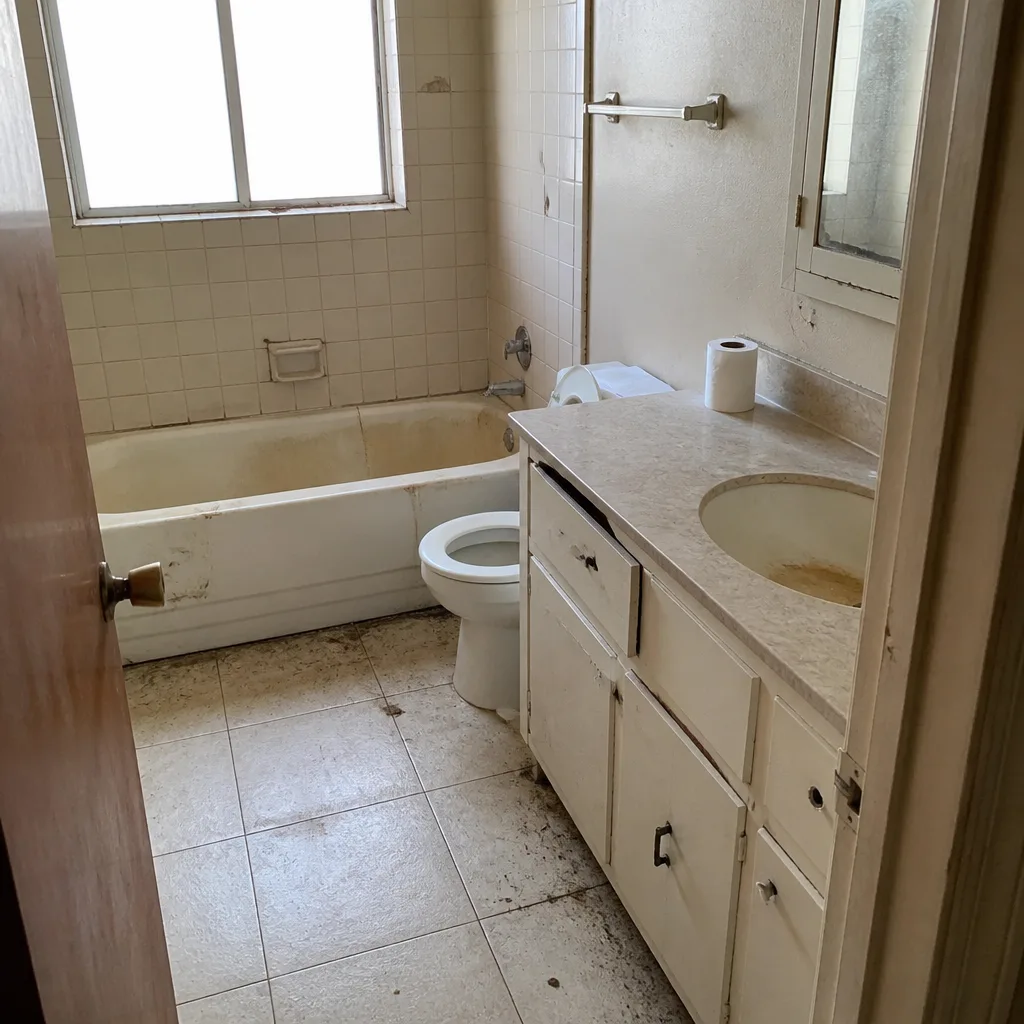 Before
 After
 Before
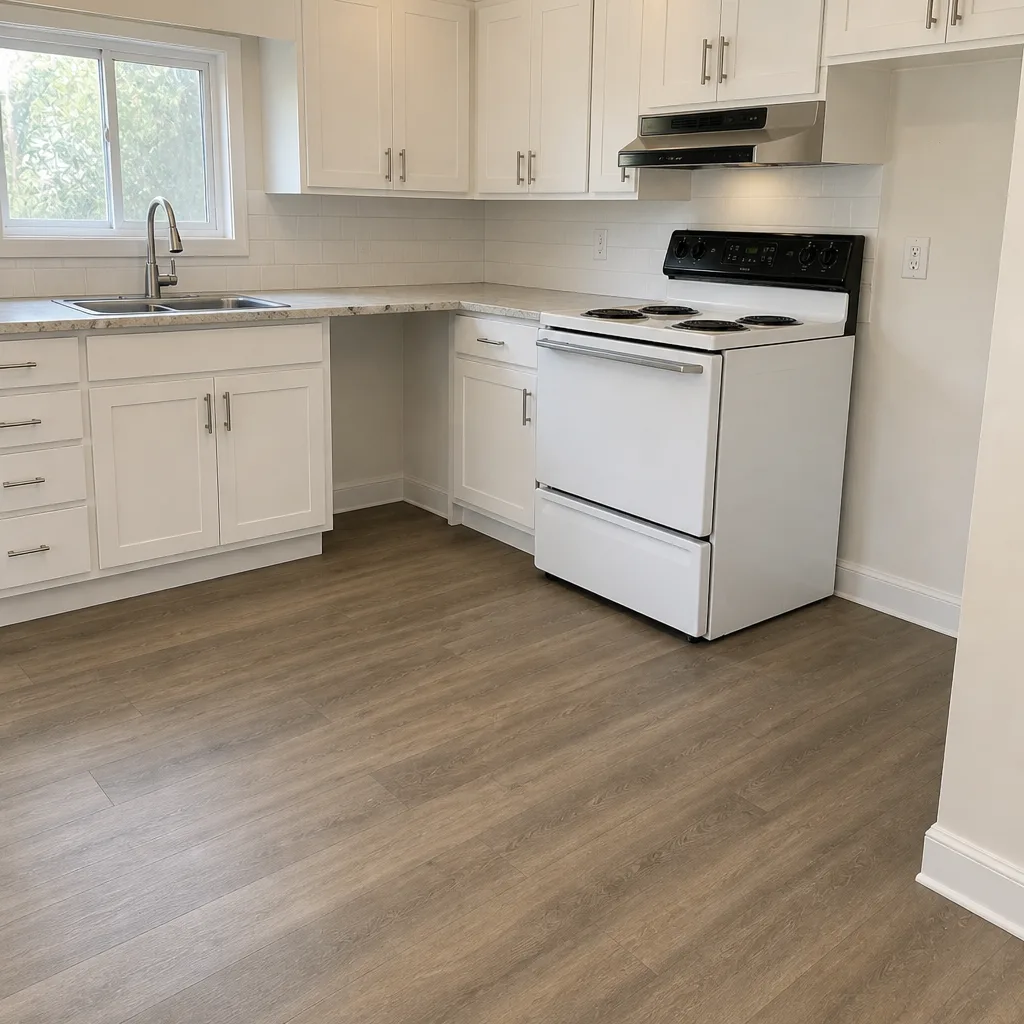 After
When to Call a Professional
Call a licensed professional when the project requires a permit, touches roofing, electrical, gas, plumbing, or structure, or changes the footprint of your home. That includes home additions, ADUs, structural changes, window and door replacements that alter the rough opening, and any roof work, whether it’s a full replacement or a patch after a hailstorm. Call if you’re unsure whether the work needs a permit. Call if you’re planning a project with an insurer’s involvement. And call if a previous homeowner left unpermitted work you’re now trying to sort out before a sale. Construction Grand Prairie offers free estimates in Grand Prairie; call (844) 771-4071. We answer 24/7. Fast dispatch from 7am to 7pm, Sunday through Friday.
Frequently Asked Questions
In most cases, no, and you shouldn’t. Roofing typically requires a permit and inspection, and manufacturer warranties on systems like GAF, CertainTeed, and Owens Corning depend on installation by an authorized installer. A DIY roof can also complicate an insurance claim after a hail event. Call (844) 771-4071 for a free estimate.
Interior painting, demo under a contractor’s direction, landscaping, cabinet hardware, and finish carpentry that touches no permit or warranty are generally safe DIY work. Anything requiring a permit, or touching roofing, structure, plumbing, gas, or electrical, should go to a licensed trade. If you’re unsure, call (844) 771-4071 and we’ll tell you which category your project falls into.
Yes. Texas requires sellers to disclose known material defects, and unpermitted work is a common source of inspection findings during a sale. Buyers and lenders can require corrections or refinancing delays. If you’re facing a sale with unpermitted work in place, call (844) 771-4071 for a free estimate on correcting it.
Sometimes. Demo, material sourcing, and finish work after the trades are done are the usual places where homeowner labor fits into a professional project. Electrical, gas, plumbing rough-in, roofing, and structural work should stay with the licensed trade. Call (844) 771-4071 to discuss where your labor can fit into a specific project.
Often, yes, especially on finishes. But the contractor’s warranty typically covers only what they installed, so mismatched or improperly spec’d materials become your responsibility. It’s better to choose materials through a licensed contractor who works with the brands you want. Call (844) 771-4071 for a free estimate on your project.
It depends on scope. A roof replacement, a window replacement, or a bathroom remodel runs on a very different schedule than a home addition or an ADU, which involves plan review, framing, and a full inspection sequence. The written estimate shows the timeline for your specific project. Call (844) 771-4071 to schedule your free estimate.
The Bottom Line
The DIY vs. professional question isn’t about whether you’re handy. It’s about which projects have zero margin for error in Grand Prairie’s permit, insurance, and resale environment. Cosmetics, demo, and finishes are yours to take on. Roofing, structure, electrical, gas, plumbing rough-in, additions, and ADUs need a licensed Texas professional, not just for the work quality but for the permit record and warranty that protect your investment. Hail makes roofing especially non-negotiable. For everything else, weigh the real remediation cost before you pick up a tool. If you’d like a straight answer on your specific project, we’re glad to give it.
Call (844) 771-4071 for a free estimate on your Grand Prairie construction project. We answer 24/7. Fast dispatch from 7am to 7pm, Sunday through Friday.
Written by the team at Construction Grand Prairie.